
What Is a Low Temperature Butterfly Valve?
A low temperature butterfly valve is a specially designed butterfly valve engineered to operate reliably in cold environments and low-temperature applications. Unlike standard butterfly valves, these valves use low-temperature-resistant materials, advanced sealing systems, and specially selected components to maintain reliable shut-off performance when exposed to freezing or cryogenic conditions.
Low temperatures can affect valve materials by causing brittleness, contraction, and reduced sealing flexibility. A properly designed low temperature butterfly valve addresses these challenges through suitable body materials, extended valve stems, cryogenic-compatible seats, and improved sealing structures.
These valves are widely used in industries such as LNG, liquefied gas processing, chemical storage, refrigeration systems, food processing, pharmaceutical manufacturing, marine systems, and cryogenic engineering.
Low temperature butterfly valves are available in different connection designs, including wafer, lug, and flanged butterfly valve configurations, depending on pipeline requirements.
How Does a Low Temperature Butterfly Valve Work?
A low temperature butterfly valve operates using the same quarter-turn principle as conventional butterfly valves. The valve disc rotates around a central shaft to control or isolate fluid flow.
Opening Process
- The operator or actuator rotates the valve shaft.
- The disc moves from the closed position toward the open position.
- The disc aligns with the pipeline direction.
- The fluid passes through the valve with minimal pressure loss.
Closing Process
The shaft rotates the disc back to the closed position, allowing the sealing surface to create a tight shut-off.
For cold service applications, the valve design must compensate for:
- Material contraction
- Reduced elasticity of sealing materials
- Frost formation
- Thermal stress
- Low-temperature embrittlement
Why Use a Low Temperature Butterfly Valve?
Standard butterfly valves may experience sealing failure or mechanical damage when exposed to extremely cold temperatures. A low temperature butterfly valve provides improved reliability through specialized design features.
Key advantages include:
- Excellent low-temperature resistance
- Reliable sealing in cold environments
- Reduced risk of material cracking
- Suitable for cryogenic applications
- Long service life
- Lightweight and compact structure
- Lower maintenance requirements
- Efficient flow control
- Compatibility with automated operation
These advantages make low temperature butterfly valves an economical choice for many cold-service applications.
Main Types of Low Temperature Butterfly Valves
Cryogenic Butterfly Valve
Cryogenic butterfly valves are designed for extremely low-temperature applications, including liquefied gases and cryogenic fluids.
Features
- Cryogenic-compatible materials
- Extended stem design
- Reliable sealing performance
- Suitable for LNG and liquid gas applications
Applications
- LNG terminals
- Oxygen and nitrogen systems
- Cryogenic storage tanks
Metal Seated Low Temperature Butterfly Valve
A metal seated butterfly valve uses metal sealing surfaces to provide durability in demanding temperature conditions.
Advantages
- Excellent temperature resistance
- High mechanical strength
- Suitable for harsh environments
- Reduced seat deformation
Applications
- Industrial gas systems
- Chemical processing
- Energy facilities
Soft Seated Low Temperature Butterfly Valve
Soft seated designs use specialized elastomers or polymers selected for cold environments.
Advantages
- Excellent sealing performance
- Lower operating torque
- Suitable for clean fluids
Applications
- Refrigeration systems
- Water systems
- General cold-service pipelines
Triple Offset Low Temperature Butterfly Valve
A triple offset butterfly valve minimizes contact between the disc and seat during operation.
Advantages
- Reduced friction
- Longer service life
- Excellent sealing performance
- Suitable for demanding temperature cycles
Applications
- LNG systems
- Oil and gas facilities
- Cryogenic process pipelines
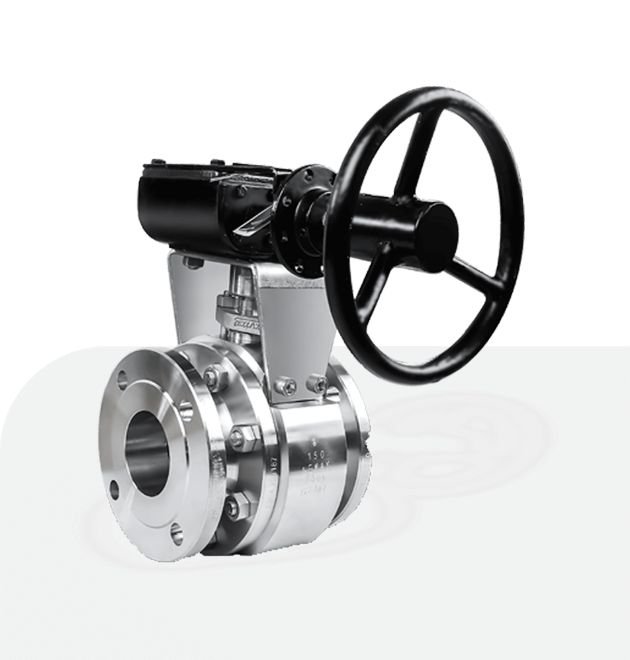
Flanged Low Temperature Butterfly Valve
A flanged butterfly valve design provides a strong bolted connection and is commonly selected for larger cold-service pipelines requiring mechanical stability.
Applications
- LNG transportation systems
- Chemical plants
- Industrial gas pipelines
Materials Used in Low Temperature Butterfly Valves
Material selection is critical for maintaining performance in cold environments.
| Component | Common Materials |
|---|---|
| Body | Stainless Steel, Carbon Steel, Low Temperature Carbon Steel |
| Disc | Stainless Steel, Duplex Steel, Aluminum Bronze |
| Shaft | Stainless Steel |
| Seat | PTFE, Modified PTFE, Low Temperature Elastomers |
| Seals | Cryogenic Grade Materials |
Materials must maintain toughness and mechanical strength even under extremely low temperatures.
Low Temperature Seat Materials
The sealing material directly affects valve performance.
| Seat Material | Typical Application |
| PTFE | Cryogenic and chemical applications |
| Modified PTFE | Improved low-temperature sealing |
| NBR Low Temperature Grade | Cold oil and gas applications |
| EPDM | Cold water applications |
| Metal Seat | Extreme temperature service |
For cryogenic applications, PTFE-based sealing materials are commonly selected because they maintain flexibility at low temperatures.
Temperature Range of Low Temperature Butterfly Valves
The operating temperature depends on valve construction and materials.
Typical applications include:
| Application Type | Temperature Condition |
| Cold Water Systems | Low-temperature industrial service |
| Refrigeration Systems | Below normal operating temperatures |
| LNG Applications | Cryogenic temperature conditions |
| Liquid Gas Systems | Extreme cold service |
The actual temperature rating should always be confirmed according to project requirements.
Industrial Applications
LNG and Natural Gas Industry
Low temperature butterfly valves are widely used in:
- LNG storage systems
- Gas processing plants
- Liquefied gas pipelines
Cryogenic Systems
Common applications include:
- Liquid oxygen systems
- Liquid nitrogen systems
- Laboratory gas systems
Chemical Industry
Used for:
- Low-temperature chemical transfer
- Storage systems
- Process pipelines
Refrigeration Systems
Applications include:
- Industrial cooling systems
- Cold storage facilities
- Refrigeration equipment
Food and Beverage Industry
Used in:
- Frozen food processing
- Cooling systems
- Temperature-controlled production lines
Marine and Offshore Applications
Installed in:
- LNG vessels
- Offshore gas systems
- Marine cooling systems
Low Temperature Butterfly Valve vs Standard Butterfly Valve
| Feature | Low Temperature Butterfly Valve | Standard Butterfly Valve |
| Temperature Capability | Cold and cryogenic service | Normal temperature service |
| Materials | Low-temperature resistant materials | Standard materials |
| Sealing System | Cryogenic compatible | General sealing |
| Application | LNG, refrigeration, gas systems | Water and utility systems |
| Cost | Higher | Lower |
Selecting the correct valve prevents leakage, cracking, and premature failure.
Low Temperature Butterfly Valve vs Cryogenic Ball Valve
| Feature | Low Temperature Butterfly Valve | Cryogenic Ball Valve |
| Design | Disc rotation | Ball rotation |
| Weight | Lighter | Heavier |
| Cost | Generally lower | Higher |
| Space Requirement | Compact | Larger |
| Application | Large pipelines | Critical shut-off systems |
Butterfly valves are often selected where lightweight construction and economical large-size solutions are required.
How to Choose the Right Low Temperature Butterfly Valve
When selecting a low temperature butterfly valve, consider:
- Minimum operating temperature
- Valve body material
- Seat material
- Media type
- Pressure rating
- Valve size
- Leakage requirements
- Connection type
- Manual or automated operation
- Applicable industry standards
For cryogenic applications, material testing and sealing performance are especially important.
Tip: For large cold-service pipelines requiring secure connections, consider our Flanged Butterfly Valve solutions for reliable industrial applications.
Actuation Options for Low Temperature Butterfly Valves
Low temperature butterfly valves can be equipped with different operators.
Manual Operation
Suitable for:
- Small valves
- Low-frequency operation
- Accessible locations
Gear Operation
Suitable for:
- Large valve sizes
- Higher torque requirements
Electric Actuation
Used for:
- Remote control systems
- Automated process lines
Pneumatic Actuation
Used for:
- Fast operation
- Industrial automation
Special actuator protection may be required for extremely cold environments.
Quality Standards and Certifications
Reliable low temperature butterfly valves are manufactured according to international standards, including:
- ISO 9001
- API 609
- API 598
- EN 593
- ASME B16.34
- ANSI standards
- CE certification
Cryogenic applications may also require additional testing for low-temperature performance and material toughness.
Frequently Asked Questions
What is a low temperature butterfly valve?
A low temperature butterfly valve is a specially designed valve that maintains reliable operation in cold and cryogenic environments through temperature-resistant materials and sealing systems.
What materials are used for low temperature butterfly valves?
Common materials include stainless steel, low-temperature carbon steel, PTFE seals, modified polymers, and cryogenic-grade components.
Where are low temperature butterfly valves used?
They are commonly used in LNG, cryogenic gas systems, refrigeration, chemical processing, marine, and industrial cooling applications.
Can a low temperature butterfly valve be automated?
Yes. These valves can be equipped with electric, pneumatic, or hydraulic actuators for automated operation.
Why are standard butterfly valves unsuitable for cryogenic applications?
Standard valves may experience material brittleness, sealing failure, and reduced performance when exposed to extremely low temperatures.
What is the best seat material for low temperature applications?
PTFE and modified PTFE materials are commonly preferred because they maintain sealing performance at very low temperatures.
Conclusion
A low temperature butterfly valve is an essential solution for industries requiring dependable flow control in cold and cryogenic environments. Through specialized materials, advanced sealing technologies, and optimized designs, these valves provide reliable performance where standard valves may fail.
From LNG facilities and chemical plants to refrigeration systems and marine applications, low temperature butterfly valves deliver efficient operation, excellent sealing, and long service life.
Whether selecting a wafer, lug, or flanged butterfly valve design, choosing the correct material combination, temperature rating, and actuator configuration ensures safe and reliable performance in demanding low-temperature applications.