
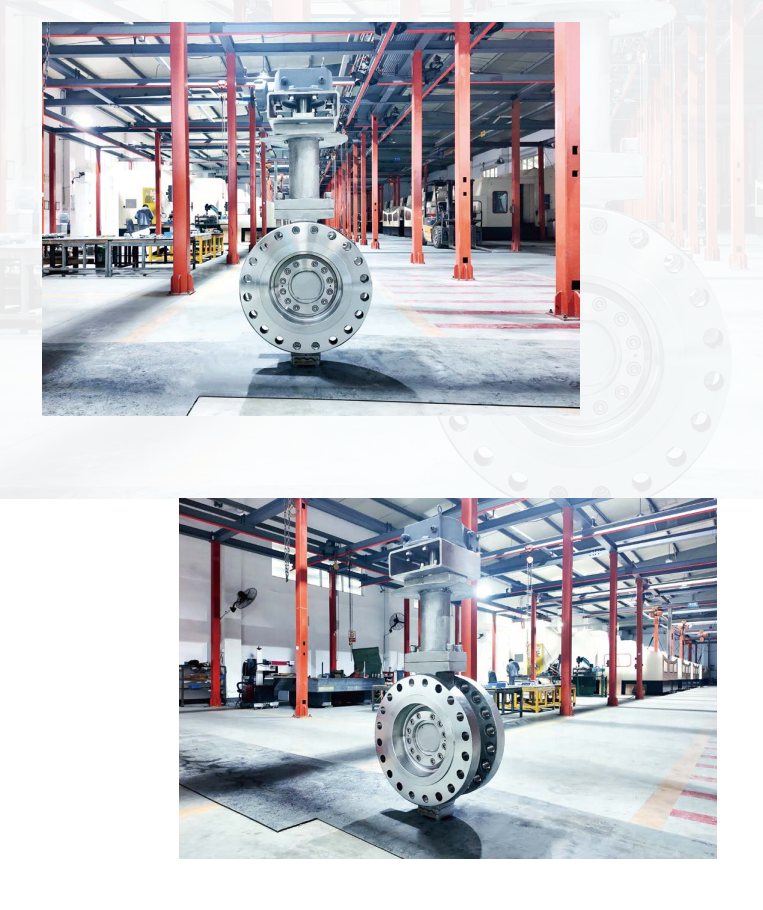
What Is a Cooling Water Butterfly Valve?
A cooling water butterfly valve is a specialized butterfly valve designed to control and isolate cooling water flow in industrial cooling systems. These valves are commonly installed in pipelines that circulate water for heat removal in power plants, manufacturing facilities, HVAC systems, data centers, chemical plants, and other industrial applications.
Cooling water systems require valves that can provide reliable shut-off, low pressure loss, corrosion resistance, and long-term operation under continuous flow conditions. Butterfly valves are widely preferred because they offer a compact structure, lightweight design, and excellent flow control performance compared with many traditional valve types.
A cooling water butterfly valve typically consists of a valve body, disc, shaft, seat, and operating mechanism. Depending on system requirements, it can be operated manually or equipped with electric, pneumatic, or hydraulic actuators.
For larger cooling water pipelines, a flanged butterfly valve design is often selected because it provides a strong and secure connection suitable for industrial applications.
How Does a Cooling Water Butterfly Valve Work?
A cooling water butterfly valve operates using a quarter-turn mechanism.
Opening Process
- The operator or actuator rotates the valve shaft.
- The disc turns approximately 90 degrees.
- The disc aligns with the pipeline flow direction.
- Cooling water passes through the valve with minimal resistance.
Closing Process
The shaft rotates the disc back until it reaches the closed position. The disc presses against the valve seat, stopping the cooling water flow.
Because cooling systems often operate continuously, the valve must provide dependable sealing and withstand frequent temperature changes.
Why Use Butterfly Valves in Cooling Water Systems?
Butterfly valves are one of the most common choices for cooling water applications because of their practical advantages.
Main Benefits
- Low pressure drop
- Compact and lightweight design
- Easy installation
- Low maintenance requirements
- Fast quarter-turn operation
- Suitable for large pipeline sizes
- Cost-effective compared with many alternatives
- Available with manual and automatic operation
- Excellent flow isolation performance
For industrial cooling systems, these advantages help reduce operating costs and improve system reliability.
Types of Cooling Water Butterfly Valves
Wafer Cooling Water Butterfly Valve
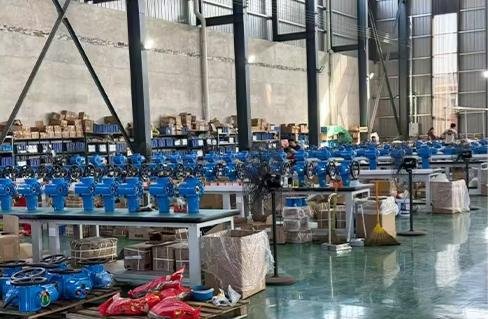
A wafer butterfly valve is installed between two pipeline flanges.
Advantages
- Compact design
- Lower weight
- Economical installation
- Suitable for general cooling systems
Applications
- HVAC cooling loops
- Water circulation systems
- Industrial utility pipelines
Lug Cooling Water Butterfly Valve
A lug butterfly valve includes threaded inserts around the valve body, allowing easier maintenance and pipeline isolation.
Advantages
- Suitable for end-of-line service
- Easy replacement and maintenance
- Improved installation flexibility
Applications
- Industrial cooling systems
- Pump stations
- Process water pipelines
Flanged Cooling Water Butterfly Valve
A flanged butterfly valve uses bolted flange connections to provide strong mechanical support.
Advantages
- High connection strength
- Suitable for large diameters
- Better pipeline stability
Applications
- Power plants
- Large cooling towers
- Industrial water systems
Electric Actuated Cooling Water Butterfly Valve
Electric actuated butterfly valves are used when automatic control is required.
Applications
- Automated cooling systems
- Central control rooms
- Large industrial facilities
Pneumatic Actuated Cooling Water Butterfly Valve
Pneumatic designs provide fast operation using compressed air.
Applications
- Manufacturing plants
- Process automation systems
- Frequent cycling applications
Materials Used in Cooling Water Butterfly Valves
Material selection is important because cooling water systems may contain minerals, chemicals, seawater, or treated water.
| Component | Common Materials |
|---|---|
| Body | Ductile Iron, Cast Iron, Carbon Steel, Stainless Steel |
| Disc | Stainless Steel, Ductile Iron, Aluminum Bronze |
| Shaft | Stainless Steel |
| Seat | EPDM, NBR, PTFE, Metal Seat |
Seat Material Selection for Cooling Water Applications
The seat determines sealing performance and service life.
| Seat Material | Application |
| EPDM | Fresh water, cooling water, HVAC systems |
| NBR | Oil-contaminated cooling systems |
| PTFE | Chemical-resistant cooling applications |
| Metal Seat | High-temperature cooling systems |
EPDM is one of the most commonly selected materials for cooling water butterfly valves because it provides excellent resistance to water and temperature variations.
Cooling Water Butterfly Valve Applications
Power Plants
Cooling water valves are widely used in:
- Condenser cooling systems
- Cooling tower pipelines
- Circulating water systems
- Auxiliary cooling equipment
Reliable valve operation is essential because cooling systems directly affect plant efficiency.
HVAC Systems
Common applications include:
- Chilled water systems
- Cooling loops
- Air conditioning plants
- Commercial building cooling networks
Data Centers
Cooling water systems in data centers require dependable valves for:
- Cooling equipment
- Chiller systems
- Heat exchanger pipelines
Chemical Plants
Used for:
- Process cooling systems
- Heat exchanger circuits
- Industrial water circulation
Marine and Offshore Systems
Cooling water butterfly valves are used in:
- Seawater cooling systems
- Ship engine cooling
- Offshore facilities
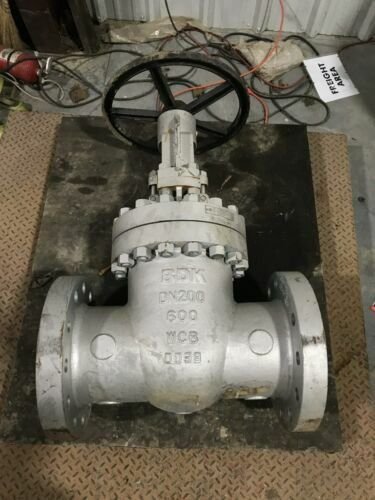
Cooling Water Butterfly Valve vs Gate Valve
| Feature | Butterfly Valve | Gate Valve |
| Design | Compact disc design | Rising gate design |
| Weight | Lightweight | Heavier |
| Installation Space | Less | More |
| Operation Speed | Faster | Slower |
| Large Size Cost | Lower | Higher |
Butterfly valves are often preferred for large cooling water pipelines because they require less space and provide economical operation.
Cooling Water Butterfly Valve vs Ball Valve
| Feature | Butterfly Valve | Ball Valve |
| Large Diameter Use | Excellent | More expensive |
| Weight | Lower | Higher |
| Flow Capacity | High | High |
| Cost | Lower for large sizes | Higher for large sizes |
For large cooling water systems, butterfly valves usually provide a more economical solution.
How to Choose the Right Cooling Water Butterfly Valve
When selecting a cooling water butterfly valve, consider:
- Cooling water temperature
- Pipeline size
- Operating pressure
- Water quality
- Corrosion conditions
- Valve body material
- Disc material
- Seat material
- Manual or automatic operation
- Connection type
For systems using seawater or chemically treated cooling water, corrosion-resistant materials should be selected.
Tip: For large industrial cooling pipelines requiring reliable bolted connections, consider our Flanged Butterfly Valve solutions for long-term performance.
Actuation Options for Cooling Water Butterfly Valves
Manual Operation
Suitable for:
- Small pipelines
- Infrequent operation
- Accessible installation locations
Gear Operation
Suitable for:
- Large valve sizes
- Higher torque requirements
Electric Actuation
Suitable for:
- Automated cooling systems
- Remote monitoring
Pneumatic Actuation
Suitable for:
- Fast response applications
- Industrial automation
Quality Standards and Certifications
High-quality cooling water butterfly valves are manufactured according to international standards, including:
- ISO 9001
- API 609
- API 598
- EN 593
- ANSI standards
- DIN standards
- CE certification
These standards help ensure reliable sealing, safe operation, and consistent product performance.
Frequently Asked Questions
What is a cooling water butterfly valve?
A butterfly valve is a valve designed to control and isolate cooling water flow in industrial cooling and circulation systems.
Why are butterfly valves used for cooling water systems?
They are widely used because they are lightweight, economical, easy to maintain, and suitable for large-diameter pipelines.
Which seat material is best for cooling water butterfly valves?
EPDM is commonly used because it provides excellent resistance to water, aging, and temperature changes.
Where are cooling water butterfly valves installed?
They are commonly used in power plants, HVAC systems, data centers, chemical plants, marine systems, and industrial facilities.
Can cooling water butterfly valves be automated?
Yes. They can be equipped with electric, pneumatic, or hydraulic actuators for automatic control.
What size cooling water butterfly valve should I choose?
The correct size depends on pipeline diameter, flow requirements, pressure rating, and system design conditions.
Conclusion
A butterfly valve is a reliable and economical solution for controlling water circulation in industrial cooling systems. Its compact structure, excellent flow performance, and wide range of material options make it suitable for power generation, HVAC, chemical processing, data centers, and marine applications.
Whether selecting a wafer, lug, or flanged butterfly valve design, choosing the correct valve materials, seat type, pressure rating, and actuator configuration ensures efficient cooling system operation and long service life.