
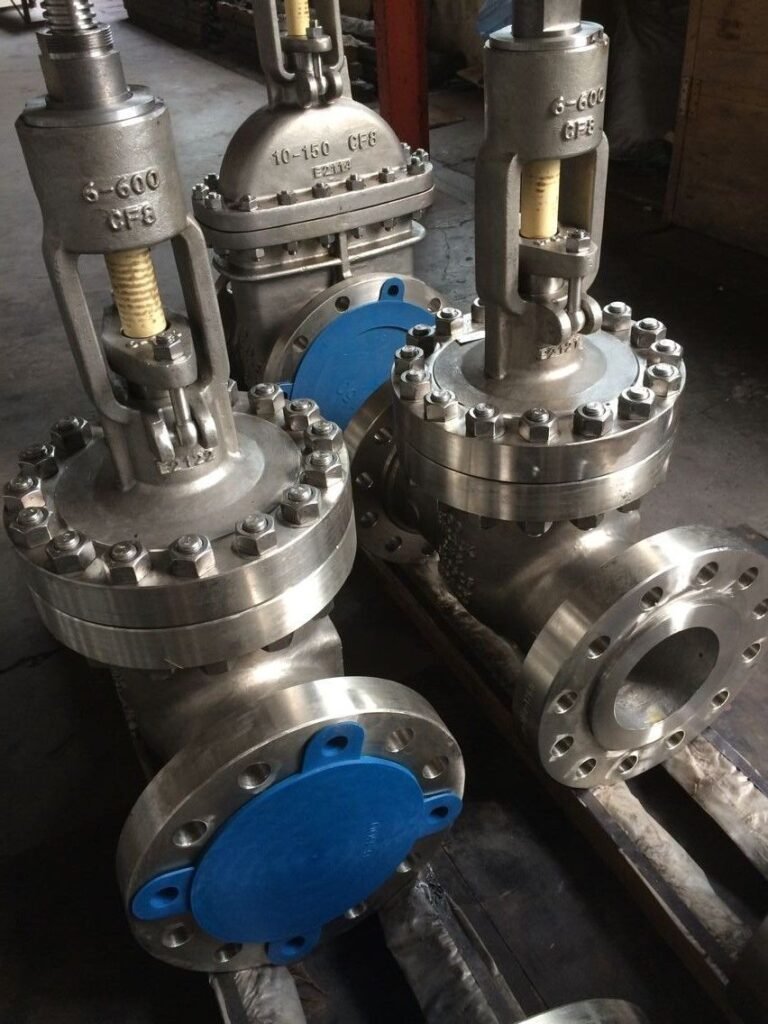
A butterfly valve is relatively simple in construction, but regular maintenance is still essential for reliable operation. A well-maintained valve can provide dependable isolation, reduce leakage, protect connected equipment, and extend the service life of the valve and actuator.
This butterfly valve maintenance checklist provides a practical approach for inspecting valve bodies, discs, seats, shafts, actuators, flange connections, and other critical components. It also explains maintenance intervals, common problems, inspection procedures, and when a valve should be repaired or replaced.
For industrial projects requiring flange-connected valves, you can also explore our flanged valve product range.
Why Is Butterfly Valve Maintenance Important?
Butterfly valves are used across water treatment, HVAC, chemical processing, power generation, oil and gas, desalination, and many other industries.
Over time, operating conditions can cause:
- Seat wear
- Disc corrosion
- Shaft wear
- Coating damage
- External leakage
- Internal leakage
- Increased operating torque
- Actuator problems
- Flange deterioration
- Foreign-material buildup
Some problems develop slowly and may not be obvious during normal operation. Regular inspection helps identify these issues before they become major failures.
Maintenance is especially important when valves operate frequently, handle corrosive or abrasive media, or are exposed to high temperature and pressure.
Butterfly Valve Maintenance Checklist: 9 Essential Steps
1. Perform a Visual Inspection
The first step is a basic visual inspection.
Check the:
- Valve body
- Disc
- Shaft area
- Seat
- Flanges
- Bolts and nuts
- Actuator
- Gearbox
- Protective coating
- Pipeline supports
Look for signs of:
- Corrosion
- Cracking
- Rust
- Paint or coating damage
- Fluid leakage
- Loose bolts
- Mechanical damage
A visual inspection is simple, but it can identify many developing problems.
What Should You Look For?
Pay particular attention to areas where moisture or chemicals can accumulate.
For outdoor installations, inspect exposed components for corrosion and weather-related deterioration.
For underground or poorly ventilated installations, check for moisture-related corrosion around accessible connections.
2. Check for External Leakage
External leakage is one of the clearest signs that a valve or connection needs attention.
Inspect:
- Flange connections
- Shaft seals
- Body joints
- Actuator connections
- Drain plugs
- Nearby pipe connections
If leakage is observed, don’t simply tighten everything as much as possible.
First determine the source.
Excessive tightening can damage gaskets, bolts, or valve components.
For a pressurized pipeline, appropriate isolation and depressurization procedures must be followed before attempting maintenance.
3. Inspect the Valve Seat
The seat is one of the most important components in a butterfly valve.
Depending on the design, the valve may use:
- EPDM
- NBR
- PTFE
- Other elastomers
- Metal seating systems
Inspect the seat for:
- Cracks
- Cuts
- Deformation
- Hardening
- Chemical damage
- Abrasion
- Excessive wear
Seat deterioration can cause internal leakage even when the disc appears to operate normally.
Soft Seat vs Metal Seat Maintenance
Soft seated valves may be more sensitive to:
- High temperature
- Abrasive particles
- Chemical incompatibility
- Mechanical damage
Metal seated butterfly valves may be more appropriate for certain high-temperature or severe-service applications, but their inspection requirements depend heavily on the valve design.
4. Inspect the Disc and Shaft
The disc is continuously exposed to the process medium, making it an important inspection point.
Check for:
- Corrosion
- Pitting
- Erosion
- Deposits
- Scratches
- Mechanical deformation
The shaft should also be checked for abnormal movement or excessive play.
If the disc is damaged, don’t assume the valve will continue to seal correctly.
Even relatively small surface defects can affect sealing performance depending on the valve design.
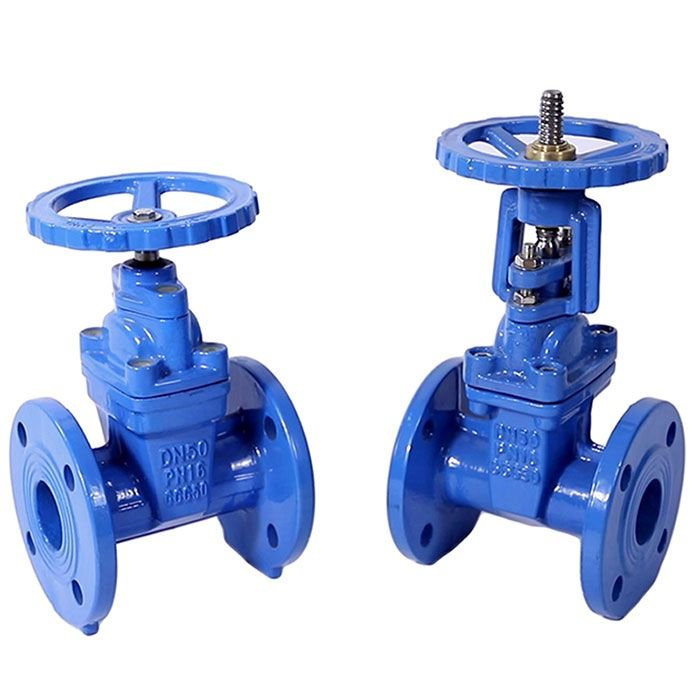
5. Check Operating Torque
An increase in operating torque can be an early warning sign.
If a valve that previously operated smoothly suddenly becomes difficult to turn, possible causes include:
- Seat deterioration
- Corrosion
- Foreign material
- Shaft problems
- Disc interference
- Excessive differential pressure
- Gearbox problems
- Actuator problems
Manual valves should operate smoothly within their intended operating conditions.
For automated valves, compare actual operating behavior with the manufacturer’s torque requirements where monitoring equipment is available.
A sudden increase in torque deserves investigation rather than simply installing a larger actuator.
6. Inspect the Actuator and Gearbox
Butterfly valves may use:
- Manual levers
- Gearboxes
- Electric actuators
- Pneumatic actuators
- Hydraulic actuators
The actuator should be inspected together with the valve.
Manual Operation
Check:
- Lever condition
- Locking mechanism
- Shaft connection
- Smooth operation
Gearbox
Check:
- Handwheel
- Gearbox housing
- Lubrication condition
- Mechanical damage
- Position indicator
Electric Actuator
Check:
- Electrical connections
- Limit switches
- Torque switches
- Position feedback
- Manual override
- Enclosure condition
Pneumatic Actuator
Check:
- Air supply
- Tubing
- Connections
- Solenoid valve
- Cylinder condition
- Position feedback
The actuator should be operated according to the manufacturer’s instructions and applicable safety procedures.
7. Check Bolts, Flanges, and Pipe Connections
Flange connections should be inspected periodically.
Check for:
- Loose bolts
- Corrosion
- Damaged threads
- Gasket leakage
- Flange damage
- Pipe movement
Don’t automatically retighten flange bolts without determining whether there is an actual problem.
If the valve must be disconnected, the pipeline should be properly isolated and depressurized first.
The replacement gasket and bolt arrangement should comply with the applicable valve and flange specifications.
8. Operate the Valve Periodically
A valve that never moves can develop problems just like a valve that operates too frequently.
For valves used primarily for isolation, periodic operation can help verify that:
- The disc moves freely
- The actuator works
- The valve reaches its end positions
- There is no abnormal resistance
- The position indicator works correctly
The frequency should be based on the manufacturer’s recommendations, operating environment, safety requirements, and facility maintenance program.
For critical isolation valves, the facility should have a documented inspection and functional-testing procedure.
9. Record Maintenance Results
Good maintenance isn’t just about inspecting the valve. It’s also about recording what was found.
A useful maintenance record should include:
| Item | Information |
|---|---|
| Valve tag | Equipment identification |
| Valve size | DN/NPS |
| Valve type | Wafer/lug/flanged/offset |
| Service | Water, air, chemical, etc. |
| Inspection date | Date |
| Operating condition | Open/closed/partial |
| Leakage | Yes/No |
| Corrosion | Condition |
| Seat condition | Condition |
| Actuator condition | Condition |
| Operating torque | If available |
| Maintenance performed | Details |
| Next inspection | Planned date |
Historical records make it much easier to identify gradual deterioration.
Butterfly Valve Maintenance Schedule
There isn’t one universal maintenance interval for every butterfly valve.
The appropriate frequency depends on:
- Fluid
- Temperature
- Pressure
- Valve size
- Operating frequency
- Corrosiveness
- Abrasiveness
- Outdoor exposure
- Safety requirements
- Manufacturer recommendations
A practical framework is:
| Inspection | Typical Focus |
|---|---|
| Routine visual check | Leakage, corrosion, external condition |
| Periodic functional check | Opening/closing operation |
| Scheduled maintenance | Seat, shaft, actuator, gearbox |
| Detailed inspection | Internal components and wear |
| Overhaul | Replacement of worn components |
The actual interval should be established by the equipment manufacturer and facility maintenance program rather than applying an arbitrary calendar period to every installation.
Butterfly Valve Maintenance for Water Systems
Butterfly valves used in water systems are often exposed to relatively clean fluids, but maintenance is still important.
Typical applications include:
- Drinking water
- Cooling water
- Irrigation
- Wastewater
- Fire protection
- Water treatment
Common inspection points include:
- Seat condition
- Disc corrosion
- Shaft operation
- Flange leakage
- Actuator operation
Wastewater systems may require more frequent inspection because solids and debris can interfere with valve operation.
Butterfly Valve Maintenance for Desalination Systems
Seawater is significantly more demanding than ordinary freshwater.
Chlorides can accelerate corrosion, especially when unsuitable materials or coatings are used.
During maintenance, inspect:
- Disc surface
- Shaft
- Body coating
- Fasteners
- Seat
- Flange connections
- Actuator components
For desalination systems, material compatibility should be reviewed carefully.
Duplex stainless steel, super duplex stainless steel, aluminum bronze, and specialized coatings may be used depending on the application.
Butterfly Valve Maintenance for High-Temperature Service
High-temperature applications require special attention to seat and sealing materials.
Potential problems include:
- Seat hardening
- Thermal expansion
- Seal deterioration
- Increased operating torque
- Coating damage
- Metal deformation
For high-temperature applications, follow the manufacturer’s temperature limits and maintenance instructions closely.
Triple offset butterfly valves with metal seats may be selected for certain high-temperature services, but maintenance requirements still depend on the exact design and process conditions.
How to Troubleshoot Butterfly Valve Problems
Problem: Valve Is Difficult to Operate
Possible causes:
- Foreign material
- Seat damage
- Shaft corrosion
- Excessive differential pressure
- Gearbox problems
- Actuator malfunction
Recommended action: Identify the source of increased resistance before changing the actuator.
Problem: Valve Is Leaking When Closed
Possible causes:
- Damaged seat
- Disc damage
- Debris between disc and seat
- Incorrect valve position
- Excessive wear
- Incorrect actuator setting
Recommended action: Check valve position and inspect the sealing surfaces where safe and practical.
Problem: External Leakage Around Shaft
Possible causes:
- Damaged shaft seal
- Worn components
- Excessive shaft movement
- Incorrect assembly
Recommended action: Follow the manufacturer’s seal inspection or replacement procedure.
Problem: Actuator Doesn’t Reach Full Open or Closed Position
Possible causes:
- Incorrect limit-switch adjustment
- Incorrect actuator installation
- Mechanical obstruction
- Insufficient torque
- Damaged actuator
Recommended action: Check the valve and actuator independently before changing settings.
When Should a Butterfly Valve Be Replaced?
Repair isn’t always the best option.
Consider replacement when:
- The valve body is seriously corroded
- The disc is badly damaged
- The shaft is severely worn
- The seat cannot be reliably restored
- Replacement parts are unavailable
- The valve no longer meets the required pressure rating
- Repeated repairs don’t solve the problem
- The valve is unsuitable for the current service
For critical systems, replacement should be based on engineering assessment rather than simply the age of the valve.
Butterfly Valve Maintenance Checklist for Technicians
The following checklist can be printed or incorporated into a maintenance management system.
| Inspection Point | OK | Action Required |
|---|---|---|
| Valve body | ☐ | ☐ |
| Disc | ☐ | ☐ |
| Seat | ☐ | ☐ |
| Shaft | ☐ | ☐ |
| External leakage | ☐ | ☐ |
| Flange bolts | ☐ | ☐ |
| Flange connection | ☐ | ☐ |
| Gearbox | ☐ | ☐ |
| Electric actuator | ☐ | ☐ |
| Pneumatic actuator | ☐ | ☐ |
| Position indicator | ☐ | ☐ |
| Opening operation | ☐ | ☐ |
| Closing operation | ☐ | ☐ |
| Corrosion protection | ☐ | ☐ |
| Internal leakage | ☐ | ☐ |
| Maintenance records | ☐ | ☐ |
Should Butterfly Valves Be Lubricated?
Not every butterfly valve requires the same lubrication procedure.
Some valve shafts, bearings, and gearboxes may require lubrication, while certain sealed or maintenance-free components aren’t intended to be lubricated by the user.
Before applying grease or lubricant, check:
- Manufacturer instructions
- Lubricant compatibility
- Temperature range
- Seal material
- Food/water-contact requirements
- Actuator requirements
Using the wrong lubricant can damage elastomers or contaminate the process.
For this reason, don’t treat lubrication as a universal butterfly valve maintenance step.
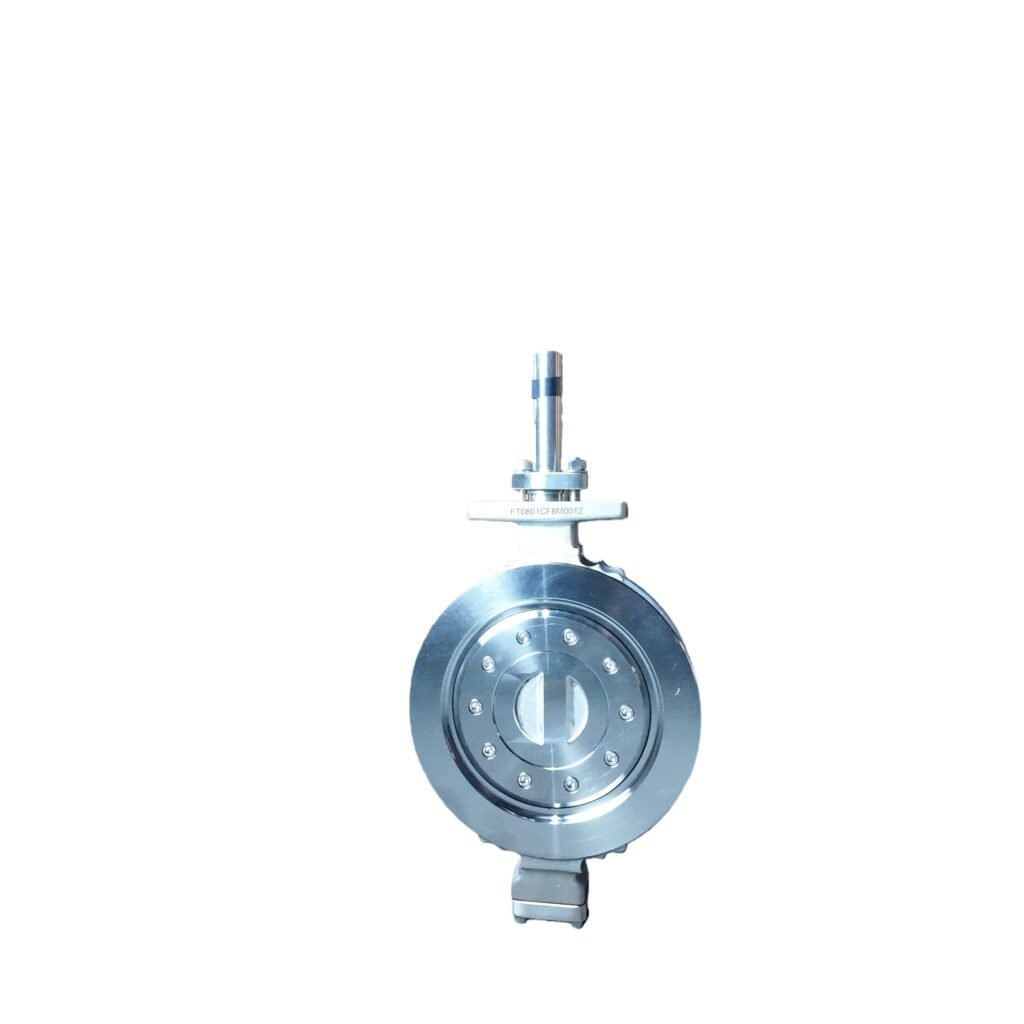
How to Extend Butterfly Valve Service Life
Several simple practices can improve valve reliability.
Use the Correct Valve for the Application
Check pressure, temperature, fluid compatibility, and materials before installation.
Avoid Unnecessary Throttling
A valve designed primarily for isolation shouldn’t automatically be used as a continuous control valve.
Keep the Pipeline Clean
Foreign particles can damage seats and sealing surfaces.
Monitor Operating Torque
Changes in torque can provide an early indication of mechanical problems.
Protect Against Corrosion
Inspect coatings, exposed surfaces, and fasteners regularly.
Maintain Actuators
A healthy valve can still fail if its actuator isn’t maintained properly.
Keep Accurate Records
Historical data helps identify recurring problems and plan preventive maintenance.
Frequently Asked Questions
How often should a butterfly valve be maintained?
There is no universal interval. Maintenance frequency depends on the valve design, fluid, pressure, temperature, operating frequency, environment, and manufacturer’s recommendations.
What should be included in a butterfly valve maintenance checklist?
At minimum, inspect the body, disc, seat, shaft, flange connections, actuator, gearbox, leakage, corrosion, operating condition, and position indicators.
How do I know if a butterfly valve seat needs replacement?
Signs may include persistent internal leakage, visible cracks or deformation, excessive wear, chemical damage, or failure to achieve the required shut-off performance.
Why is my butterfly valve becoming difficult to operate?
Possible causes include foreign material, seat damage, corrosion, excessive differential pressure, shaft problems, gearbox failure, or actuator issues.
Do butterfly valves need regular lubrication?
Not necessarily. Lubrication requirements vary by valve and actuator design. Always follow the manufacturer’s maintenance instructions and use compatible lubricants.
How do I maintain a butterfly valve actuator?
Inspect the actuator housing, connections, position indicators, limit switches, torque settings, air supply or electrical connections, and mechanical operation according to the actuator manufacturer’s instructions.
Can a leaking butterfly valve be repaired?
Sometimes. A damaged seat, seal, or other replaceable component may be repairable. Severe body, disc, or shaft damage may make complete valve replacement more practical.
What is the most common butterfly valve maintenance problem?
Seat wear, leakage, corrosion, increased operating torque, and actuator problems are common issues, but the dominant problem depends on the application and service conditions.
Should butterfly valves be operated periodically?
For valves that remain stationary for long periods, periodic functional testing can help identify mechanical or actuator problems before the valve is needed in an emergency. The testing interval should follow the facility’s maintenance program and applicable requirements.
Conclusion
A butterfly valve maintenance checklist provides a practical way to keep valves reliable and identify problems before they cause unexpected downtime. Regular inspection should cover the valve body, disc, seat, shaft, flange connections, actuator, leakage, corrosion, and operating performance.
The most effective maintenance strategy isn’t simply replacing parts on a fixed schedule. Instead, it combines routine inspection, functional testing, condition monitoring, accurate records, and manufacturer recommendations.
For water, wastewater, desalination, chemical, and industrial applications, maintenance requirements can vary considerably. By matching the maintenance program to the actual operating conditions, facilities can reduce unexpected failures while extending butterfly valve service life.