
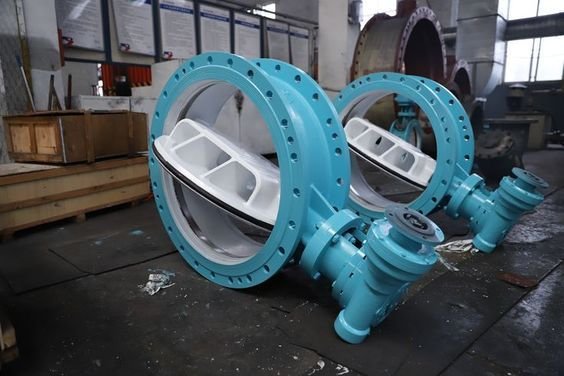
EPC contractors work under demanding project conditions. Engineering, procurement, and construction teams must coordinate technical specifications, supplier qualification, documentation, manufacturing, inspection, logistics, and site requirements while keeping the project on schedule.
For this reason, valve solutions for EPC contractors need to go beyond simply supplying valves. A reliable valve supplier should understand project specifications, respond quickly to technical questions, provide accurate documentation, maintain consistent quality, and support delivery from quotation through commissioning.
Butterfly valves, gate valves, globe valves, check valves, and other industrial valves may appear to be standard components, but their correct selection can have a major effect on pipeline reliability and project performance.
For EPC contractors handling water treatment, oil and gas, chemical processing, power, HVAC, desalination, and other industrial projects, the right valve supply strategy can reduce procurement risk and simplify project execution.
For projects requiring flanged connections, you can also explore our flanged valve product range.
Why EPC Contractors Need More Than a Standard Valve Supplier
An EPC project usually involves multiple stages:
- Engineering
- Technical specification
- Vendor selection
- Procurement
- Manufacturing
- Inspection and testing
- Documentation
- Shipment
- Site installation
- Commissioning
A valve supplier may become involved at several of these stages.
A supplier that only provides a commercial quotation may leave the EPC contractor responsible for solving technical and documentation issues later.
A stronger supplier relationship can help address:
- Technical clarification
- Valve selection
- Material selection
- Actuator sizing
- Pressure ratings
- Connection standards
- Inspection requirements
- Documentation
- Delivery planning
- After-sales support
That’s where a project-oriented valve supply approach becomes valuable.
1. Valve Selection Based on Project Specifications
The first priority is selecting valves that actually meet the project requirements.
EPC specifications may define:
- Valve type
- Nominal size
- Pressure class
- End connection
- Body material
- Disc material
- Seat material
- Temperature range
- Pressure range
- Leakage requirements
- Testing standards
- Coating requirements
- Actuator requirements
A supplier should review these requirements before confirming the valve configuration.
For example, a butterfly valve for cooling water may use a different seat and material combination from a valve designed for corrosive chemical service.
A good technical review can identify specification conflicts before production begins.
2. Complete Valve Solutions for Different Applications
EPC projects rarely require only one valve type.
A single project may need:
| Valve Type | Typical Function |
|---|---|
| Butterfly valve | Isolation and flow regulation |
| Gate valve | Isolation |
| Globe valve | Flow regulation |
| Check valve | Backflow prevention |
| Ball valve | Tight shut-off |
| Plug valve | Isolation and selected process applications |
The supplier should understand how these valves fit into the overall piping system.
For example, butterfly valves can be attractive for large-diameter pipelines because of their compact design and relatively low weight. Gate valves may be preferred for certain isolation duties where a straight-through flow path is required when fully open.
The best solution depends on the process rather than simply the valve’s purchase price.
3. Engineering Support for EPC Projects
Technical support can make a major difference during the engineering stage.
An experienced valve supplier should be able to help with questions such as:
- Which valve design is appropriate?
- Is the selected body material compatible with the fluid?
- Which seat material should be used?
- Is PN16 sufficient?
- Should the valve be wafer, lug, or flanged?
- Is manual operation practical?
- What actuator torque is required?
- What testing is required?
- Are special coatings necessary?
This support can reduce repeated technical clarification between the EPC contractor, end user, and valve manufacturer.

Technical Review Before Production
A pre-production technical review should ideally confirm:
- Valve datasheet
- Drawings
- Bill of materials
- Applicable standards
- Pressure rating
- Dimensions
- Actuator specifications
- Testing requirements
- Special project requirements
Getting these details right early is much easier than correcting them after manufacturing.
4. Customized Valve Solutions for Special Requirements
Not every EPC project can use a standard catalog configuration.
Projects may require:
- Special body materials
- Special disc coatings
- Non-standard dimensions
- Customized actuators
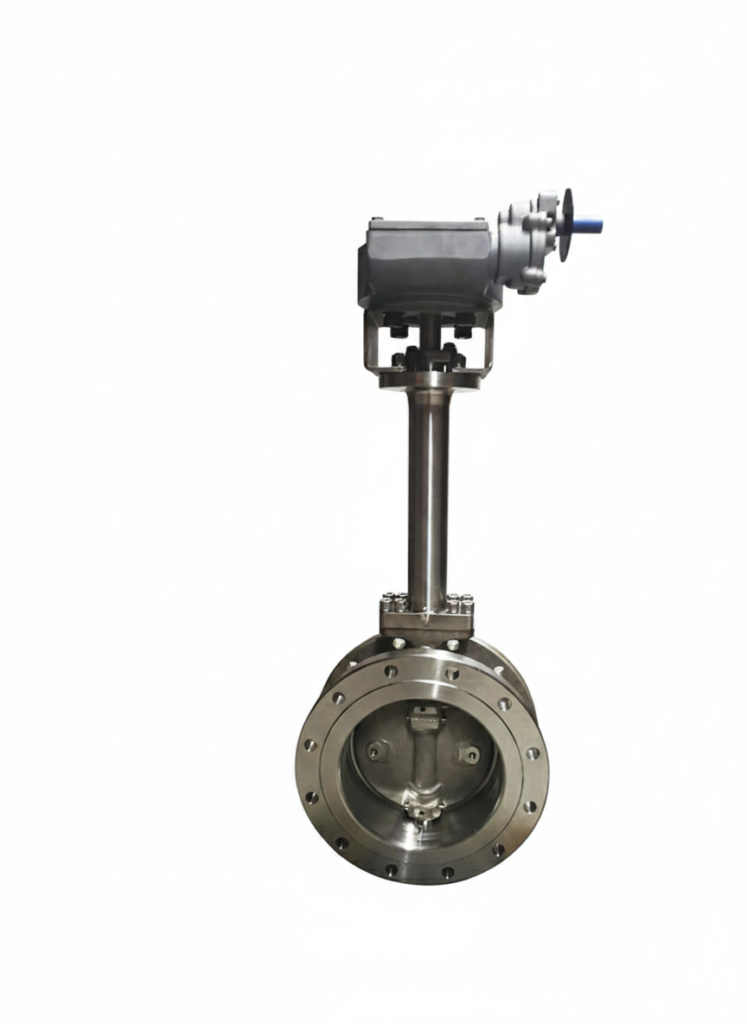
- Extended stems
- Special seat compounds
- Special flange standards
- Position indicators
- Limit switches
- Locking devices
- Special painting systems
A capable supplier should be able to review these requirements and determine whether they can be manufactured reliably.
Customization should always be controlled through approved drawings and technical documentation.
That helps prevent misunderstandings between the EPC contractor and supplier.
5. Quality Control and Inspection
Valve quality is particularly important for EPC projects because a defective valve can cause more than a simple product replacement.
It can lead to:
- Installation delays
- Rework
- Additional transportation
- Site labor costs
- Commissioning delays
- Project schedule problems
Quality control should therefore be integrated into the manufacturing process.
Typical inspection activities may include:
Material Inspection
Verification of material grade and relevant certificates.
Dimensional Inspection
Checking:
- Face-to-face dimensions
- Flange dimensions
- Bore dimensions
- Overall dimensions
Pressure Testing
Depending on the valve and applicable standard, testing may include shell and seat tests.
Functional Testing
For actuated valves, verify opening, closing, travel, and relevant actuator functions.
Visual Inspection
Check:
- Surface condition
- Coating
- Marking
- Assembly
- General workmanship
The exact inspection plan should follow the project specification and applicable standards.
6. EPC Valve Documentation Packages
Documentation is often just as important as the physical valve.
EPC contractors may require a complete documentation package for project handover.
Depending on project requirements, this can include:
- Commercial invoice
- Packing list
- Valve datasheet
- General arrangement drawing
- Material certificates
- Pressure test reports
- Inspection reports
- Certificate of conformity
- Quality certificates
- Actuator documentation
- Operation and maintenance manuals
- Coating reports
- Calibration certificates
- Packing and marking information
A supplier should understand the required documentation before production rather than treating paperwork as an afterthought.
7. Traceability for Project Valve Procurement
Traceability is especially important for large EPC projects involving many valve sizes and specifications.
Each valve should be identifiable through appropriate markings and documentation.
Typical identification information can include:
- Valve size
- Pressure rating
- Material
- Manufacturer
- Serial number
- Heat number where applicable
- Flow direction where required
- Product identification
Good traceability makes it easier to connect a valve installed at the project site with its manufacturing and inspection records.
This is particularly valuable during commissioning and future maintenance.
8. Reliable Delivery for EPC Projects
Even technically perfect valves aren’t useful if they arrive after the installation window.
EPC contractors often work according to strict procurement schedules.
A valve supplier should therefore coordinate:
- Production schedule
- Inspection date
- Packing
- Shipping
- Export documentation
- Delivery schedule
- Partial shipments when required
For large projects, delivery may need to be divided into multiple batches according to the construction schedule.
Lead-Time Management
Before accepting an order, the supplier should confirm realistic manufacturing and delivery lead times.
It’s better to provide an accurate schedule upfront than promise an unrealistic delivery date and create problems later.
9. Packaging and Export Requirements
Industrial valves may travel long distances before reaching the project site.
Proper export packaging protects against:
- Moisture
- Corrosion
- Mechanical impact
- Contamination
- Incorrect handling
Packaging should also make valve identification easy.
For EPC shipments, useful information can include:
- Project name
- Purchase order number
- Tag number
- Valve size
- Valve type
- Quantity
- Destination
- Package number
This can make receiving and site inventory much easier.
Valve Solutions for EPC Contractors: A Procurement Workflow
A structured procurement process can reduce mistakes.
Stage 1: RFQ
EPC contractor sends:
- Valve list
- Datasheets
- Specifications
- Quantity
- Required delivery date
- Inspection requirements
Stage 2: Technical Review
Supplier reviews:
- Materials
- Pressure ratings
- Standards
- Actuation
- Special requirements
Stage 3: Technical Clarification
Any discrepancies are identified and resolved.
Stage 4: Commercial Quotation
Supplier provides:
- Unit price
- Total price
- Lead time
- Payment terms
- Delivery terms
- Warranty information
Stage 5: Order Confirmation
Final technical and commercial details are confirmed.
Stage 6: Manufacturing
Production begins according to approved requirements.
Stage 7: Inspection and Testing
Required inspections and tests are completed.
Stage 8: Documentation
The final documentation package is prepared.
Stage 9: Packing and Shipment
Valves are packed, identified, and shipped.
Stage 10: Site Support
Technical clarification and after-sales support are provided when needed.
How to Reduce EPC Valve Procurement Risks
Several common procurement mistakes can be avoided through better planning.
Don’t Compare Price Alone
The lowest quotation may not be the lowest total project cost.
Consider:
- Valve quality
- Documentation
- Lead time
- Inspection
- Warranty
- Spare parts
- Technical support
- Logistics
Confirm Specifications Early
A small difference in material, pressure rating, or connection standard can become expensive after manufacturing.
Use Approved Drawings
For customized valves, approved drawings reduce the risk of manufacturing the wrong configuration.
Maintain Revision Control
EPC projects often have changing documents.
The supplier should clearly track:
- Drawing revision
- Datasheet revision
- Specification revision
- Purchase order revision
This prevents outdated information from being used during production.
Valve Material Selection for EPC Projects
Material selection should be based on the process environment.
| Service | Potential Material Considerations |
|---|---|
| Clean water | Ductile iron, suitable stainless steel, appropriate elastomers |
| Wastewater | Corrosion and abrasion resistance |
| Seawater | Suitable corrosion-resistant materials |
| Oil | Compatible body and seat materials |
| Chemicals | Chemical compatibility |
| High temperature | Temperature-resistant materials and sealing |
| General industrial | Carbon steel, ductile iron, stainless steel depending on conditions |
These are general guidelines only. Actual project specifications and process data should control the final selection.
Actuated Valve Solutions for EPC Contractors
Automation is increasingly important in industrial projects.
A supplier may need to provide complete valve and actuator assemblies.
Electric Actuated Valves
Useful for:
- Remote control
- Automated isolation
- Process systems
- HVAC
- Water treatment
Pneumatic Actuated Valves
Common in industrial automation where compressed air is available.
They can provide rapid operation and can be configured for:
- On/off control
- Fail-open
- Fail-closed
- Modulating applications
Hydraulic Actuated Valves
Can be considered for applications requiring high operating forces or specialized hydraulic systems.
A complete actuator package should consider:
- Valve torque
- Safety factor
- Operating pressure
- Travel
- Control signal
- Environmental conditions
- Fail position
- Accessories
EPC Valve Supplier Qualification Checklist
Before selecting a valve supplier, EPC contractors can evaluate:
- Relevant valve manufacturing experience
- Product range
- Technical engineering capability
- Quality management system
- Material traceability
- Pressure testing capability
- Inspection support
- Documentation capability
- Customization capability
- Actuator integration
- Export experience
- Production capacity
- Lead-time reliability
- After-sales support
- Spare parts availability
A supplier that performs well across these areas can reduce procurement risk throughout the project lifecycle.
How a Project-Oriented Valve Supplier Adds Value
The best supplier relationship isn’t simply:
EPC contractor → Purchase order → Supplier → Shipment
A more effective model is:
Project requirements → Technical review → Valve selection → Engineering confirmation → Manufacturing → Inspection → Documentation → Delivery → Site support
This approach helps identify problems before they become expensive.
For EPC contractors, that can mean fewer technical queries, fewer rejected valves, smoother installation, and better schedule control.
Frequently Asked Questions
What are valve solutions for EPC contractors?
Valve solutions for EPC contractors include valve selection, engineering support, customized configurations, manufacturing, testing, documentation, logistics, and after-sales support for complete engineering projects.
What information should an EPC contractor provide when requesting valves?
Important information includes valve type, size, pressure rating, fluid, temperature, pressure, flow rate, materials, seat material, connection type, actuator requirements, standards, testing requirements, and project documentation requirements.
Why is valve documentation important for EPC projects?
Documentation provides evidence that the supplied valves meet project requirements and can support inspection, commissioning, maintenance, and final project handover.
Can valve suppliers provide customized valves for EPC projects?
Many industrial valve manufacturers can provide customized configurations, subject to technical feasibility. Requirements may include special materials, coatings, dimensions, seats, actuators, or accessories.
How can EPC contractors reduce valve procurement risks?
They can reduce risk by clearly defining technical requirements, qualifying suppliers, conducting technical reviews, approving drawings before production, performing inspections, maintaining document revision control, and confirming realistic delivery schedules.
What valve types are commonly required for EPC projects?
Depending on the project, common requirements include butterfly valves, gate valves, globe valves, check valves, ball valves, and plug valves.
Should EPC contractors buy valves directly from manufacturers?
Direct manufacturer sourcing can provide technical communication and supply-chain advantages, but the key consideration is whether the supplier has the required manufacturing capability, quality control, documentation, capacity, and project support.
How important is delivery time for EPC valve procurement?
It’s critical. Late valves can delay installation and commissioning even when other parts of the project are ready. Delivery schedules should therefore be agreed upon early and monitored throughout manufacturing.
What should be included in a valve inspection plan?
Depending on the project, an inspection plan may include material verification, dimensional inspection, visual inspection, pressure testing, functional testing, coating inspection, documentation review, and final inspection.
Conclusion
Reliable valve solutions for EPC contractors involve much more than supplying individual products. EPC projects require a coordinated approach that connects engineering, valve selection, customization, quality control, inspection, documentation, manufacturing, and delivery.
The right supplier should be able to understand project specifications and communicate clearly throughout the procurement process. Early technical review can prevent specification errors, while proper inspection and documentation can simplify project acceptance and handover.
For EPC contractors, the ideal valve supplier is therefore not simply the one offering the lowest unit price. It’s the supplier that can provide the right valve, correct documentation, consistent quality, reliable delivery, and responsive technical support throughout the project.
With a structured procurement process and a capable manufacturing partner, EPC contractors can reduce supply-chain risks, improve project efficiency, and build more reliable piping systems.