
Industrial piping systems need reliable ways to start, stop, regulate, and direct fluid movement. Whether the medium is water, wastewater, oil, gas, steam, chemicals, or another process fluid, uncontrolled flow can affect production efficiency, equipment safety, energy consumption, and product quality.
This is where industrial flow control solutions become essential.
A complete flow control strategy can include valves, actuators, control systems, instrumentation, pumps, filters, and related piping components. The right combination depends on the process requirements rather than one universal product.
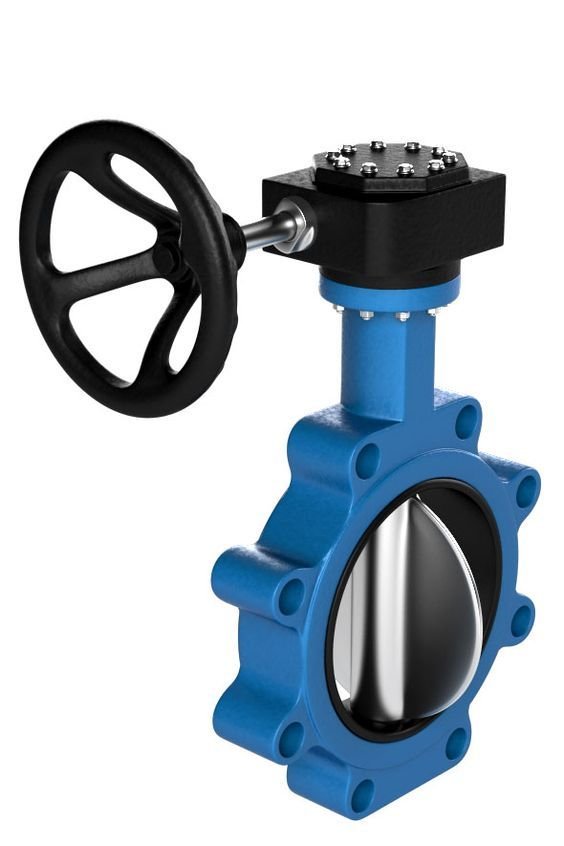
Butterfly valves, for example, are often a practical choice for large-diameter isolation and selected flow regulation duties because they have a compact structure and relatively low weight. Other applications may call for ball, gate, globe, check, or specialized control valves.
For industrial projects requiring flanged valve connections, you can also explore our flanged valve product range.
What Are Industrial Flow Control Solutions?
Industrial flow control solutions are systems and equipment designed to manage the movement of fluids through industrial piping.
Their main functions include:
- Starting and stopping flow
- Regulating flow rate
- Controlling pressure
- Preventing reverse flow
- Diverting fluid
- Isolating equipment
- Protecting pipelines
- Automating process operations
A basic system might use a manually operated valve. A more advanced installation could combine automated valves, pressure transmitters, flow meters, actuators, PLCs, and a central control system.
The correct solution depends on several variables:
| Factor | Why It Matters |
|---|---|
| Fluid | Determines material compatibility |
| Flow rate | Affects valve size and capacity |
| Pressure | Determines pressure rating and operating torque |
| Temperature | Affects body, seat, and seal selection |
| Pipe size | Influences connection and valve dimensions |
| Operating frequency | Affects wear and actuator selection |
| Control accuracy | Determines suitable valve design |
| Corrosion | Influences material selection |
| Abrasion | Influences internal component durability |
| Automation | Determines actuator and control requirements |
Why Industrial Flow Control Is Important
Poor flow control can create problems throughout a facility.
Excessive pressure loss can increase pump energy consumption. Incorrect valve sizing can cause unstable flow. Poor material compatibility can lead to corrosion or seal failure. Inadequate automation can also increase manual intervention and operating costs.
Effective flow control helps facilities improve:
- Process stability
- Equipment protection
- Energy efficiency
- Operational safety
- Product consistency
- Maintenance planning
- System reliability
In other words, flow control isn’t just about moving fluid. It’s about moving it at the right rate, pressure, direction, and time.
1. Butterfly Valves for Industrial Flow Control
Butterfly valves are widely used in industrial piping because their design is relatively compact and lightweight.
A rotating disc controls the flow passage.
They can be used in applications such as:
- Water treatment
- Cooling water
- HVAC
- Wastewater
- Desalination
- General industrial systems
- Selected chemical services
Butterfly valves are particularly attractive for large-diameter pipelines where a compact valve can reduce installation space and weight.
However, the valve must be selected according to the application.
For basic isolation, a resilient seated butterfly valve may be suitable. More demanding applications may require double-offset, triple-offset, or metal-seated designs.
2. Gate Valves for Isolation
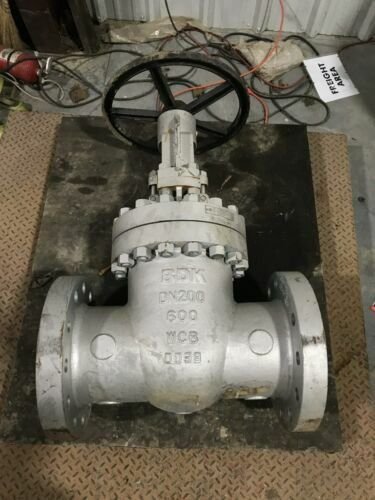
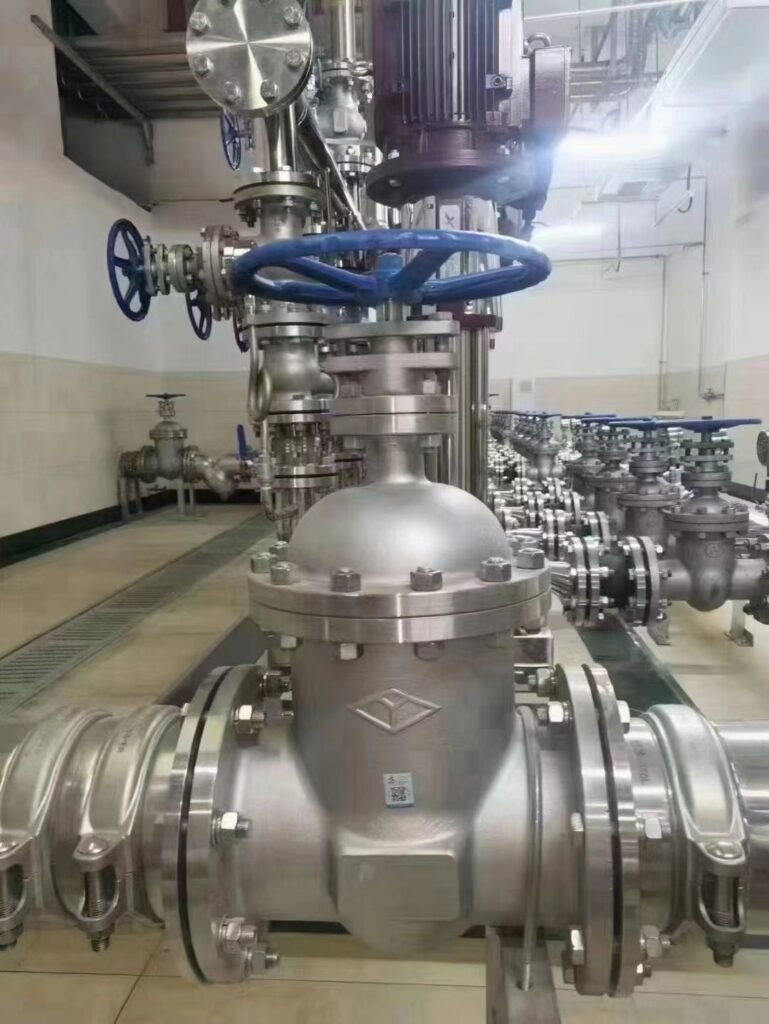
Gate valves are primarily designed for on/off isolation.
When fully open, the gate is lifted out of the main flow path, which can provide relatively low flow resistance.
Typical applications include:
- Water pipelines
- Oil and gas
- Industrial process lines
- Utility systems
Gate valves generally aren’t the first choice for continuous throttling because partially opening the valve can create undesirable flow conditions and accelerate wear.
For systems that mainly require reliable isolation, however, they can be an effective solution.
3. Globe Valves for Flow Regulation
Globe valves are commonly associated with flow regulation.
Their internal geometry allows controlled changes in flow as the valve opens and closes.
They can be considered when the process requires:
- Throttling
- Pressure control
- More precise flow adjustment
- Frequent regulation
The trade-off is that globe valves generally create more pressure loss than many full-open butterfly or gate valve arrangements.
Therefore, the selection should consider both control performance and energy consumption.
4. Ball Valves for Tight Shut-Off
Ball valves use a rotating ball with a passage through its center.
They’re commonly selected when reliable shut-off is important.
Advantages can include:
- Compact design
- Fast quarter-turn operation
- Good shut-off performance
- Automation compatibility
Ball valves are widely used in:
- Process industries
- Oil and gas
- Chemical systems
- Water systems
- Gas applications
The correct seat and body materials must be selected for the process medium and temperature.
5. Check Valves for Backflow Prevention
Flow control isn’t limited to controlling forward flow.
Check valves automatically prevent reverse flow.
They’re commonly installed downstream of:
- Pumps
- Compressors
- Process equipment
- Storage systems
Different designs, including swing, wafer, lift, and dual-plate check valves, provide different hydraulic and operating characteristics.
The correct choice should consider flow velocity, installation orientation, pressure, and the risk of water hammer or reverse-flow conditions.
6. Actuated Flow Control Systems
Manual valves may be sufficient for simple isolation, but modern industrial plants often require automated operation.
Electric Actuators
Electric actuators are useful when:
- Remote operation is required
- Electrical power is readily available
- Precise positioning is needed
- Integration with a control system is required
Pneumatic Actuators
Pneumatic actuators are common in process plants where compressed air is available.
They can provide fast quarter-turn operation for valves such as butterfly and ball valves.
Hydraulic Actuators
Hydraulic systems can deliver high torque and may be suitable for specialized heavy-duty applications.
7. Flow Measurement and Control
A valve can’t provide effective process control if operators don’t know what the system is doing.
Flow meters can provide real-time information about:
- Flow rate
- Totalized volume
- Flow direction
- Process performance
Common technologies include:
- Electromagnetic flow meters
- Ultrasonic flow meters
- Coriolis flow meters
- Vortex flow meters
- Differential-pressure flow meters
The meter should be selected according to the fluid, pipe size, flow range, temperature, pressure, and required measurement accuracy.
Combining measurement with an automated valve can create a closed-loop flow control system.
8. Pressure Control
Pressure is closely connected to flow.
A system with excessive pressure can damage equipment or create unsafe operating conditions. Insufficient pressure can prevent downstream equipment from operating correctly.
Pressure control may involve:
- Control valves
- Pressure regulators
- Pressure relief valves
- Pumps
- Pressure transmitters
- Automated control systems
For critical systems, pressure monitoring should be integrated into the overall process control strategy.
9. Selecting the Right Valve Material
Material compatibility is one of the most important aspects of flow control.
Common valve materials include:
| Material | Typical Considerations |
|---|---|
| Cast iron | General water and HVAC service |
| Ductile iron | Water and industrial service |
| Carbon steel | Higher-strength industrial applications |
| Stainless steel | Corrosive or hygienic environments |
| Aluminum bronze | Selected marine/seawater applications |
| Specialized alloys | Severe corrosion or temperature |
The body material isn’t the only component that matters.
The following may also require careful selection:
- Disc
- Shaft
- Seat
- Stem
- Seals
- Fasteners
- Coatings
A chemically compatible valve body with an incompatible seat can still fail prematurely.
10. Seat and Seal Selection
Soft seats and seals are particularly sensitive to the process medium.
Common materials include:
- EPDM
- NBR
- PTFE
- FKM
EPDM
Often used in water-related services, subject to temperature and chemical conditions.
NBR
Commonly considered for selected oil and hydrocarbon-related applications.
PTFE
Offers broad chemical resistance and is frequently considered for chemical-processing applications.
FKM
Can provide good resistance to certain hydrocarbons, chemicals, and elevated temperatures.
Compatibility must always be checked against the specific fluid, concentration, temperature, and pressure.
11. Industrial Flow Control Solutions for Different Industries
Different industries have different flow-control priorities.
Water Treatment
Typical requirements include:
- Corrosion resistance
- Reliable isolation
- Low maintenance
- Large-diameter valve availability
- Automation
Butterfly valves are widely used in water treatment because of their compact design and suitability for large pipelines.
Wastewater Treatment
Wastewater may contain solids, chemicals, and suspended particles.
Valve selection should therefore consider:
- Corrosion
- Abrasion
- Solids handling
- Seat durability
Chemical Processing
Chemical compatibility becomes a major priority.
Materials should be selected based on the exact process chemistry.
Oil and Gas
Applications can involve:
- High pressure
- Hydrocarbons
- High temperature
- Critical isolation
Valve design, material, pressure rating, and fire-safety requirements may all become important.
Power Generation
Power plants may use valves for:
- Cooling water
- Feedwater
- Steam
- Condensate
- Fuel systems
Temperature and pressure requirements can vary significantly across the facility.
HVAC
HVAC systems often use butterfly valves for:
- Chilled water
- Hot water
- Cooling water
- Air-handling systems
Compact construction and quarter-turn operation can make butterfly valves practical for these applications.
How to Select the Right Industrial Flow Control Solution
A structured selection process helps avoid costly mistakes.
Step 1: Define the Fluid
Identify the exact medium and, where relevant, its concentration.
Step 2: Define Operating Conditions
Record:
- Minimum pressure
- Normal pressure
- Maximum pressure
- Minimum temperature
- Normal temperature
- Maximum temperature
Step 3: Define Flow Requirements
Establish:
- Minimum flow
- Normal flow
- Maximum flow
Step 4: Determine the Required Function
Is the valve being used for:
- Isolation?
- Throttling?
- Pressure control?
- Backflow prevention?
- Emergency shut-off?
Step 5: Select Materials
Check body, disc, seat, shaft, seals, and coatings.
Step 6: Calculate Valve Capacity
For flow-control applications, determine the required Cv or equivalent flow coefficient.
Step 7: Select the Actuator
Calculate operating torque under the worst expected conditions.
Step 8: Review Installation Conditions
Consider:
- Pipe orientation
- Available space
- Flange standards
- Upstream/downstream piping
- Maintenance access
Step 9: Define Testing Requirements
Determine the applicable pressure, leakage, functional, and inspection requirements.
Step 10: Review Lifecycle Cost
Consider purchase price, energy consumption, maintenance, spare parts, downtime, and expected service life.
Common Problems in Industrial Flow Control
Even a high-quality valve can perform poorly if the system isn’t properly designed.
Excessive Pressure Drop
Potential causes include:
- Undersized valve
- Excessive flow
- Partially closed valve
- Pipeline restrictions
Internal Leakage
Possible causes include:
- Damaged seat
- Contaminated sealing surface
- Disc damage
- Incorrect valve selection
- Excessive wear
High Operating Torque
Potential causes include:
- High differential pressure
- Seat friction
- Corrosion
- Foreign material
- Incorrect actuator sizing
Flow Instability
Possible causes include:
- Poor valve sizing
- Valve operating outside its ideal range
- Incorrect control strategy
- Rapid actuator movement
Cavitation
Cavitation can occur under certain liquid pressure conditions and may cause:
- Noise
- Vibration
- Erosion
- Reduced valve life
System conditions should be evaluated before selecting a valve for high-pressure-drop service.
Automation and Smart Flow Control
Industrial flow control is increasingly connected to automation.
A modern system may combine:
Flow meter → Controller → Actuator → Valve → Process
The controller compares measured flow with the desired set point and adjusts the valve position.
More advanced systems can incorporate:
- Remote monitoring
- PLC control
- SCADA
- Position feedback
- Pressure monitoring
- Alarm systems
- Predictive maintenance
This can improve process visibility and reduce the need for manual intervention.
How to Improve Flow Control Efficiency
Several practical measures can improve system performance.
Avoid Oversized Valves
An oversized valve may provide poor control resolution.
Minimize Unnecessary Pressure Loss
Lower pressure losses can help reduce pumping energy.
Use Appropriate Valve Characteristics
Select valve geometry according to the required control behavior.
Maintain Actuators
A poorly maintained actuator can prevent the valve from reaching its intended position.
Monitor Valve Performance
Changes in torque, leakage, pressure drop, or flow can indicate developing problems.
Keep the Pipeline Clean
Foreign material can damage seats and interfere with valve operation.
Industrial Flow Control Solutions for EPC Projects
EPC contractors often need more than individual valves.
A complete project package may include:
- Valve selection
- Technical datasheets
- Valve drawings
- Material documentation
- Actuators
- Accessories
- Inspection and testing
- Certificates
- Packing
- Export documentation
For large projects, suppliers may also need to coordinate valve tags, purchase-order requirements, inspection schedules, and delivery batches.
This project-oriented approach can make procurement and commissioning much smoother.
Industrial Flow Control Selection Checklist
Before purchasing a valve or complete flow-control package, confirm:
- Fluid identified
- Fluid concentration identified
- Minimum pressure confirmed
- Maximum pressure confirmed
- Minimum temperature confirmed
- Maximum temperature confirmed
- Minimum flow confirmed
- Maximum flow confirmed
- Valve function defined
- Valve size calculated
- Cv checked
- Pressure drop checked
- Body material selected
- Disc material selected
- Seat material selected
- Connection standard confirmed
- Actuator torque confirmed
- Testing requirements defined
- Documentation requirements defined
- Delivery schedule confirmed
Frequently Asked Questions
What are industrial flow control solutions?
Industrial flow control solutions are systems used to manage the movement, pressure, direction, and rate of fluids in industrial processes. They can include valves, actuators, flow meters, pressure-control devices, pumps, and automation systems.
Which valve is best for industrial flow control?
There isn’t one valve that’s best for every application. Butterfly valves are often suitable for large-diameter isolation and selected control duties, while globe valves may be preferred for demanding throttling and ball valves for tight shut-off.
Are butterfly valves suitable for flow control?
Yes, depending on the valve design and operating conditions. They can regulate flow, but the valve must be properly sized and suitable for the required control range.
How do I choose an industrial control valve?
Start with fluid type, flow rate, pressure, temperature, required control range, pressure drop, and valve function. Then select the appropriate valve design, materials, size, Cv, and actuator.
Why is valve material compatibility important?
Incompatible materials can corrode, swell, crack, soften, or otherwise deteriorate. Compatibility should be checked for the complete wetted valve assembly, including seats and seals.
What is Cv and why is it important?
Cv represents valve flow capacity under defined reference conditions. It is commonly used when sizing valves for liquid service and helps engineers determine whether a valve can deliver the required flow at the available pressure differential.
Can flow control valves be automated?
Yes. Electric, pneumatic, and hydraulic actuators can automate many valve types. The actuator should be selected according to valve torque, operating conditions, control requirements, and fail-safe needs.
How can industrial flow-control costs be reduced?
Costs can be reduced through correct valve sizing, appropriate material selection, lower unnecessary pressure losses, preventive maintenance, reliable automation, and consideration of total lifecycle cost rather than purchase price alone.
What should an EPC contractor look for in a flow-control supplier?
Important factors include technical capability, manufacturing quality, documentation, customization, inspection support, production capacity, delivery reliability, and after-sales service.
Conclusion
Effective industrial flow control solutions require more than choosing a valve from a catalog. The best solution begins with a clear understanding of the fluid, flow rate, pressure, temperature, control requirements, and operating environment.
Butterfly, gate, globe, ball, and check valves each have different strengths. The right choice depends on the function the valve must perform and the conditions under which it will operate.
For industrial facilities and EPC projects, a complete approach should also consider automation, instrumentation, documentation, inspection, delivery, and long-term maintenance.
When valves are correctly sized and matched with compatible materials, suitable actuators, and an appropriate control strategy, the result can be a more reliable and efficient piping system with fewer unexpected failures and lower lifecycle costs.