
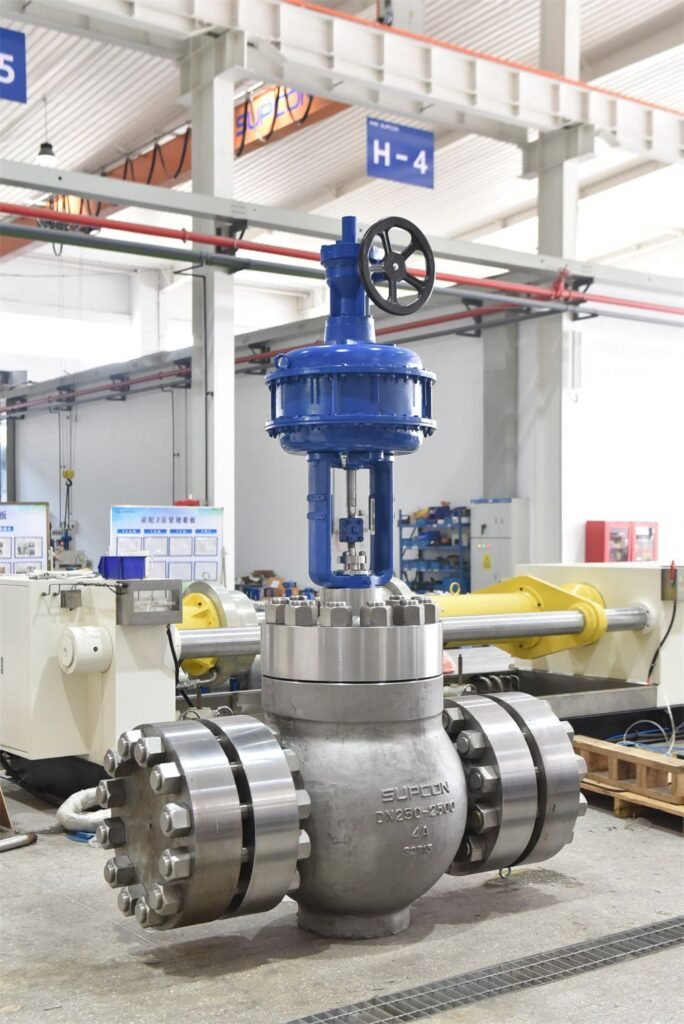
An isolation valve is a critical component in industrial piping systems. Its primary purpose is simple: stop and isolate fluid flow when equipment, pipelines, or process sections need to be shut down or separated.
However, choosing the right isolation valve manufacturer involves much more than comparing product prices. The manufacturer needs to provide valves that match the project’s pressure, temperature, fluid, connection, material, leakage, and operating requirements.
A reliable supplier should also have strong quality control, accurate technical documentation, consistent manufacturing, inspection capabilities, and dependable delivery.
Isolation valves are used across water treatment, wastewater, HVAC, chemical processing, oil and gas, power generation, desalination, and general industrial applications. Depending on the system, suitable products may include butterfly valves, gate valves, ball valves, and plug valves.
For industrial projects requiring flanged valve connections, you can also explore our flanged valve product range.
What Does an Isolation Valve Manufacturer Do?
An isolation valve manufacturer designs, produces, tests, and supplies valves intended to shut off or isolate sections of a piping system.
A manufacturer may be responsible for:
- Valve design
- Material selection
- Component manufacturing
- Valve assembly
- Pressure testing
- Leakage testing
- Dimensional inspection
- Surface treatment
- Actuator integration
- Product marking
- Documentation
- Packaging
- Shipment
A capable manufacturer should also be able to review technical requirements before production.
This is particularly important for EPC projects where valves may have detailed specifications covering materials, standards, testing, coating, documentation, and traceability.
Why Choosing the Right Manufacturer Matters
Isolation valves may remain installed for many years.
Once a valve is installed inside a large industrial facility, replacing it can involve much more than purchasing a new component.
Replacement may require:
- Process shutdown
- Pipeline draining
- Valve removal
- New valve installation
- Testing
- Recommissioning
Therefore, selecting a reliable valve manufacturer at the beginning can reduce long-term operational risk.
A suitable manufacturer should focus on performance, compatibility, reliability, and lifecycle value, not just the initial purchase price.
Types of Isolation Valves
Different isolation valve designs are suitable for different applications.
Butterfly Valves
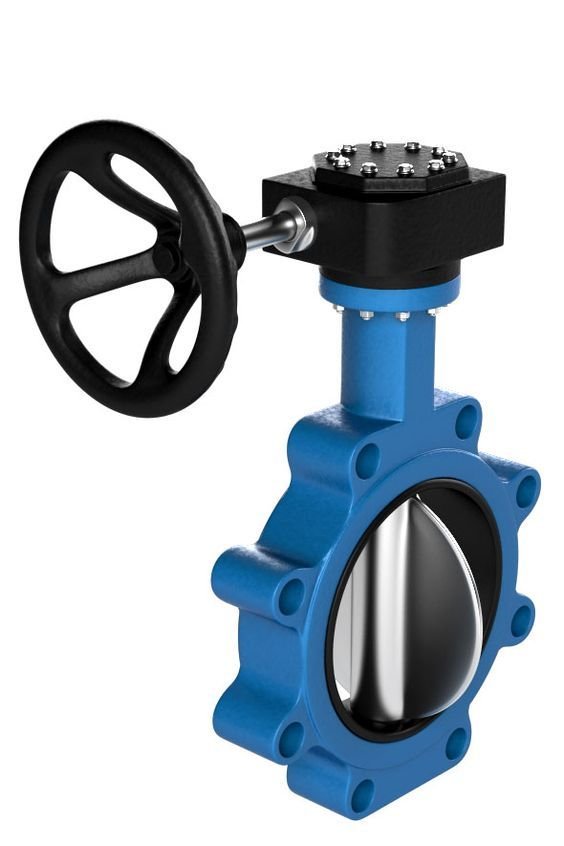
Butterfly valves use a rotating disc to control the flow passage.
They are widely used for:
- Water
- Wastewater
- Cooling water
- HVAC
- Desalination
- General industrial service
Their compact construction makes them especially attractive for large pipeline diameters.
Common designs include:
- Concentric butterfly valves
- Double offset butterfly valves
- Triple offset butterfly valves
Gate Valves
Gate valves use a moving gate to isolate the flow.
They are often selected for applications where the valve is normally either fully open or fully closed.
Common services include:
- Water pipelines
- Oil systems
- Industrial utilities
- Process piping
Gate valves generally aren’t intended for continuous throttling.
Ball Valves
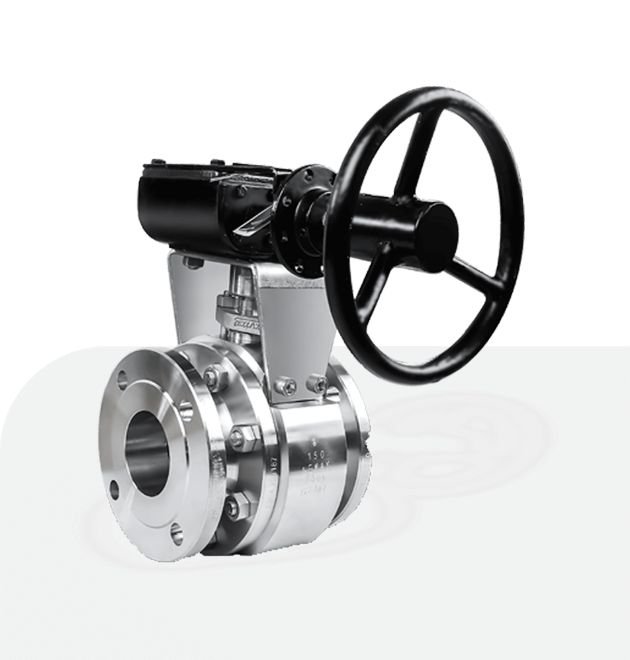
Ball valves use a rotating ball with a flow passage.
They can provide fast operation and reliable shut-off and are common in:
- Process systems
- Oil and gas
- Chemical service
- Water
- Gas applications
Plug Valves
Plug valves use a rotating plug to control or isolate flow.
They may be considered for:
- Wastewater
- Slurry
- Chemical processing
- Oil and gas
The appropriate valve design depends on the medium and operating conditions.
Isolation Valve Manufacturer Selection Criteria
1. Manufacturing Capability
Start by evaluating whether the manufacturer can actually produce the required valves.
Consider:
- Available valve sizes
- Pressure ratings
- Materials
- Connection types
- Valve designs
- Actuation options
- Production capacity
A supplier that only offers a narrow product range may not be suitable for projects requiring multiple valve configurations.
2. Material Selection Capability
The manufacturer should understand how different materials perform under different operating conditions.
Common body materials include:
| Material | Typical Applications |
|---|---|
| Cast iron | General water and HVAC |
| Ductile iron | Water and industrial service |
| Carbon steel | Industrial and higher-strength applications |
| Stainless steel | Corrosive environments |
| Aluminum bronze | Selected marine applications |
The body is only one part of the material selection process.
The manufacturer should also consider:
- Disc
- Shaft
- Stem
- Seat
- Seals
- Fasteners
- Coatings
For example, an elastomer seat may have very different chemical and temperature limitations from the valve body.
3. Pressure and Temperature Capability
An isolation valve must be suitable for the maximum expected operating conditions.
Important parameters include:
- Nominal pressure
- Maximum operating pressure
- Design pressure
- Minimum temperature
- Maximum temperature
- Pressure-temperature relationship
Common pressure designations include:
- PN10
- PN16
- PN25
- Class 150
- Other project-specific ratings
Don’t evaluate pressure rating independently of temperature.
A valve’s allowable pressure may change as operating temperature increases.
4. Quality Control
Quality control should cover the complete manufacturing process.
A good quality program can include:
Incoming Material Inspection
Verify materials and relevant certificates.
Machining Inspection
Check critical dimensions and tolerances.
Assembly Inspection
Verify proper installation of:
- Disc
- Shaft
- Seat
- Bearings
- Seals
- Actuator components
Pressure Testing
Verify pressure integrity and shut-off performance according to applicable requirements.
Final Inspection
Check:
- Dimensions
- Marking
- Coating
- Appearance
- Operation
- Documentation
Consistent quality control helps reduce the risk of field failures.
5. Valve Testing
Testing requirements vary according to the valve type, standard, and project specification.
Testing may include:
- Shell pressure test
- Seat leakage test
- Functional test
- Dimensional inspection
- Actuator test
- Visual inspection
For critical projects, inspection may also involve third-party witnessing or customer inspection.
A qualified manufacturer should be able to prepare the required inspection and testing documentation.
6. Product Customization
Industrial projects often have requirements that don’t fit a standard catalog configuration.
A capable manufacturer may provide options such as:
- Custom seat materials
- Special disc materials
- Extended stems
- Special coatings
- Customized dimensions
- Special flange standards
- Electric actuators
- Pneumatic actuators
- Hydraulic actuators
- Position indicators
- Limit switches
- Locking devices
Customization should be confirmed through technical drawings and approved documentation before manufacturing begins.
7. Technical Documentation
Documentation is especially important for EPC contractors and industrial end users.
A valve manufacturer may need to provide:
- Datasheets
- General arrangement drawings
- Material certificates
- Pressure test reports
- Inspection reports
- Certificates of conformity
- Actuator documentation
- Operation manuals
- Maintenance information
- Packing lists
Documentation should accurately correspond to the supplied valves.
Good traceability makes future maintenance much easier.
Isolation Valve Manufacturer for Different Industries
Water Treatment
Water treatment plants commonly use butterfly and gate valves for pipeline isolation.
Key considerations include:
- Water compatibility
- Corrosion resistance
- Pressure rating
- Seat material
- Long-term sealing
Wastewater
Wastewater systems can contain solids, chemicals, and abrasive particles.
Valve selection should consider:
- Abrasion
- Corrosion
- Solids
- Debris
- Maintenance requirements
Desalination
Seawater can create demanding corrosion conditions.
Suitable materials may include selected stainless steels, duplex materials, aluminum bronze, and specialized alloys, depending on the application.
Chemical Processing
Chemical compatibility is critical.
The valve manufacturer should review:
- Chemical type
- Concentration
- Temperature
- Pressure
- Exposure time
before recommending body and sealing materials.
Oil and Gas
Oil and gas systems can involve high pressure, hydrocarbons, elevated temperatures, and critical safety requirements.
Valve design and applicable industry standards become particularly important.
HVAC
Butterfly valves are widely used in HVAC piping for:
- Chilled water
- Hot water
- Cooling water
Compact construction and quarter-turn operation can be advantageous in mechanical rooms and plant systems.
How to Evaluate an Isolation Valve Manufacturer
Before placing an order, consider the following areas.
| Evaluation Area | Questions to Ask |
|---|---|
| Product range | Can they supply the required valve types and sizes? |
| Materials | Can they provide the required grades? |
| Quality | How is production quality controlled? |
| Testing | What testing can they perform? |
| Documentation | Can they provide the required project documents? |
| Customization | Can they manufacture special configurations? |
| Capacity | Can they meet the required quantity? |
| Lead time | Is the delivery schedule realistic? |
| Experience | Have they handled similar applications? |
| Support | Can they provide technical assistance? |
This evaluation can help separate a genuine manufacturing partner from a supplier that simply resells standard products.
Isolation Valve Manufacturer vs Valve Distributor
Both manufacturers and distributors can have a role in the supply chain.
Manufacturer
Potential advantages include:
- Direct technical communication
- Manufacturing customization
- Better product traceability
- Direct quality control
- Factory inspection
- Technical support
Distributor
Potential advantages can include:
- Local inventory
- Faster access to standard products
- Local service
- Regional logistics
For large EPC projects or customized valves, direct communication with the manufacturer can often simplify technical coordination.
For urgent standard replacement valves, a local distributor may sometimes offer faster availability.
The best option depends on the project’s requirements.
How to Select the Right Isolation Valve
A practical selection process should follow these steps.
Step 1: Identify the Fluid
Determine exactly what will flow through the valve.
Step 2: Determine Pressure
Record minimum, normal, and maximum pressure.
Step 3: Determine Temperature
Record minimum, normal, and maximum temperature.
Step 4: Define the Valve Function
Confirm whether the valve is strictly for isolation or also expected to regulate flow.
Step 5: Select the Valve Type
Choose butterfly, gate, ball, plug, or another appropriate design.
Step 6: Select Materials
Confirm compatibility of all wetted components.
Step 7: Select the Connection
Choose wafer, lug, threaded, butt-weld, socket-weld, or flanged construction as required.
Step 8: Select Operation
Choose:
- Manual lever
- Gearbox
- Electric actuator
- Pneumatic actuator
- Hydraulic actuator
Step 9: Confirm Testing
Define applicable pressure and leakage tests.
Step 10: Review Documentation
Confirm project documentation requirements before production.
Common Mistakes When Choosing an Isolation Valve Manufacturer
Choosing Only by Price
A low purchase price doesn’t necessarily mean a low lifecycle cost.
Consider quality, maintenance, downtime, and replacement costs.
Ignoring Seat Compatibility
The body may be compatible with the fluid while the seat isn’t.
Not Checking Pressure-Temperature Ratings
A nominal pressure rating alone doesn’t tell the whole story.
Failing to Confirm Standards
The valve should comply with the required project and piping standards.
Ignoring Actuator Torque
Automated valves need correctly sized actuators.
Ordering Without Reviewing Drawings
For customized valves, approved drawings are important.
Underestimating Documentation Requirements
EPC projects may require extensive documentation for final acceptance.
Isolation Valve Procurement Checklist
Before placing an order, confirm:
- Valve type
- Nominal size
- Pressure rating
- Fluid
- Operating pressure
- Operating temperature
- Body material
- Disc/gate/ball material
- Seat material
- Connection type
- Face-to-face dimensions
- Leakage requirements
- Operating method
- Actuator requirements
- Applicable standards
- Testing requirements
- Inspection requirements
- Documentation
- Packaging
- Delivery schedule
This information helps prevent specification errors before manufacturing starts.
Frequently Asked Questions
What is an isolation valve manufacturer?
An isolation valve manufacturer designs and produces valves intended primarily to stop and isolate fluid flow. Manufacturers may produce butterfly, gate, ball, plug, and other isolation valve designs.
Which valve is best for isolation?
It depends on the application. Butterfly valves are often suitable for large-diameter systems, gate valves are common for pipeline isolation, and ball valves are frequently selected where compact construction and tight shut-off are important.
How do I choose an isolation valve manufacturer?
Evaluate manufacturing capability, product range, material options, quality control, testing, certifications, documentation, customization capability, production capacity, delivery reliability, and technical support.
What information does a valve manufacturer need for a quotation?
At minimum, provide valve type, size, pressure rating, fluid, temperature, pressure, connection type, material requirements, seat material, operating method, quantity, applicable standards, and delivery requirements.
Can an isolation butterfly valve also be used for flow control?
Some butterfly valves can regulate flow, but not every design is suitable for continuous throttling. If flow control is important, the valve should be specifically selected and sized for that service.
What materials are commonly used for isolation valves?
Common materials include cast iron, ductile iron, carbon steel, stainless steel, and aluminum bronze. The correct choice depends on pressure, temperature, corrosion, and fluid compatibility.
Why is seat material important?
The seat provides the sealing interface and can be exposed directly to the process medium. An incompatible seat can swell, harden, crack, or otherwise deteriorate, causing leakage or premature failure.
Can an isolation valve manufacturer supply actuators?
Many manufacturers can supply complete valve-and-actuator assemblies. Electric, pneumatic, and hydraulic actuators can be selected according to the valve’s operating torque and automation requirements.
What should EPC contractors check before ordering isolation valves?
They should verify technical specifications, drawings, materials, pressure ratings, testing, documentation, inspection requirements, delivery schedules, and revision control before manufacturing begins.
Conclusion
Choosing the right isolation valve manufacturer is an important part of building a reliable industrial piping system. The manufacturer should be evaluated not only on price but also on engineering capability, material knowledge, manufacturing quality, testing, documentation, customization, and delivery performance.
Butterfly valves, gate valves, ball valves, and plug valves can all provide effective isolation when properly selected. The right choice depends on the fluid, pressure, temperature, pipe size, connection, leakage requirements, and operating conditions.
For EPC contractors and industrial end users, a strong manufacturer relationship can provide benefits throughout the project lifecycle—from technical selection and quotation to manufacturing, inspection, shipment, installation, and maintenance.
Ultimately, the best isolation valve manufacturer is one that can consistently deliver the correct valve specification, dependable quality, complete documentation, and responsive technical support rather than simply offering the lowest initial price.