
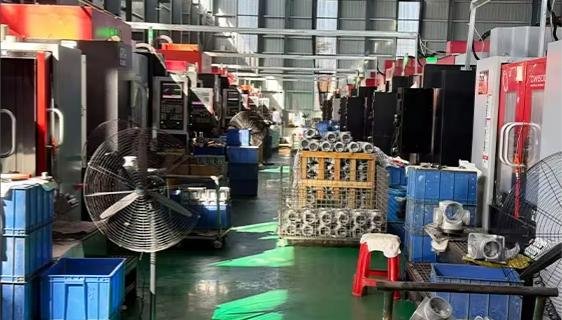
Selecting the right process valve supplier is an important decision for industrial plants, EPC contractors, system integrators, and engineering companies. Process valves may look like standard piping components, but their performance directly affects flow control, equipment protection, process stability, safety, and maintenance costs.
A reliable supplier should do more than provide a quotation. They should understand the operating conditions, recommend suitable valve designs and materials, provide accurate technical documents, support inspection and testing, and deliver products according to the project schedule.
Process valves are used in many industries, including water treatment, wastewater, chemical processing, oil and gas, power generation, food processing, marine systems, and general manufacturing. Each application can require a different combination of valve type, pressure rating, body material, seat material, connection, and actuation.
For projects that require flanged connections, you can also explore our flanged valve product range.
What Is a Process Valve Supplier?
A process valve supplier provides valves and related equipment used to control, isolate, regulate, or direct fluids within an industrial process.
Depending on the supplier’s capabilities, its product range may include:
- Butterfly valves
- Gate valves
- Globe valves
- Ball valves
- Check valves
- Plug valves
- Control valves
- Actuated valves
- Valve accessories
A capable supplier should also be able to provide technical support around:
- Valve selection
- Material compatibility
- Pressure and temperature ratings
- Flow requirements
- Actuator sizing
- Inspection
- Testing
- Documentation
- Project delivery
The supplier’s role can therefore extend from initial technical discussions to final shipment and after-sales support.
Why the Right Process Valve Supplier Matters
Process valves often operate continuously for years. A valve failure can affect much more than the valve itself.
Potential consequences include:
- Process shutdown
- Production losses
- Fluid leakage
- Equipment damage
- Safety concerns
- Emergency maintenance
- Unplanned replacement costs
For this reason, supplier selection should consider the valve’s total lifecycle value, not just its purchase price.
A slightly higher initial cost may be worthwhile if the supplier provides better materials, more reliable testing, stronger documentation, and longer service life.
1. Understand the Required Process Valve Type
The first step is identifying what the valve needs to do.
Butterfly Valves
Butterfly valves use a rotating disc and are widely used for large-diameter pipelines.
Typical applications include:
- Water treatment
- Cooling water
- HVAC
- Wastewater
- Desalination
- General industrial systems
Concentric, double-offset, and triple-offset designs are available for different service conditions.
Gate Valves
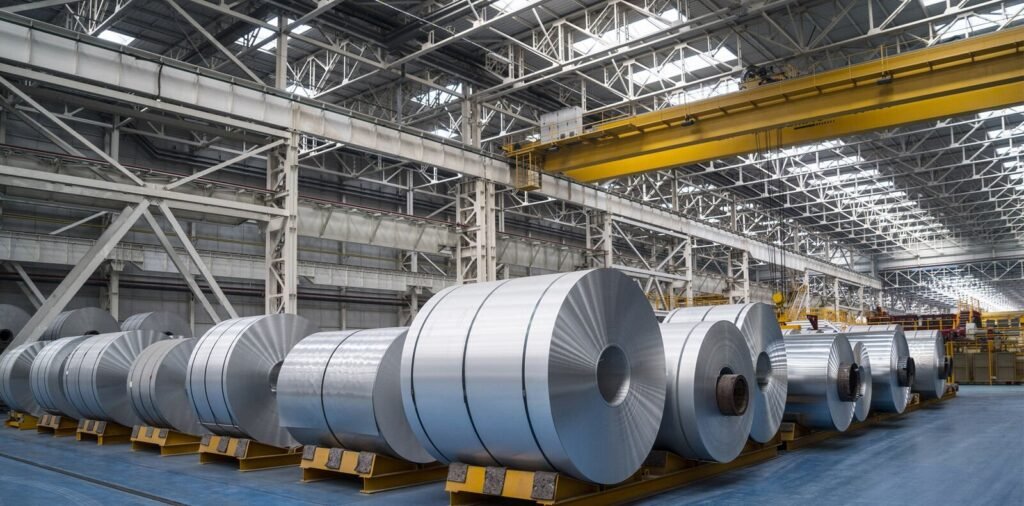
Gate valves are primarily used for isolation.
They are commonly installed in:
- Water pipelines
- Utility systems
- Oil and gas
- Industrial process lines
They’re generally intended for fully open or fully closed operation rather than continuous throttling.
Globe Valves
Globe valves are commonly used where flow regulation is important.
They can provide controlled flow adjustment, although their pressure loss may be higher than that of some other valve designs.
Ball Valves
Ball valves use a rotating ball and can provide fast operation and tight shut-off.
They’re common in:
- Chemical processing
- Oil and gas
- Water
- Gas
- General process applications
Check Valves
Check valves prevent reverse flow and are commonly used around pumps and other process equipment.
2. Evaluate the Supplier’s Material Expertise
A good process valve supplier should understand that material selection applies to the entire wetted valve assembly.
Potential materials include:
| Component | Common Material Options |
|---|---|
| Body | Cast iron, ductile iron, carbon steel, stainless steel |
| Disc | Ductile iron, stainless steel, aluminum bronze |
| Stem/Shaft | Stainless steel and other suitable alloys |
| Seat | EPDM, NBR, PTFE, FKM, metal |
| Seals | Application-specific elastomers |
| Coating | Epoxy or other specified systems |
The correct combination depends on the process medium.
For example, a valve for clean water may have very different material requirements from a valve handling concentrated chemicals or seawater.
Fluid Compatibility Is Critical
Before selecting materials, identify:
- Fluid type
- Concentration
- Temperature
- Pressure
- Corrosiveness
- Abrasiveness
- Solids content
A valve body that resists corrosion doesn’t guarantee that its seat or seals will be compatible.
3. Check Pressure and Temperature Ratings
A process valve must withstand the maximum expected operating conditions.
Important data includes:
- Minimum pressure
- Normal pressure
- Maximum pressure
- Minimum temperature
- Normal temperature
- Maximum temperature
Common pressure designations include:
- PN10
- PN16
- PN25
- Class 150
- Other project-specific ratings
Pressure ratings should always be evaluated together with temperature.
For higher-temperature service, the allowable pressure may differ from the rating at ambient conditions.
A reliable supplier should provide appropriate pressure-temperature data rather than relying only on a nominal pressure designation.
4. Review Valve Size and Flow Requirements
Valve size should be based on the actual process requirements.
Important flow parameters include:
- Minimum flow
- Normal flow
- Maximum flow
- Required pressure drop
- Fluid density
- Viscosity
- Required Cv
Simply selecting a valve that matches the pipeline diameter may not produce the best process performance.
An undersized valve can cause excessive pressure loss.
An oversized valve can provide poor control resolution in throttling applications.
For process control applications, proper hydraulic sizing is particularly important.
5. Choose a Supplier With Actuation Capability
Many process valves need automation.
A supplier may provide:
Manual Operation
Suitable for applications where valves are operated occasionally.
Options can include:
- Hand levers
- Gearboxes
- Chain wheels
Electric Actuators
Useful for:
- Remote operation
- Automated isolation
- Modulating control
- PLC integration
Pneumatic Actuators
Common in industrial process plants where compressed air is available.
They can provide rapid quarter-turn operation for butterfly and ball valves.
Hydraulic Actuators
Useful for specialized applications where high operating force is required.
The actuator must be sized according to the valve’s actual operating torque or thrust under the worst expected conditions.
6. Technical Support Should Be Part of the Supply
A strong supplier should be able to answer technical questions before the purchase order is finalized.
For example:
- Is EPDM compatible with the process fluid?
- Is PTFE required?
- Should the valve use a wafer or flanged connection?
- Is PN16 sufficient?
- Is a double-offset valve necessary?
- What actuator torque is required?
- Is the valve suitable for throttling?
- What testing is required?
Early technical review can prevent costly changes later.
Technical Review Checklist
Before production, confirm:
- Valve type
- Size
- Pressure rating
- Materials
- Seat
- Connection
- Face-to-face dimensions
- Actuator
- Accessories
- Testing
- Documentation
- Applicable standards
For customized or project-specific valves, approved drawings should be used as the manufacturing reference.
7. Quality Control and Testing
Quality assurance is essential for process valve procurement.
A qualified supplier should have defined procedures for:
Material Inspection
Verify the required material grades and relevant certificates.
Dimensional Inspection
Check critical dimensions such as:
- Face-to-face
- Flange dimensions
- Bore
- Shaft dimensions
- Mounting dimensions
Pressure Testing
Depending on the valve and applicable requirements, testing may include shell and seat tests.
Functional Testing
For actuated valves, verify:
- Opening
- Closing
- Travel
- Position indication
- Limit switches
- Actuator operation
Final Inspection
Check:
- Surface finish
- Coating
- Marking
- Assembly
- Packaging
- Documentation
Testing requirements should be agreed upon before production.
8. Documentation for Process Valve Projects
Industrial customers and EPC contractors often need detailed valve documentation.
A typical package may include:
- Product datasheet
- General arrangement drawing
- Material certificates
- Pressure test reports
- Inspection reports
- Certificate of conformity
- Actuator documentation
- Operation and maintenance manual
- Coating information
- Calibration certificates where applicable
- Packing list
Documentation should correspond to the actual valves supplied.
For larger projects, traceability may also be required through:
- Serial numbers
- Valve tags
- Heat numbers
- Batch information
- Inspection records
Good documentation can make commissioning and future maintenance much easier.
9. Evaluate Manufacturing Capacity and Delivery
A supplier may offer excellent products but still be unsuitable if they can’t meet the required project schedule.
Before placing an order, confirm:
- Production capacity
- Current workload
- Manufacturing lead time
- Inspection schedule
- Packaging time
- Shipping arrangements
- Partial shipment capability
For EPC projects, delivery may need to follow the construction sequence.
For example, the contractor may require valves for the first pipeline section before valves for later sections.
A supplier should be able to coordinate production and shipment accordingly.
Process Valve Supplier Selection by Industry
Different industries require different supplier capabilities.
| Industry | Key Valve Considerations |
|---|---|
| Water treatment | Corrosion resistance, reliable isolation, approved materials |
| Wastewater | Solids, abrasion, corrosion |
| Desalination | Seawater corrosion resistance |
| Chemical | Chemical compatibility |
| Oil and gas | Pressure, temperature, safety requirements |
| Power generation | High temperature, pressure, process reliability |
| HVAC | Compact valves, water compatibility |
| Marine | Corrosion resistance and seawater compatibility |
| General manufacturing | Reliability, availability, maintenance |
These are general guidelines. The actual process conditions should determine final valve selection.
Process Valve Supplier for EPC Contractors
EPC contractors often require a supplier that can support a complete procurement workflow.
A typical process includes:
1. RFQ
The EPC contractor provides valve lists, datasheets, specifications, quantities, and delivery requirements.
2. Technical Review
The supplier checks the specifications and identifies any conflicts.
3. Technical Clarification
Open questions are resolved between the supplier, EPC contractor, and end user.
4. Commercial Quotation
The supplier provides pricing, lead time, delivery terms, and other commercial conditions.
5. Technical Approval
Drawings and datasheets are reviewed and approved.
6. Manufacturing
Production follows the approved technical requirements.
7. Inspection and Testing
Required inspections are completed.
8. Documentation
Final quality and technical documents are compiled.
9. Shipment
Valves are packed, marked, and delivered.
10. After-Sales Support
Technical assistance can be provided during installation and commissioning.
This structured process can significantly reduce procurement risk.
How to Compare Process Valve Suppliers
Don’t compare suppliers on price alone.
Use a broader evaluation:
| Factor | What to Evaluate |
|---|---|
| Product quality | Materials, machining, assembly |
| Technical capability | Engineering and valve selection |
| Testing | Pressure and functional testing |
| Documentation | Completeness and accuracy |
| Customization | Ability to meet special requirements |
| Capacity | Ability to handle project quantities |
| Lead time | Realistic production schedule |
| Communication | Speed and clarity of response |
| Experience | Similar industries and applications |
| Support | Pre-sales and after-sales assistance |
A supplier that performs well across these areas can be more valuable than a supplier offering only a lower unit price.
Common Mistakes When Choosing a Process Valve Supplier
Choosing the Cheapest Quotation
The lowest price may not provide the lowest total cost.
Consider:
- Installation
- Maintenance
- Spare parts
- Downtime
- Replacement
- Inspection
- Documentation
Ignoring Fluid Compatibility
Never assume a standard seat or seal is suitable for every fluid.
Not Checking the Complete Valve Assembly
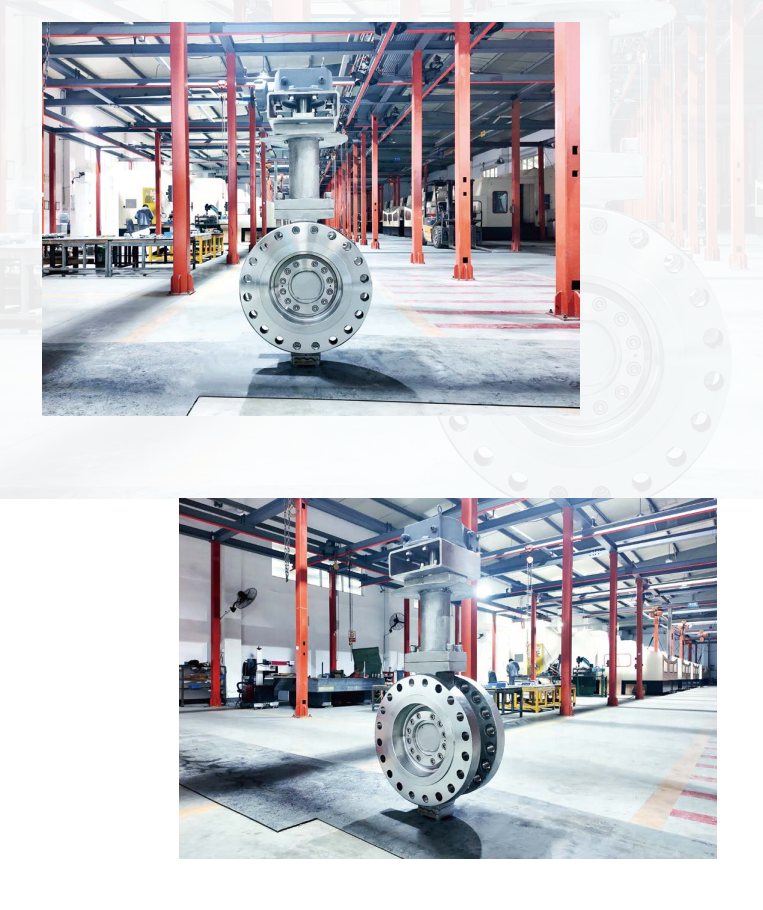
Body, disc, stem, seat, seals, and fasteners may all require different materials.
Ignoring Actuator Requirements
Automated valves must be correctly sized for operating torque.
Failing to Define Testing Requirements
Testing should be specified before production.
Not Controlling Drawing Revisions
EPC projects can involve multiple revisions. Manufacturing should only follow the approved version.
Process Valve Supplier Qualification Checklist
Before approving a supplier, consider:
- Manufacturing capability
- Relevant valve product range
- Material options
- Pressure ratings
- Size range
- Actuator capability
- Quality control system
- Pressure testing capability
- Inspection support
- Technical documentation
- Traceability
- Customization capability
- Production capacity
- Export experience
- Lead-time reliability
- After-sales support
This checklist can help purchasing and engineering teams make a more objective supplier comparison.
How a Reliable Process Valve Supplier Adds Value
The best supplier relationship isn’t simply about shipping valves.
A strong supplier can contribute during several stages:
Engineering → Selection → Quotation → Technical Review → Manufacturing → Testing → Documentation → Delivery → Commissioning
This approach can identify technical issues early, reduce procurement errors, and improve project coordination.
For industrial users, it can also create a long-term source for:
- Replacement valves
- Spare parts
- Actuators
- Maintenance support
- New projects
- Customized valve solutions
That makes supplier selection a strategic decision rather than a one-time purchasing exercise.
Frequently Asked Questions
What is a process valve supplier?
A process valve supplier provides valves used to isolate, regulate, direct, or prevent the flow of fluids in industrial processes. Depending on its capabilities, the supplier may also provide actuators, accessories, testing, documentation, and technical support.
Which valves are commonly used in process industries?
Common valve types include butterfly valves, gate valves, globe valves, ball valves, check valves, and plug valves. The appropriate type depends on the required function and process conditions.
How do I choose the right process valve supplier?
Evaluate product quality, technical expertise, material options, testing capabilities, documentation, customization, manufacturing capacity, delivery performance, and after-sales support.
What information should I send to a process valve supplier?
Provide valve type, size, pressure rating, fluid, temperature, pressure, flow rate, connection type, materials, seat requirements, actuator requirements, applicable standards, quantity, and delivery schedule.
Can a process valve supplier provide customized valves?
Many manufacturers can provide customized configurations, depending on technical feasibility. Customization can include materials, seats, coatings, dimensions, actuators, accessories, and connection standards.
Why is valve material compatibility important?
The wrong material can corrode or deteriorate when exposed to the process fluid. Compatibility should be evaluated for the entire wetted assembly, including the body, disc, shaft, seat, and seals.
Can butterfly valves be used in process applications?
Yes. Butterfly valves are widely used in many process applications, particularly water, wastewater, cooling systems, HVAC, and selected industrial services. More demanding conditions may require offset or metal-seated designs.
What should an EPC contractor expect from a process valve supplier?
An EPC contractor should expect accurate quotations, technical review, approved drawings, quality control, testing, complete documentation, reliable delivery, and responsive communication throughout the project.
Why is documentation important when purchasing process valves?
Documentation demonstrates compliance with project requirements and supports inspection, commissioning, maintenance, traceability, and final project handover.
Conclusion
Choosing the right process valve supplier is an important step toward building a reliable industrial piping system. The best supplier should combine manufacturing capability with technical knowledge, quality control, testing, documentation, customization, and dependable delivery.
The selection process should begin with the actual application: fluid, pressure, temperature, flow rate, valve function, materials, connection, and automation requirements. Once these factors are defined, suppliers can be compared on their ability to provide a complete and technically appropriate solution.
For EPC contractors and industrial end users, a strong supplier can provide value throughout the entire project—from initial engineering discussions to manufacturing, inspection, delivery, and after-sales support.
Ultimately, the right process valve supplier isn’t simply the one with the lowest quotation. It’s the partner that can consistently provide the right valve, the right materials, reliable quality, accurate documentation, and dependable project support.