
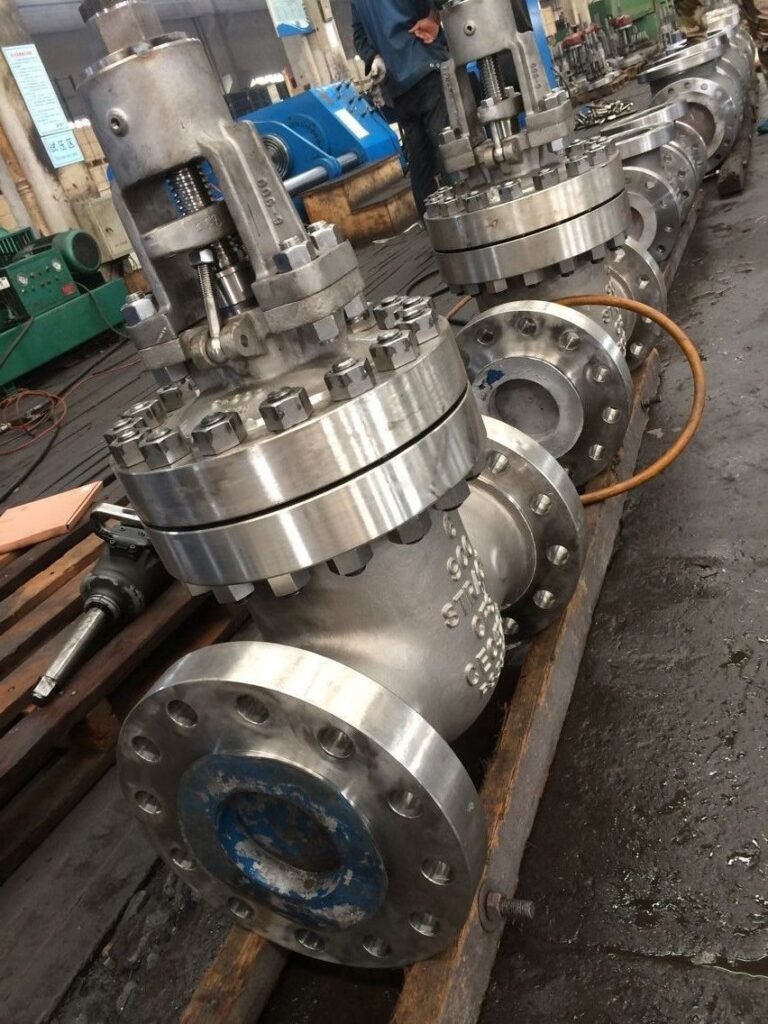
Industrial valve requirements aren’t always simple enough to solve with an off-the-shelf product. When a project involves unusual pressure, temperature, corrosive fluids, large pipeline sizes, demanding shut-off requirements, automation, or strict engineering specifications, a standard catalog valve may not be the best fit.
That’s where engineered valve solutions become important.
Engineered valve solutions combine valve design, material selection, hydraulic requirements, actuation, testing, documentation, and project specifications into one coordinated solution. Instead of choosing a valve based only on size and pressure rating, engineers evaluate the complete operating environment.
This approach is particularly valuable for EPC contractors, system integrators, plant operators, and industrial equipment manufacturers working in water treatment, desalination, chemical processing, oil and gas, power generation, HVAC, marine systems, and other demanding applications.
For projects requiring flanged valve connections, you can also explore our flanged valve product range.
What Are Engineered Valve Solutions?
Engineered valve solutions are valve products or valve assemblies designed and configured around specific project or process requirements.
A standard valve might be selected from a catalog based on:
- Size
- Pressure rating
- Material
- Connection
An engineered solution goes further.
It may consider:
- Fluid chemistry
- Flow rate
- Pressure drop
- Temperature
- Corrosion
- Abrasion
- Leakage requirements
- Operating frequency
- Valve torque
- Actuator requirements
- Installation conditions
- Automation
- Inspection
- Documentation
The result is a valve configuration designed to meet the actual application rather than simply fitting the pipeline.
Why Engineered Valve Solutions Matter
A valve is only one part of a larger process system.
For example, a valve may have the correct nominal diameter but still perform poorly because:
- The seat isn’t compatible with the fluid.
- The actuator doesn’t provide enough torque.
- The pressure rating is inadequate at operating temperature.
- The valve is oversized for the required flow.
- The materials aren’t suitable for corrosion conditions.
- The valve isn’t appropriate for continuous throttling.
These problems can result in leakage, downtime, maintenance, or even process failure.
An engineered approach addresses these factors before the valve reaches the job site.
1. Start With the Process Conditions
The first step in developing an engineered valve solution is understanding the process.
Important information includes:
| Parameter | Why It Matters |
|---|---|
| Fluid | Determines material compatibility |
| Flow rate | Determines valve capacity |
| Pressure | Determines pressure rating and torque |
| Temperature | Affects materials and sealing |
| Pipe size | Determines valve dimensions |
| Pressure drop | Influences hydraulic performance |
| Operating frequency | Affects wear and actuator selection |
| Fluid solids | May affect seat and disc durability |
| Corrosion | Determines material requirements |
| Control requirement | Determines valve design |
The more accurate the process information, the more reliable the valve selection will be.
2. Custom Valve Material Selection
Material selection is often one of the most important aspects of an engineered solution.
Common valve body materials include:
- Cast iron
- Ductile iron
- Carbon steel
- Stainless steel
- Aluminum bronze
- Specialized alloys
But selecting the body material isn’t enough.
Engineers should also consider:
- Disc material
- Shaft material
- Seat material
- Seal material
- Fasteners
- Coatings
Example: Corrosive Service
A valve installed in a corrosive environment may require a corrosion-resistant body and disc, but the elastomer seat must also be chemically compatible.
Example: Seawater
Seawater applications can require careful consideration of corrosion resistance for wetted components. Material selection may include stainless steels, duplex materials, aluminum bronze, or other suitable alloys depending on the service.
3. Engineered Butterfly Valve Solutions
Butterfly valves are particularly suitable for engineered solutions because there are several designs and configuration options.
Concentric Butterfly Valves
Commonly used for:
- Water
- HVAC
- Cooling water
- Wastewater
- General industrial service
They’re relatively compact and economical.
Double Offset Butterfly Valves
The offset shaft arrangement reduces sliding contact between the disc and seat.
Potential benefits include:
- Reduced friction
- Lower seat wear
- Improved durability
- Suitable performance for more demanding applications
Triple Offset Butterfly Valves
Triple offset designs use a specialized sealing geometry that minimizes rubbing between the disc and seat.
They may be considered for:
- High temperature
- High pressure
- Steam
- Critical isolation
- Metal-seated service
The appropriate design should be selected according to the actual process requirements.
4. Hydraulic Engineering and Valve Sizing
Valve size shouldn’t be selected simply because it matches the pipe.
Engineers should determine:
- Minimum flow
- Normal flow
- Maximum flow
- Available pressure differential
- Fluid density
- Viscosity
- Required Cv
For liquid applications, Cv is commonly used to describe valve flow capacity.
A valve that’s too small can create:
- Excessive pressure drop
- High velocity
- Noise
- Vibration
- Increased energy consumption
An oversized valve can cause poor control resolution.
This is particularly important when the valve is being used for throttling.
5. Pressure and Temperature Engineering
Pressure and temperature should always be evaluated together.
An engineered valve solution should establish:
- Minimum operating pressure
- Normal operating pressure
- Maximum operating pressure
- Minimum temperature
- Normal temperature
- Maximum temperature
Common pressure classifications include:
- PN10
- PN16
- PN25
- Class 150
- Other project-specific ratings
For high-temperature service, the allowable pressure may be lower than the nominal rating at ambient temperature.
Therefore, the manufacturer’s pressure-temperature data should be reviewed before final selection.
6. Engineered Sealing Solutions
Sealing performance is critical to valve reliability.
Common seat and seal materials include:
| Material | Common Considerations |
|---|---|
| EPDM | Water-related service |
| NBR | Selected oil and hydrocarbon applications |
| PTFE | Chemical resistance |
| FKM | Selected hydrocarbon and chemical services |
| Metal | High-temperature/severe service |
There isn’t a universally “best” sealing material.
The correct selection depends on:
- Fluid
- Concentration
- Temperature
- Pressure
- Operating frequency
- Required leakage performance
For demanding applications, the seat design itself may also need to be engineered.
7. Automated and Actuated Valve Solutions
Many industrial projects require valves that can be controlled remotely.
An engineered package may combine:
Valve + Actuator + Controls + Accessories
Electric Actuators
Suitable for applications requiring:
- Remote operation
- Position control
- PLC integration
- Modulating operation
Pneumatic Actuators
Common in industrial process plants.
Potential advantages include:
- Fast operation
- Simple quarter-turn automation
- Good suitability for hazardous industrial environments when appropriately configured
Hydraulic Actuators
Can provide high torque and may be suitable for specialized heavy-duty applications.
8. Actuator Torque Engineering
Actuator selection shouldn’t be based solely on valve size.
The required torque can be affected by:
- Differential pressure
- Seat friction
- Fluid conditions
- Valve orientation
- Temperature
- Operating frequency
- Valve design
The actuator must provide adequate torque under the worst expected operating condition.
A safety margin may also be required according to the manufacturer’s engineering practice or project specification.
An incorrectly sized actuator can result in:
- Failure to open
- Failure to close
- Slow operation
- Excessive mechanical loading
- Premature actuator failure
9. Custom Connections and Dimensions
Industrial projects don’t always use identical piping standards.
An engineered valve solution may need to accommodate:
- Wafer connections
- Lug connections
- Flanged connections
- Threaded connections
- Butt-weld connections
- Special flange standards
- Custom face-to-face dimensions
Dimensional compatibility should be checked before manufacturing.
For large projects, the valve’s:
- Face-to-face dimension
- Flange drilling
- Bolt pattern
- Bore
- Actuator mounting
may all need to match the project drawings.
10. Special Coatings and Corrosion Protection
External and internal coatings can be important in aggressive environments.
Potential requirements include:
- Epoxy coating
- Special corrosion-resistant coatings
- Marine-grade protection
- Internal lining
- Protective surface treatments
The coating specification should consider:
- Fluid
- Environment
- Temperature
- Surface preparation
- Required coating thickness
- Application method
Coating quality can be especially important for buried, outdoor, marine, and wastewater applications.
11. Engineered Valve Solutions for Difficult Fluids
Different process media create different challenges.
Water
Focus areas include:
- Corrosion resistance
- Seat compatibility
- Leakage performance
- Pressure rating
Wastewater
Potential challenges include:
- Solids
- Abrasion
- Corrosion
- Debris
Seawater
The major concern is often corrosion resistance.
Chemicals
Material compatibility becomes critical.
Oil and Hydrocarbons
Seat, seal, body, pressure, and temperature requirements should be evaluated together.
Steam
High temperature and pressure require suitable valve design, materials, and sealing technology.
12. Engineered Valve Solutions for EPC Contractors
EPC projects often require more than a valve.
They may need:
- Technical datasheets
- General arrangement drawings
- Material certificates
- Inspection plans
- Pressure test reports
- Actuator documentation
- Certificates of conformity
- Operation manuals
- Packing documentation
A supplier supporting EPC projects should understand document control and technical revision management.
Typical Workflow
RFQ → Technical Review → Clarification → Quotation → Drawing Approval → Manufacturing → Inspection → Documentation → Shipment
This structured workflow can reduce technical errors and procurement delays.
13. Testing and Quality Assurance
Engineered valves should be tested according to applicable standards and project requirements.
Potential tests include:
Shell Test
Verifies pressure integrity of the valve body.
Seat Leakage Test
Checks shut-off performance.
Functional Test
Verifies proper operation.
Dimensional Inspection
Confirms compliance with drawings.
Actuator Testing
Checks the valve-actuator assembly.
Coating Inspection
Verifies specified coating requirements.
For critical projects, customer or third-party inspection may also be required.
14. Documentation and Traceability
Traceability becomes particularly important when a project includes hundreds or thousands of valves.
A proper identification system can connect each valve with its manufacturing records.
Useful information may include:
- Valve tag
- Serial number
- Size
- Pressure rating
- Material
- Heat number
- Test record
- Purchase order
- Drawing revision
This information can be valuable during commissioning and future maintenance.
15. Lifecycle Cost and Maintenance
An engineered solution should consider more than initial purchase price.
Lifecycle costs can include:
- Installation
- Energy consumption
- Maintenance
- Spare parts
- Actuator servicing
- Downtime
- Replacement
- Disposal
For example, selecting a valve with a slightly higher initial price may be worthwhile if it provides longer seat life and lower maintenance requirements.
A lifecycle approach helps identify the lowest total cost, rather than simply the lowest purchase price.
Engineered Valve Solutions Selection Checklist
Before requesting a quotation, prepare:
- Fluid type
- Fluid concentration
- Minimum pressure
- Normal pressure
- Maximum pressure
- Minimum temperature
- Maximum temperature
- Minimum flow
- Normal flow
- Maximum flow
- Valve function
- Valve size
- Required Cv
- Pressure drop
- Body material
- Disc/trim material
- Seat material
- Connection standard
- Actuator type
- Required torque
- Leakage requirement
- Testing requirements
- Documentation requirements
- Delivery schedule
Providing this information early allows the supplier to develop a more accurate solution.
Common Mistakes in Engineered Valve Selection
Selecting by Size Alone
Pipe diameter doesn’t tell you everything about valve performance.
Ignoring the Process Medium
The same valve configuration may not be suitable for water and corrosive chemicals.
Using Generic Material Charts
Actual fluid concentration and temperature can change material compatibility.
Ignoring Pressure Drop
A valve that creates excessive pressure loss can increase energy consumption.
Underestimating Torque
Actuators need sufficient torque under actual operating conditions.
Ignoring Maintenance
The easiest valve to purchase isn’t necessarily the easiest valve to maintain.
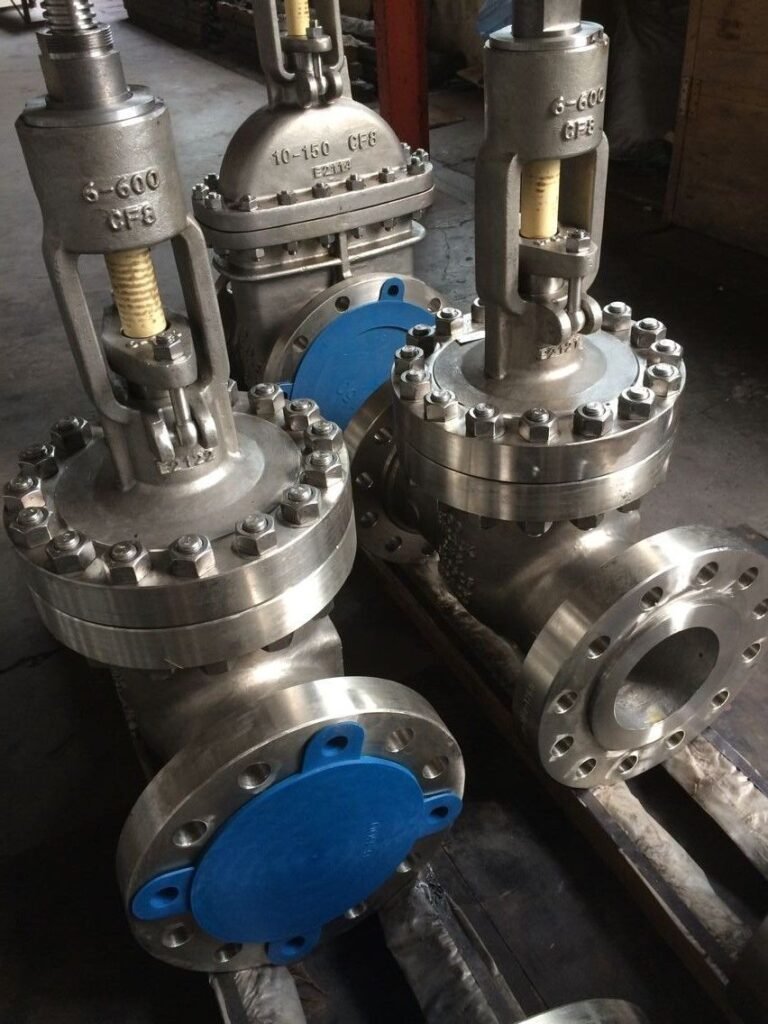
Leaving Documentation Until the End
Project documentation should be defined before manufacturing starts.
How to Choose an Engineered Valve Supplier
When evaluating a supplier, look beyond the product catalog.
Consider:
| Evaluation Factor | What to Check |
|---|---|
| Engineering capability | Can they develop application-specific solutions? |
| Manufacturing | Can they produce the required configuration? |
| Materials | Do they offer suitable materials and seats? |
| Testing | Can they perform required inspections? |
| Documentation | Can they provide complete project documents? |
| Customization | Can they handle non-standard requirements? |
| Actuation | Can they supply integrated valve packages? |
| Capacity | Can they meet project quantities? |
| Delivery | Can they meet the project schedule? |
| Support | Do they provide technical assistance? |
A supplier with strong engineering and manufacturing capability can become a valuable long-term partner for complex projects.
Frequently Asked Questions
What are engineered valve solutions?
Engineered valve solutions are valve products or assemblies configured around specific process, mechanical, hydraulic, and project requirements rather than selected solely from standard catalog specifications.
When is an engineered valve solution necessary?
It’s especially useful for high-pressure, high-temperature, corrosive, abrasive, large-diameter, automated, or otherwise unusual applications where a standard valve may not meet all requirements.
What information is needed to engineer a valve solution?
Important information includes fluid, pressure, temperature, flow rate, pipe size, pressure drop, valve function, connection standard, materials, leakage requirements, operating frequency, and actuator requirements.
Can butterfly valves be engineered for demanding applications?
Yes. Concentric, double-offset, and triple-offset butterfly valves can be configured for different operating conditions. Material, seat, pressure rating, actuator, and sealing requirements should be evaluated for each application.
How is actuator torque determined?
Required torque depends on valve design, differential pressure, seat friction, temperature, operating conditions, and other factors. Manufacturer torque data should be used to select the actuator appropriately.
What materials are commonly used in engineered valves?
Common materials include ductile iron, cast iron, carbon steel, stainless steel, aluminum bronze, and specialized alloys. Seat and seal materials may include EPDM, NBR, PTFE, and FKM.
Are engineered valve solutions more expensive than standard valves?
They can have a higher initial cost because they may require customized materials, dimensions, actuation, testing, or documentation. However, the correct solution can reduce lifecycle costs by improving reliability and reducing maintenance or downtime.
Can engineered valves be supplied with actuators?
Yes. Many valve manufacturers and engineering suppliers can provide complete assemblies incorporating electric, pneumatic, or hydraulic actuators and accessories.
Why are testing and documentation important for engineered valves?
Testing verifies that the valve meets specified performance requirements, while documentation provides evidence of compliance and supports inspection, commissioning, traceability, and maintenance.
Conclusion
Engineered valve solutions provide a practical way to address industrial applications where standard catalog products may not be enough. By considering the complete operating environment—including fluid, pressure, temperature, flow, materials, sealing, actuation, installation, testing, and documentation—engineers can develop a valve configuration that better matches the actual process.
The most effective approach starts with accurate process data and continues through technical review, material selection, hydraulic sizing, actuator selection, manufacturing, inspection, and final documentation.
For EPC contractors and industrial operators, this approach can reduce specification errors, improve equipment reliability, simplify commissioning, and lower lifecycle costs.
The right engineered valve isn’t simply the valve that fits the pipe. It’s the valve solution that fits the process.