
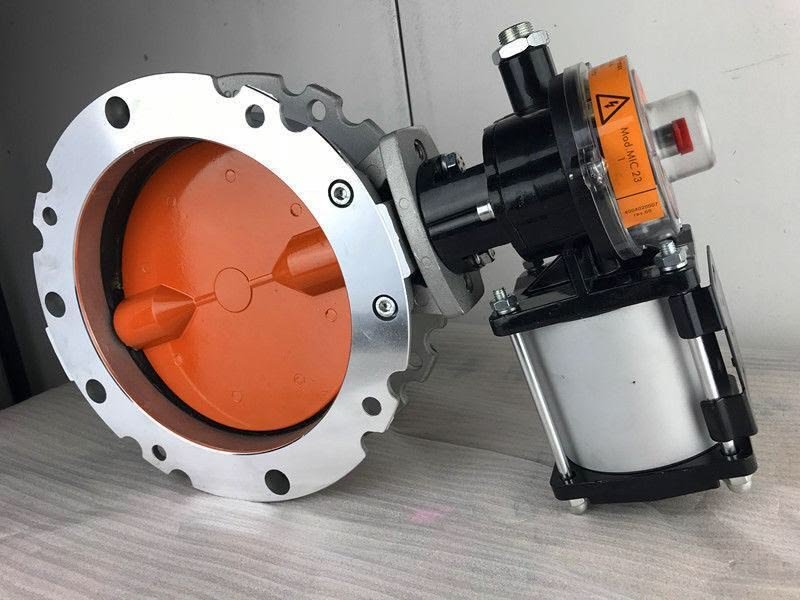
Industrial companies often require valves that meet specific project requirements rather than standard catalog specifications. Different industries may need unique dimensions, materials, pressure ratings, connection standards, branding requirements, or automation configurations.
This is where industrial valve OEM service becomes valuable.
An OEM (Original Equipment Manufacturer) service allows companies to work with an experienced valve manufacturer to produce customized valves under their own specifications, brand requirements, or engineering standards.
Instead of investing in their own manufacturing facilities, many distributors, engineering companies, and equipment manufacturers partner with professional valve factories to develop reliable products efficiently.
A qualified OEM valve partner can support the entire process, including product design, material selection, prototype development, manufacturing, inspection, testing, documentation, and delivery.
For industrial projects requiring flanged valve products, you can also explore our flanged valve product range.
What Is Industrial Valve OEM Service?
Industrial valve OEM service refers to a manufacturing arrangement where a valve producer manufactures products according to another company’s requirements.
The OEM supplier may manufacture:
- Standard valves with customer branding
- Modified catalog valves
- Fully customized valve designs
- Special material configurations
- Complete valve assemblies
- Actuated valve packages
The customer may provide:
- Technical drawings
- Product specifications
- Existing designs
- Brand requirements
- Market requirements
Alternatively, the OEM manufacturer may provide engineering assistance to develop the final product.
A professional OEM relationship is not simply about putting a logo on a valve. It involves technical cooperation to create products that meet performance, quality, and market expectations.
Why Companies Choose Industrial Valve OEM Service
Many companies choose OEM manufacturing because building an internal valve production capability requires significant investment.
A valve factory requires:
- Manufacturing equipment
- Skilled engineers
- Machining capability
- Testing facilities
- Quality systems
- Supply chain management
- Production experience
By cooperating with an OEM supplier, companies can access these capabilities without creating their own factory.
Main Benefits Include:
Reduced Manufacturing Investment
Companies can develop valve products without purchasing expensive production equipment.
Faster Market Expansion
OEM manufacturing allows companies to introduce new valve products more quickly.
Access to Manufacturing Expertise
Experienced factories understand:
- Valve design
- Casting
- Machining
- Assembly
- Testing
- Quality control
Flexible Product Development
OEM services can support both small modifications and large customized projects.
Consistent Product Supply
A reliable manufacturing partner can provide stable production capacity for long-term business growth.
Types of Industrial Valve OEM Services
OEM cooperation can take several forms depending on customer needs.
1. Private Label Valve Manufacturing
The manufacturer produces standard or customized valves using the customer’s:
- Brand name
- Packaging
- Labels
- Documentation format
This model is common for distributors and valve suppliers.
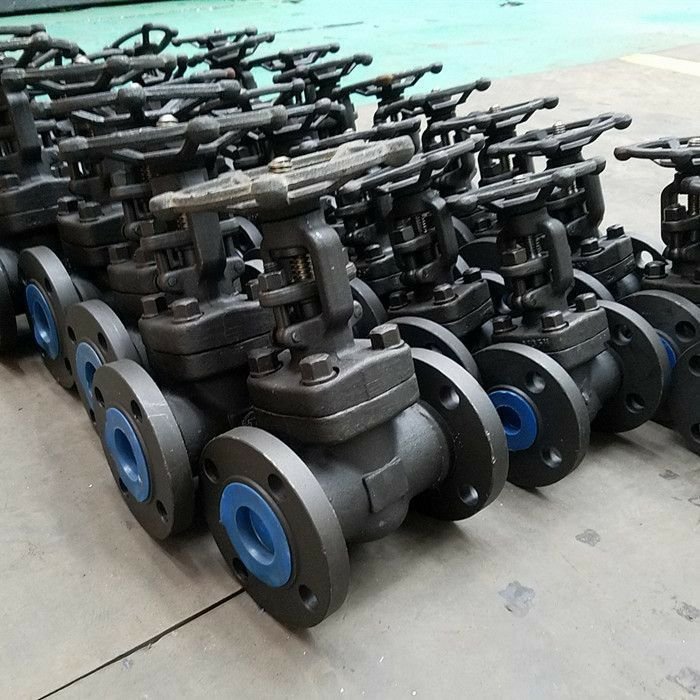
2. Customized Valve Manufacturing
Some customers need modifications to existing valve designs.
Examples include:
- Different materials
- Special coatings
- Custom dimensions
- Modified connections
- Special seat materials
- Different pressure ratings
This approach provides a balance between standard production efficiency and application-specific requirements.
3. Complete Valve Design and Development
For more complex projects, an OEM supplier may assist with:
- Concept development
- Engineering drawings
- Prototype manufacturing
- Testing
- Production optimization
This is suitable for companies developing new valve products.
4. Valve Assembly OEM Service
Some customers require complete valve assemblies.
A package may include:
- Valve body
- Actuator
- Gearbox
- Position indicators
- Limit switches
- Control accessories
The OEM supplier manages component compatibility and final assembly.
Common Valve Products Available Through OEM Manufacturing
A professional valve OEM manufacturer may produce various industrial valve types.
Butterfly Valves
Butterfly valves are commonly customized for:
- Water systems
- Wastewater
- HVAC
- Cooling systems
- Industrial pipelines
OEM options may include:
- Body materials
- Disc materials
- Seat materials
- Connection standards
- Actuation options
Gate Valves
Gate valve OEM services may include customization of:
- Pressure class
- Materials
- Stem design
- Coatings
- Operating accessories
They are widely used for isolation applications.
Ball Valves
Ball valve OEM production can include:
- Floating ball designs
- Trunnion-mounted designs
- Manual operation
- Automated assemblies
Applications include:
- Chemical processing
- Oil and gas
- Industrial systems
Check Valves
OEM check valve manufacturing may focus on:
- Flow direction control
- Pressure requirements
- Disc design
- Spring selection
- Material compatibility
Industrial Valve OEM Service Manufacturing Process
A reliable OEM supplier should have a structured production process.
Step 1: Technical Requirement Review
The manufacturer reviews:
- Drawings
- Specifications
- Standards
- Materials
- Application requirements
Potential technical issues should be identified before production begins.
Step 2: Engineering Confirmation
The engineering team confirms:
- Valve design
- Dimensions
- Material selection
- Manufacturing feasibility
- Testing requirements
Approved drawings should become the manufacturing reference.
Step 3: Prototype Development
For new products, prototype production may be required.
Prototype evaluation can include:
- Dimensional checks
- Assembly verification
- Functional testing
- Performance evaluation
Step 4: Manufacturing
Production may include:
- Casting
- Forging
- Machining
- Welding
- Assembly
- Surface treatment
- Painting
Manufacturing procedures should follow approved specifications.
Step 5: Inspection and Testing
Quality checks may include:
- Material inspection
- Dimensional inspection
- Pressure testing
- Leakage testing
- Functional testing
- Coating inspection
Testing requirements should be defined before production.
Step 6: Packaging and Delivery
OEM suppliers may provide:
- Custom packaging
- Product labels
- Shipping documents
- Export documentation
Proper packaging helps protect valves during transportation.
Material Selection in Valve OEM Manufacturing
Material selection is one of the most important parts of OEM valve production.
Common materials include:
| Valve Component | Common Materials |
|---|---|
| Body | Cast iron, ductile iron, carbon steel, stainless steel |
| Disc | Stainless steel, ductile iron, aluminum bronze |
| Ball | Stainless steel, carbon steel with coating |
| Stem | Stainless steel and alloy materials |
| Seat | EPDM, NBR, PTFE, FKM, metal |
Selection depends on:
- Fluid type
- Pressure
- Temperature
- Corrosion
- Abrasion
- Service environment
A professional OEM manufacturer should evaluate the complete valve assembly rather than selecting materials individually.
Quality Control Requirements for Industrial Valve OEM Service
Quality consistency is essential for OEM customers because their reputation depends on the supplied products.
A strong quality system may include:
Incoming Material Inspection
Checks:
- Material certificates
- Chemical composition
- Mechanical properties
Machining Inspection
Checks:
- Dimensions
- Tolerances
- Surface quality
Assembly Inspection
Verifies:
- Correct component installation
- Valve operation
- Sealing performance
Pressure Testing
Common tests include:
- Shell test
- Seat leakage test
Final Inspection
Checks:
- Appearance
- Marking
- Packaging
- Documentation
OEM Valve Customization Options
Industrial customers may require various customization options.
Common OEM modifications include:
Brand Customization
- Logo
- Nameplate
- Packaging
- Manuals
Design Customization
- Special dimensions
- Modified structures
- Different connections
Material Customization
- Special alloys
- Alternative sealing materials
- Corrosion-resistant components
Performance Customization
- Higher pressure ratings
- Temperature requirements
- Special leakage standards
Automation Customization
- Electric actuators
- Pneumatic actuators
- Hydraulic actuators
- Control accessories
Industrial Valve OEM Service for EPC Projects
EPC contractors often require suppliers that can provide complete technical support.
OEM suppliers may support:
- Valve schedules
- Technical submittals
- Drawings
- Material documentation
- Inspection plans
- Testing reports
- Delivery coordination
A typical EPC valve procurement process includes:
Specification Review → Technical Approval → Manufacturing → Inspection → Documentation → Shipment
A capable OEM partner understands the importance of:
- Document control
- Traceability
- Delivery schedules
- Project specifications
How to Choose an Industrial Valve OEM Partner
Selecting the right OEM supplier requires careful evaluation.
Consider:
| Evaluation Area | Key Questions |
|---|---|
| Manufacturing capability | Can they produce the required valve type? |
| Engineering support | Can they assist with design improvements? |
| Quality system | Are inspection procedures established? |
| Testing capability | Can they perform required tests? |
| Production capacity | Can they handle your volume? |
| Customization | Can they meet special requirements? |
| Documentation | Can they provide complete records? |
| Communication | Are technical responses efficient? |
| Experience | Do they have similar project experience? |
A strong OEM partner should act as a technical extension of your company.
Common Mistakes When Selecting an Industrial Valve OEM Supplier
Choosing Only Based on Price
Low pricing may result from reduced material quality, limited testing, or weak quality control.
Ignoring Manufacturing Capability
A supplier should have actual production capability rather than relying only on outsourcing.
Not Confirming Technical Details
Small specification differences can cause major problems during installation.
Skipping Prototype Testing
For customized products, prototype validation can prevent future failures.
Ignoring Documentation Requirements
OEM customers often need consistent technical documents for their own customers.
Failing to Discuss Long-Term Cooperation
A good OEM relationship depends on stable communication and continuous improvement.
Industrial Valve OEM Service Checklist
Before starting cooperation, confirm:
- Valve type
- Product specifications
- Drawings
- Materials
- Pressure ratings
- Temperature requirements
- Connection standards
- Seat materials
- Testing requirements
- Quality standards
- Branding requirements
- Packaging requirements
- Documentation requirements
- Production capacity
- Delivery schedule
- After-sales support
Frequently Asked Questions
What is industrial valve OEM service?
Industrial valve OEM service is a manufacturing partnership where a valve factory produces products according to another company’s specifications, designs, branding, or market requirements.
What valves can be produced through OEM service?
OEM manufacturers can produce butterfly valves, gate valves, ball valves, check valves, control valves, and other industrial valve products depending on their capabilities.
Can OEM valve manufacturers customize products?
Yes. OEM customization may include materials, dimensions, pressure ratings, coatings, seats, actuators, accessories, branding, and packaging.
What information is needed for an OEM valve project?
Important information includes valve type, size, pressure rating, application, fluid, temperature, materials, standards, drawings, testing requirements, and branding requirements.
What is the difference between OEM and standard valve purchasing?
Standard purchasing involves buying existing catalog products. OEM service involves manufacturing products according to specific customer requirements, often including customization and branding.
Can an OEM valve supplier provide actuated valve assemblies?
Yes. Many OEM manufacturers can provide complete assemblies with electric, pneumatic, or hydraulic actuators and accessories.
How do I evaluate an industrial valve OEM manufacturer?
Evaluate manufacturing capability, engineering support, quality control, testing, customization ability, production capacity, documentation, communication, and industry experience.
Why is quality control important in OEM valve manufacturing?
OEM customers sell or integrate these products under their own business name, so consistent quality is essential for customer satisfaction and long-term reputation.
Can OEM valve suppliers support international projects?
Many experienced OEM manufacturers support export projects by providing international standards compliance, documentation, packaging, and logistics coordination.
Conclusion
Choosing the right industrial valve OEM service partner can help companies expand their product range, reduce manufacturing investment, and access professional valve production capabilities.
A successful OEM relationship requires more than manufacturing. It requires engineering cooperation, reliable quality control, accurate documentation, flexible customization, and consistent delivery.
Whether the requirement involves customized butterfly valves, automated valve assemblies, special materials, or complete industrial valve solutions, the right OEM manufacturer can become a valuable long-term partner.
The best OEM supplier is not simply a factory that produces valves. It is a manufacturing partner that understands your requirements, protects your product quality, and helps you deliver reliable solutions to your customers.