
Industrial valves are rarely used as completely isolated components. Many applications require a valve to work together with an actuator, gearbox, position indicator, limit switch, solenoid valve, positioner, or other accessories.
This is why choosing the right valve assembly manufacturer can be just as important as selecting the valve itself.
A professional valve assembly manufacturer can combine the valve and operating components into a complete, tested assembly. This can simplify procurement, improve component compatibility, reduce installation work, and provide clearer responsibility when the equipment reaches the job site.
Valve assemblies are widely used in water treatment, wastewater, HVAC, chemical processing, oil and gas, desalination, power generation, marine systems, and general industrial applications.
For projects requiring flanged valve connections, you can also explore our flanged valve product range.
What Is a Valve Assembly Manufacturer?
A valve assembly manufacturer produces and integrates valves with the components required for operation and control.
Depending on the project, a complete assembly can include:
- Butterfly valve
- Ball valve
- Gate valve
- Globe valve
- Check valve
- Electric actuator
- Pneumatic actuator
- Hydraulic actuator
- Gearbox
- Limit switch
- Position indicator
- Solenoid valve
- Positioner
- Mounting accessories
The manufacturer may also perform:
- Technical selection
- Actuator sizing
- Assembly
- Functional testing
- Pressure testing
- Inspection
- Documentation
- Packaging
The goal is to supply a coordinated product rather than a collection of unrelated components.
Why Choose a Professional Valve Assembly Manufacturer?
Buying valves and actuators separately can create compatibility problems.
For example, the valve may require more operating torque than the actuator can provide. The actuator mounting interface may not match. Electrical or pneumatic accessories may also be configured incorrectly.
A professional assembly manufacturer can address these issues before shipment.
Key Benefits
- Better valve-actuator compatibility
- Simplified procurement
- Reduced installation work
- Factory assembly
- Integrated testing
- Centralized documentation
- Easier troubleshooting
- Clearer supplier responsibility
For large industrial projects, these benefits can make procurement and commissioning much smoother.
1. Types of Valve Assemblies
Different valve designs require different assembly configurations.
Butterfly Valve Assemblies
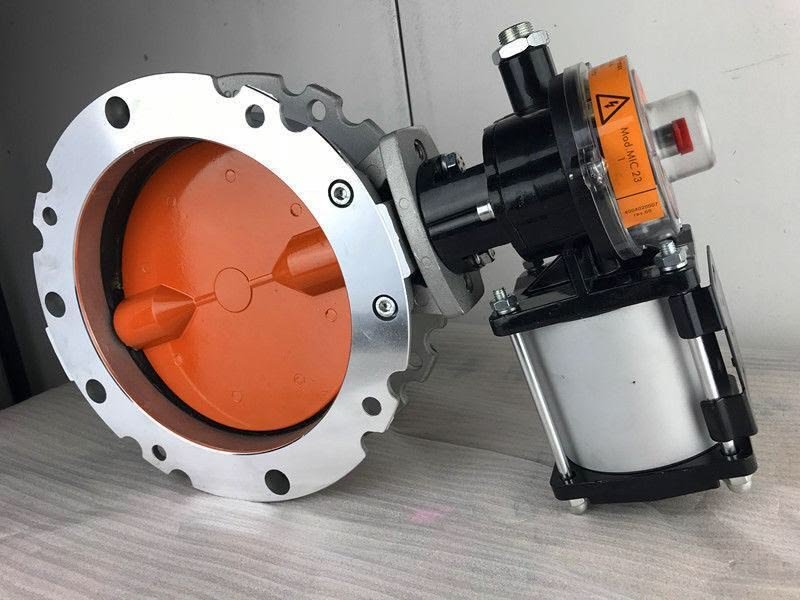
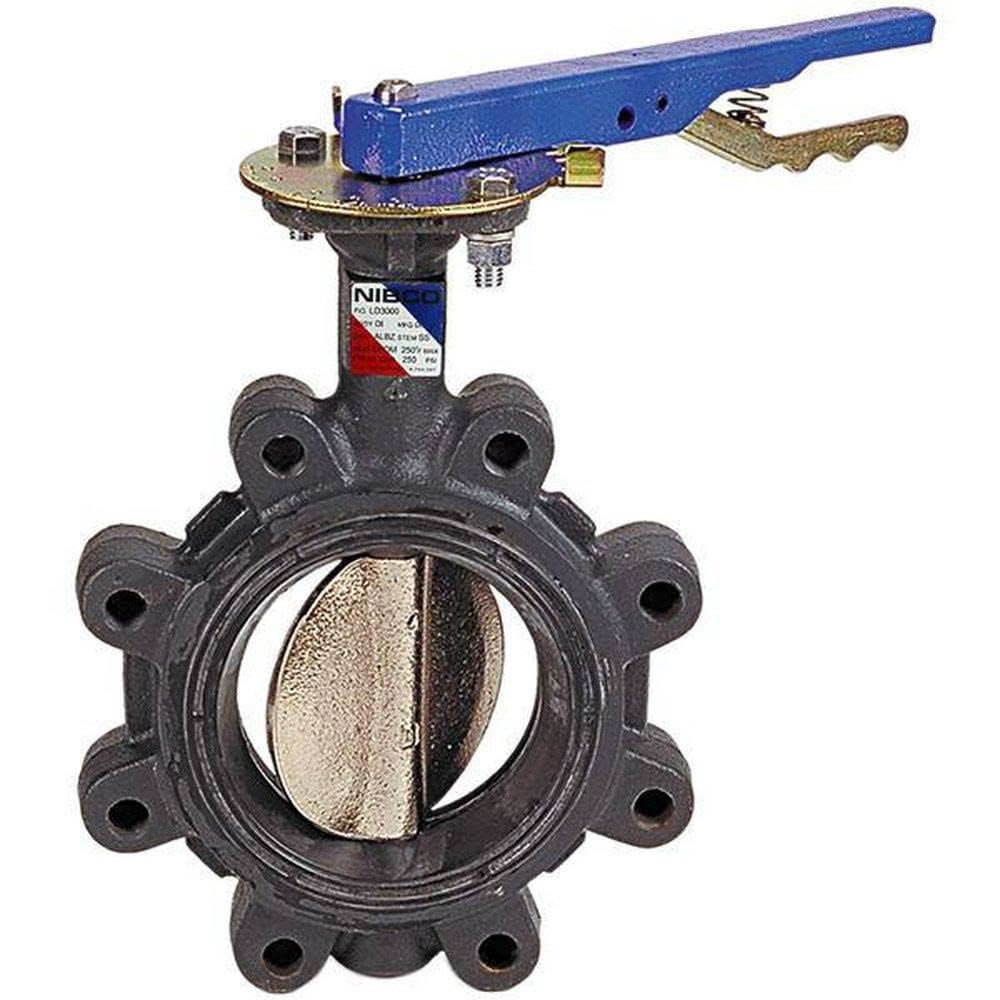
Butterfly valve assemblies are common in large-diameter pipelines.
They may include:
- Butterfly valve
- Manual gearbox
- Electric actuator
- Pneumatic actuator
- Position indicator
- Limit switches
Typical applications include:
- Water treatment
- Wastewater
- HVAC
- Cooling water
- Desalination
- Industrial utilities
Ball Valve Assemblies
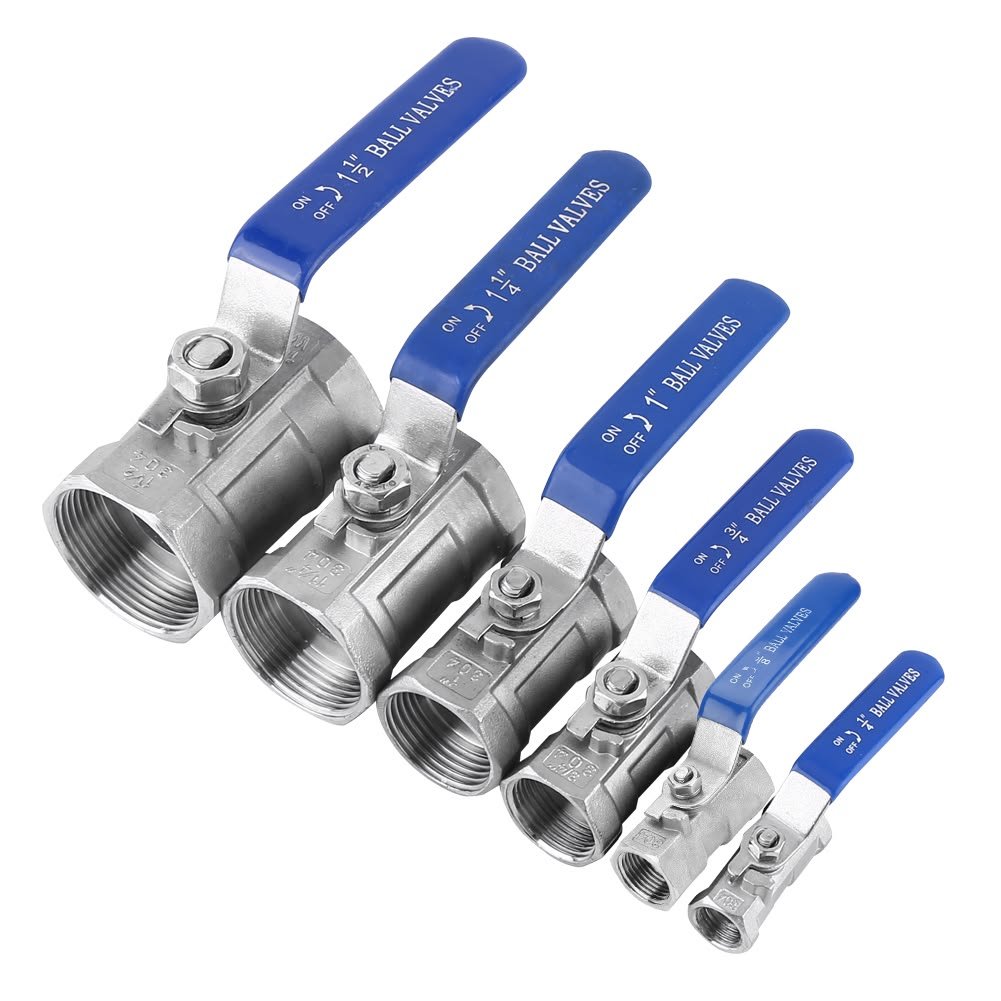
Ball valve assemblies are often used where quick operation and tight shut-off are important.
They can be supplied with:
- Manual lever
- Electric actuator
- Pneumatic actuator
Typical applications include process systems, chemical processing, gas, and oil and gas.
Gate Valve Assemblies
Gate valves generally require multi-turn operation.
An assembly can therefore include an electric multi-turn actuator or manual gearbox depending on the application.
Globe Valve Assemblies
Globe valves are commonly used for flow regulation.
Their assemblies may include specialized actuators and positioners for process control.
2. Valve and Actuator Compatibility
Compatibility is one of the most important responsibilities of a valve assembly manufacturer.
The manufacturer should verify:
- Mounting dimensions
- Stem or shaft connection
- Operating torque
- Actuator output
- Valve travel
- Mechanical limits
- Electrical requirements
- Pneumatic requirements
A valve and actuator can have compatible physical dimensions but still be poorly matched from an operating standpoint.
For example, an actuator may physically fit a butterfly valve but fail to provide enough torque under maximum differential pressure.
3. Actuator Selection
The correct actuator depends on the valve design and operating requirements.
Electric Actuators
Electric actuators are useful for:
- Remote operation
- Automated isolation
- Position control
- PLC integration
- Modulating applications
Important specifications may include:
- Voltage
- Frequency
- Output torque
- Duty cycle
- Protection rating
- Control signal
- Manual override
Pneumatic Actuators
Pneumatic actuators are widely used in industrial automation.
They can provide:
- Fast operation
- Simple quarter-turn automation
- Compact installation
- Easy integration with process controls
Required specifications may include:
- Air pressure
- Operating torque
- Double-acting or spring-return configuration
- Fail position
- Solenoid voltage
Hydraulic Actuators
Hydraulic actuation can be selected where high operating force is required.
4. Valve Assembly Torque Calculation
Torque is particularly important for quarter-turn valves.
Required operating torque can depend on:
- Valve size
- Differential pressure
- Seat friction
- Fluid conditions
- Temperature
- Valve design
- Operating frequency
A valve assembly manufacturer should use appropriate torque data when selecting the actuator.
The actuator should provide sufficient output throughout the complete operating cycle.
Fail-Safe Requirements
Some applications require a specific valve position after loss of power or air.
Possible requirements include:
- Fail open
- Fail closed
- Fail in place
These requirements should be established before actuator selection.
5. Valve Materials and Assembly Components
Material selection should cover the complete valve assembly.
Common body materials include:
| Material | Typical Applications |
|---|---|
| Cast iron | General water and HVAC |
| Ductile iron | Water and industrial systems |
| Carbon steel | Industrial applications |
| Stainless steel | Corrosive environments |
| Aluminum bronze | Selected marine and seawater applications |
Internal components may include:
- Stainless steel stems
- Stainless steel discs
- Aluminum bronze discs
- EPDM seats
- NBR seats
- PTFE seats
- FKM seals
- Metal seats
The correct configuration depends on fluid compatibility, pressure, temperature, and service conditions.
6. Valve Assembly Accessories
A complete assembly may require more than a valve and actuator.
Common accessories include:
Limit Switches
Provide open and closed position signals.
Position Indicators
Allow operators to visually identify valve position.
Solenoid Valves
Control pneumatic actuator operation.
Positioners
Used where more precise valve positioning is required.
Air Filter Regulators
Help regulate and condition compressed air for pneumatic systems.
Manual Override
Allows operation during loss of power or other emergencies, depending on the actuator design.
Locking Devices
Can help prevent unauthorized valve operation where required.
The supplier should clearly define which accessories are included in the package.
7. Pressure and Temperature Requirements
The complete valve assembly must be suitable for the process conditions.
Important information includes:
- Nominal pressure
- Maximum operating pressure
- Differential pressure
- Minimum temperature
- Maximum temperature
- Fluid type
Common pressure designations include:
- PN10
- PN16
- PN25
- Class 150
Pressure ratings should be considered together with temperature.
For higher-temperature applications, allowable operating pressure may be lower than the nominal rating at ambient conditions.
8. Valve Assembly Manufacturing Process
A professional manufacturer should use a controlled assembly process.
Step 1: Component Inspection
Check valves, actuators, and accessories before assembly.
Step 2: Dimensional Verification
Confirm mounting interfaces and critical dimensions.
Step 3: Mechanical Assembly
Connect the valve and actuator according to approved procedures.
Step 4: Torque/Thrust Verification
Confirm that actuator output is suitable for the valve.
Step 5: Accessory Installation
Install:
- Limit switches
- Solenoids
- Positioners
- Indicators
- Other specified accessories
Step 6: Functional Testing
Verify opening, closing, travel, and feedback signals.
Step 7: Final Inspection
Check:
- Marking
- Appearance
- Coating
- Assembly
- Documentation
- Packaging
This structured approach helps ensure consistency between production batches.
9. Integrated Testing
One of the main advantages of buying from a valve assembly manufacturer is factory testing of the complete assembly.
Testing can include:
Valve Pressure Testing
Verifies pressure integrity.
Seat Leakage Testing
Checks shut-off performance.
Functional Testing
Confirms that the valve moves correctly.
Actuator Testing
Checks opening and closing performance.
Signal Testing
For automated assemblies, verifies:
- Open signal
- Closed signal
- Position feedback
- Control response
Integrated Assembly Testing
The valve and actuator can be tested together before shipment.
This can reduce commissioning problems at the installation site.
Valve Assembly Manufacturer for EPC Projects
EPC contractors often require complete technical packages rather than individual products.
A typical workflow may be:
RFQ → Technical Review → Quotation → Clarification → Drawing Approval → Assembly → Inspection → Testing → Documentation → Shipment
The manufacturer may need to provide:
- Valve datasheets
- Actuator datasheets
- General arrangement drawings
- Assembly drawings
- Wiring diagrams
- Pneumatic diagrams
- Material certificates
- Pressure test reports
- Functional test reports
- Inspection records
- Certificates
- Operation manuals
- Spare parts lists
Document control is particularly important when a project has multiple revisions.
Custom Valve Assembly Solutions
Industrial applications can require assemblies that aren’t available directly from a standard catalog.
Customization may include:
- Special valve materials
- Special seat materials
- Special coatings
- Extended stems
- Special flange standards
- Custom face-to-face dimensions
- Electric actuation
- Pneumatic actuation
- Hydraulic actuation
- Special control accessories
- Position feedback
- Emergency operation
- Fail-safe operation
The manufacturer should review the technical feasibility of custom requirements before production.
Valve Assembly Applications by Industry
Water Treatment
Common requirements include:
- Large valve sizes
- Reliable isolation
- Corrosion resistance
- Automated operation
Wastewater
The valve assembly may need to handle:
- Solids
- Debris
- Corrosion
- Abrasion
Chemical Processing
Material compatibility becomes especially important.
The valve body, internal components, seats, and seals should all be evaluated against the process medium.
Oil and Gas
Applications may involve:
- High pressure
- Hydrocarbons
- High temperatures
- Automated isolation
- Strict testing requirements
HVAC
Valve assemblies are commonly used for:
- Chilled water
- Hot water
- Cooling water
Desalination
Seawater service requires careful consideration of corrosion resistance and material selection.
How to Choose a Valve Assembly Manufacturer
A reliable supplier should be evaluated across several areas.
| Evaluation Factor | What to Check |
|---|---|
| Valve manufacturing | Can they produce the required valve? |
| Actuator expertise | Can they correctly size the actuator? |
| Assembly | Do they perform factory assembly? |
| Testing | Can they test the complete package? |
| Materials | Can they provide suitable materials? |
| Customization | Can they meet special requirements? |
| Documentation | Can they provide complete project documents? |
| Capacity | Can they meet the required quantity? |
| Delivery | Can they meet the project schedule? |
| Support | Can they provide technical assistance? |
A supplier that controls both valve production and assembly can often provide better coordination.
Common Mistakes When Selecting a Valve Assembly Manufacturer
Choosing the Lowest Price
A low quotation may not include all required accessories or testing.
Buying Valve and Actuator Separately
Separate suppliers can create compatibility and responsibility issues.
Ignoring Actuator Sizing
Insufficient torque or thrust can prevent reliable operation.
Not Defining Fail Position
Automated valves may need specific behavior during power or air failure.
Forgetting Installation Dimensions
Actuator size can significantly increase the overall assembly dimensions.
Not Checking Maintenance Access
The assembly should be accessible for inspection and servicing.
Leaving Accessories Undefined
Limit switches, solenoids, positioners, and regulators should be specified clearly.
Valve Assembly Manufacturer Procurement Checklist
Before placing an order, confirm:
- Valve type
- Valve size
- Pressure rating
- Fluid
- Operating pressure
- Operating temperature
- Flow rate
- Body material
- Internal materials
- Seat material
- Connection type
- Face-to-face dimension
- Actuator type
- Required torque/thrust
- Fail position
- Control voltage/signal
- Position feedback
- Accessories
- Testing requirements
- Inspection requirements
- Documentation
- Packaging
- Delivery schedule
Valve Assembly Manufacturer vs Component Supplier
There is an important difference between buying individual components and purchasing a complete assembly.
Component Supplier
You may need to coordinate:
- Valve supplier
- Actuator supplier
- Accessory supplier
- Assembly contractor
- Testing provider
Valve Assembly Manufacturer
One supplier can potentially manage:
Valve → Actuator → Accessories → Assembly → Testing → Documentation
This can simplify project management and create a clearer chain of responsibility.
For large industrial projects, that can be a significant advantage.
Frequently Asked Questions
What does a valve assembly manufacturer do?
A valve assembly manufacturer produces valves and integrates them with actuators and other required accessories. The manufacturer may also provide engineering, testing, inspection, documentation, and packaging.
What is included in a valve assembly?
Depending on the application, it can include the valve, actuator, gearbox, position indicator, limit switches, solenoid valve, positioner, mounting hardware, and other accessories.
Can butterfly valves be supplied as complete assemblies?
Yes. Butterfly valves can be supplied with manual gearboxes, electric actuators, pneumatic actuators, hydraulic actuators, and various control accessories.
How is the correct actuator selected?
The actuator is selected according to the valve’s required torque or thrust, differential pressure, temperature, operating frequency, control method, and fail-safe requirements.
Why should the valve and actuator be tested together?
Integrated testing can identify mechanical, electrical, pneumatic, or control problems before the assembly reaches the project site.
Can valve assemblies be customized?
Yes. Customization can include valve materials, seat materials, dimensions, coatings, actuators, accessories, control signals, and special operating requirements.
What industries use valve assemblies?
Valve assemblies are used in water treatment, wastewater, HVAC, chemical processing, oil and gas, desalination, power generation, marine systems, and many other industrial applications.
What documents should a valve assembly manufacturer provide?
Depending on the project, documentation may include datasheets, drawings, material certificates, pressure test reports, functional test reports, actuator documents, certificates, manuals, and packing lists.
What should I consider when choosing a valve assembly manufacturer?
Evaluate manufacturing capability, actuator expertise, assembly quality, testing, materials, customization, documentation, production capacity, delivery reliability, and technical support.
Conclusion
Choosing the right valve assembly manufacturer can simplify industrial valve procurement and improve the reliability of the final installation. Instead of purchasing a valve and actuator separately, customers can receive a coordinated assembly that has been properly selected, assembled, tested, and documented.
The most important factors include valve design, material compatibility, actuator sizing, accessories, pressure and temperature requirements, integrated testing, documentation, and project support.
For EPC contractors, industrial operators, and system integrators, working with a capable valve assembly manufacturer can reduce coordination work and help prevent compatibility problems during installation and commissioning.
Ultimately, a high-quality valve assembly isn’t just a valve with an actuator attached. It’s a complete engineered unit in which every component works together as intended.