
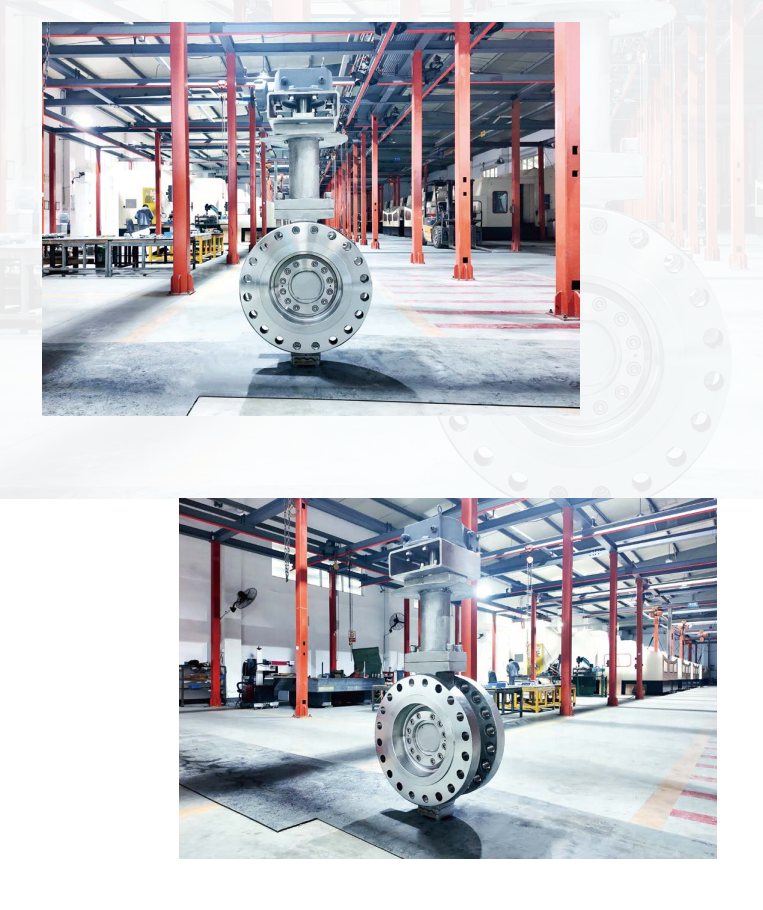
Flow control is essential to the safe and efficient operation of industrial piping systems. Whether a facility transports water, chemicals, steam, oil, gas, or other process media, the right equipment is needed to start, stop, regulate, and direct flow.
Choosing a reliable flow control equipment supplier therefore involves much more than comparing product prices. The supplier needs to understand valve selection, pressure ratings, materials, flow characteristics, actuation, automation, testing, and project requirements.
Industrial flow control equipment can include butterfly valves, ball valves, gate valves, globe valves, check valves, actuators, control accessories, and complete valve assemblies. The best solution depends on the application, operating conditions, and required level of automation.
For industrial projects requiring flanged valve products, you can also explore our flanged valve product range.
What Is Flow Control Equipment?
Flow control equipment consists of devices used to control the movement of fluids through a piping system.
Depending on the application, the equipment may be used to:
- Isolate a pipeline
- Start or stop flow
- Regulate flow
- Control pressure
- Prevent reverse flow
- Divert process media
- Automate valve operation
Common flow control equipment includes:
| Equipment | Main Function |
|---|---|
| Butterfly valve | Isolation and selected flow-control applications |
| Ball valve | Fast shut-off |
| Gate valve | Pipeline isolation |
| Globe valve | Flow regulation |
| Check valve | Prevents reverse flow |
| Control valve | Automatic flow regulation |
| Electric actuator | Automated valve operation |
| Pneumatic actuator | Fast automated operation |
| Hydraulic actuator | High-force operation |
A complete solution may combine several of these components.
Why Choosing the Right Flow Control Equipment Supplier Matters
The supplier can have a direct impact on equipment reliability and project performance.
A suitable supplier should be able to match equipment to the actual process conditions rather than simply recommend a standard product.
Important considerations include:
- Fluid type
- Flow rate
- Pressure
- Temperature
- Pipe size
- Corrosion
- Abrasion
- Required shut-off performance
- Automation requirements
- Applicable standards
A supplier with engineering capabilities can help prevent problems caused by incorrect valve sizing, unsuitable materials, or inadequate actuator selection.
1. Common Types of Flow Control Equipment
Butterfly Valves
Butterfly valves use a rotating disc to control flow.
They’re widely used in:
- Water treatment
- Wastewater
- HVAC
- Cooling water
- Desalination
- General industrial systems
Their compact design makes them particularly attractive for large-diameter pipelines.
Common designs include:
- Concentric butterfly valves
- Double offset butterfly valves
- Triple offset butterfly valves
Ball Valves
Ball valves use a rotating ball with a flow passage.
They’re often selected for fast and reliable shut-off.
Applications include:
- Chemical processing
- Oil and gas
- Gas systems
- Water
- Industrial process piping
Ball valves are particularly useful when quick quarter-turn operation is required.
Gate Valves
Gate valves are primarily used for isolation.
They’re commonly found in:
- Water pipelines
- Oil and gas systems
- Industrial plants
- Utility systems
Gate valves are generally not the first choice for continuous throttling because partially open operation can cause undesirable flow conditions and component wear.
Globe Valves
Globe valves are designed for flow regulation.
Their internal geometry makes them suitable for applications where controlled flow is more important than minimizing pressure loss.
Check Valves
Check valves allow flow in one direction while helping prevent reverse flow.
Common designs include:
- Swing check valves
- Wafer check valves
- Lift check valves
- Dual-plate check valves
2. Flow Control Equipment Material Selection
Material selection should be based on the service environment.
Common valve body materials include:
- Cast iron
- Ductile iron
- Carbon steel
- Stainless steel
- Aluminum bronze
Internal components may use different materials.
For example:
- Stainless steel
- Aluminum bronze
- Carbon steel
- PTFE
- EPDM
- NBR
- FKM
- Metal sealing materials
The correct combination depends on the fluid and operating conditions.
Why Fluid Compatibility Matters
A material that works well with clean water may not be suitable for:
- Concentrated chemicals
- Hydrocarbons
- Seawater
- High-temperature fluids
- Abrasive slurries
A professional supplier should therefore review the complete wetted configuration.
3. Pressure and Temperature Ratings
Every flow control component must be suitable for the expected operating envelope.
Key parameters include:
- Nominal pressure
- Maximum working pressure
- Differential pressure
- Minimum temperature
- Maximum temperature
Common pressure designations include:
- PN10
- PN16
- PN25
- Class 150
The supplier should consider pressure and temperature together.
For some materials and valve designs, allowable pressure decreases as operating temperature increases.
4. Flow Control and Valve Sizing
Correct sizing is essential.
An oversized valve may operate inefficiently, while an undersized valve can create excessive pressure loss or fail to provide the required flow capacity.
Important sizing parameters can include:
- Flow rate
- Inlet pressure
- Outlet pressure
- Differential pressure
- Fluid density
- Fluid viscosity
- Temperature
- Required Cv
- Pipe diameter
For control applications, the supplier may also need to evaluate the valve’s flow characteristics.
Common flow characteristics include:
- Linear
- Equal percentage
- Modified characteristics
The correct characteristic depends on the process and control strategy.
5. Actuated Flow Control Equipment
Modern industrial systems often require remote or automatic operation.
Electric Actuators
Electric actuators are suitable for applications requiring:
- Remote control
- PLC integration
- Position feedback
- Automated isolation
- Modulating operation
Pneumatic Actuators
Pneumatic actuators are widely used where compressed air is available.
Advantages can include:
- Fast response
- Simple automation
- Compact design
- Suitable fail-safe configurations
Hydraulic Actuators
Hydraulic actuators can provide high operating force and may be used in demanding applications.
6. Valve Torque and Actuator Sizing
Actuator sizing is particularly important for quarter-turn valves.
Required torque may depend on:
- Valve size
- Seat design
- Differential pressure
- Fluid conditions
- Temperature
- Operating frequency
- Valve construction
The actuator should provide adequate output throughout the complete operating cycle.
For spring-return pneumatic actuators, the supplier should also verify the available torque at critical positions.
A proper engineering review can prevent issues such as:
- Failure to open
- Failure to close
- Excessive actuator loading
- Premature wear
- Unstable operation
7. Flow Control Automation and Accessories
Automated equipment often requires additional components.
These can include:
Limit Switches
Provide open and closed position feedback.
Position Indicators
Show valve position locally.
Solenoid Valves
Control pneumatic actuators.
Positioners
Provide more precise positioning for control valves.
Air Filter Regulators
Condition and regulate instrument air.
Local Control Stations
Can provide local operation and status indication.
Emergency Accessories
Some applications may require special emergency operation or fail-safe arrangements.
A supplier should clearly identify which accessories are included in the quotation.
8. Industrial Flow Control Equipment for Different Applications
Water Treatment
Water treatment plants commonly require:
- Butterfly valves
- Gate valves
- Check valves
- Actuated valves
The main priorities are often reliable isolation, corrosion resistance, and low maintenance.
Wastewater
Wastewater systems can contain solids and suspended particles.
Valve selection should therefore consider:
- Debris
- Abrasion
- Corrosion
- Maintenance requirements
Chemical Processing
Chemical compatibility is critical.
The body, disc, ball, stem, seat, and seals should all be evaluated.
Oil and Gas
Oil and gas applications may involve demanding:
- Pressure
- Temperature
- Leakage
- Material
- Testing
requirements.
The applicable project and industry standards should be established before equipment selection.
HVAC
Flow control equipment is commonly used in:
- Chilled-water systems
- Hot-water systems
- Cooling-water systems
Desalination
Seawater applications can require careful material selection because of corrosion risks.
9. Quality Control and Testing
A dependable flow control equipment supplier should have established inspection and testing procedures.
Potential tests include:
Shell Pressure Test
Verifies pressure integrity of the valve body.
Seat Leakage Test
Checks shut-off performance.
Functional Test
Confirms correct valve operation.
Actuator Test
Checks the valve-actuator assembly.
Dimensional Inspection
Confirms critical dimensions and connection requirements.
Coating Inspection
Checks surface preparation and coating quality where applicable.
Testing requirements should be defined according to the relevant standards and project specifications.
Flow Control Equipment Supplier for EPC Contractors
EPC contractors often need suppliers that can support an entire procurement process.
A typical workflow can include:
RFQ → Technical Review → Quotation → Clarification → Drawing Approval → Manufacturing → Inspection → Testing → Documentation → Shipment
Project documentation may include:
- Datasheets
- General arrangement drawings
- Material certificates
- Pressure test reports
- Inspection reports
- Actuator documents
- Certificates
- Operation manuals
- Spare parts lists
- Packing lists
Good document control can be especially important for large projects with multiple valve tags and revisions.
Customized Flow Control Equipment
Standard catalog equipment doesn’t always meet project requirements.
A supplier may be able to customize:
- Body materials
- Disc materials
- Seat materials
- Coatings
- Valve dimensions
- Face-to-face dimensions
- Flange standards
- Stem extensions
- Actuators
- Control accessories
- Position feedback
- Fail-safe functions
Before production, customized requirements should be confirmed through approved technical documents.
How to Choose a Flow Control Equipment Supplier
Price matters, but it shouldn’t be the only factor.
Evaluate suppliers based on:
| Evaluation Area | What to Check |
|---|---|
| Product range | Can they supply the required equipment? |
| Engineering | Can they help with selection and sizing? |
| Materials | Can they meet application requirements? |
| Automation | Can they supply complete actuated assemblies? |
| Testing | What inspection and testing is available? |
| Customization | Can they handle special configurations? |
| Documentation | Can they provide project documentation? |
| Capacity | Can they handle your required volume? |
| Delivery | Can they meet the project schedule? |
| Support | Is technical assistance available? |
A supplier that can provide complete solutions may offer greater value than one that simply sells individual valves.
Common Mistakes When Buying Flow Control Equipment
Choosing Equipment Only by Pipe Size
Pipe diameter alone doesn’t determine the correct valve.
Ignoring Pressure Drop
High pressure loss can affect system efficiency and operating costs.
Selecting the Wrong Material
Material incompatibility can lead to corrosion, swelling, cracking, or premature failure.
Undersizing the Actuator
Insufficient torque can prevent reliable valve operation.
Using the Wrong Valve for Throttling
Isolation valves aren’t automatically suitable for continuous flow regulation.
Ignoring Temperature
Pressure ratings and sealing materials can be affected by operating temperature.
Failing to Define Accessories
Automated equipment may require solenoids, limit switches, positioners, regulators, and feedback devices.
Flow Control Equipment Procurement Checklist
Before requesting a quotation, prepare:
- Fluid type
- Fluid concentration
- Flow rate
- Pipe size
- Operating pressure
- Differential pressure
- Operating temperature
- Valve function
- Valve type
- Body material
- Internal materials
- Seat material
- Pressure rating
- Connection standard
- Actuator type
- Required torque/thrust
- Control signal
- Fail position
- Accessories
- Testing requirements
- Inspection requirements
- Documentation
- Delivery requirements
Providing this information early can make the technical selection process much more efficient.
Frequently Asked Questions
What does a flow control equipment supplier provide?
A flow control equipment supplier can provide valves, actuators, control accessories, valve assemblies, and related equipment used to isolate, regulate, direct, or automate fluid flow.
What types of valves are used for flow control?
Common options include butterfly valves, ball valves, gate valves, globe valves, check valves, and control valves. The correct type depends on whether the application requires isolation, regulation, non-return protection, or another function.
How do I choose the right flow control equipment?
Start with the fluid, flow rate, pressure, temperature, pipe size, required function, materials, and automation requirements. These parameters help determine the appropriate valve design and configuration.
Why is valve sizing important?
Incorrect sizing can cause excessive pressure drop, poor control, inefficient operation, or premature wear. Proper sizing considers flow rate, pressure differential, fluid properties, and the required operating range.
Can a flow control equipment supplier provide actuated valves?
Yes. Suppliers may provide complete assemblies using electric, pneumatic, or hydraulic actuators, along with accessories such as limit switches, solenoid valves, and positioners.
What materials are commonly available?
Common body materials include cast iron, ductile iron, carbon steel, stainless steel, and aluminum bronze. Sealing materials can include EPDM, NBR, PTFE, FKM, and metal.
What testing should flow control equipment undergo?
Depending on the product and project, testing can include shell pressure testing, seat leakage testing, functional testing, dimensional inspection, actuator testing, and coating inspection.
Can flow control equipment be customized?
Yes. Customization can involve materials, dimensions, connections, coatings, seats, actuators, accessories, control systems, and special operating requirements.
What industries use flow control equipment?
Flow control equipment is used across water treatment, wastewater, HVAC, chemical processing, oil and gas, desalination, power generation, marine, and general industrial applications.
How can I compare different suppliers?
Compare technical capability, product range, manufacturing quality, material options, testing, engineering support, customization, documentation, production capacity, delivery reliability, and after-sales support—not just the purchase price.
Conclusion
The right flow control equipment supplier can provide much more than individual valves. A capable supplier can help customers select suitable valve designs, materials, actuators, accessories, and complete assemblies based on actual process conditions.
For industrial applications, the most important factors are fluid compatibility, pressure, temperature, flow rate, valve sizing, operating torque, automation, testing, and documentation.
EPC contractors, distributors, system integrators, and industrial operators can benefit from working with suppliers that combine manufacturing capability with engineering support. This approach can reduce procurement complexity and help prevent technical problems during installation and commissioning.
Ultimately, effective flow control starts with the right equipment—but it also depends on choosing a supplier that understands how the equipment needs to perform in the real world.