
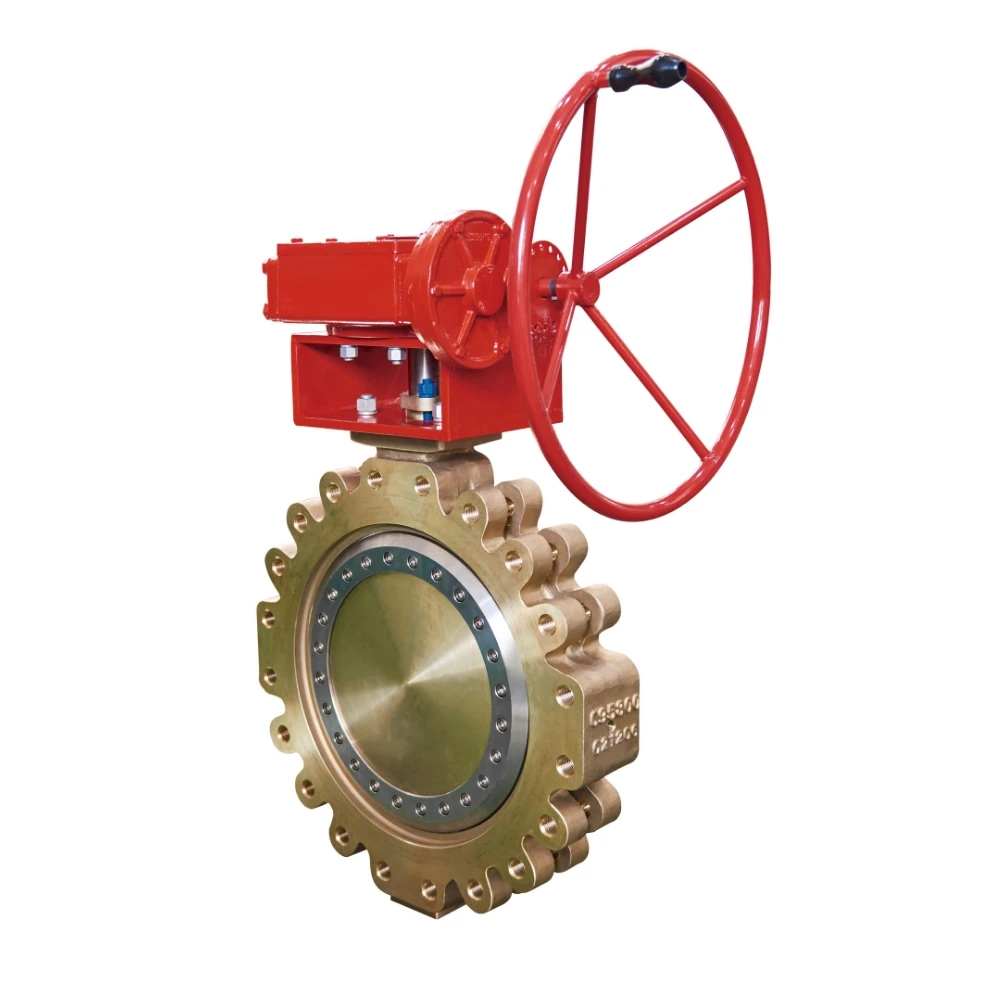
For valve distributors, engineering companies, equipment manufacturers, and industrial brands, buying standard products isn’t always enough. Customers may need specific materials, dimensions, pressure ratings, actuator configurations, branding, packaging, or documentation.
That’s where butterfly valve OEM manufacturing becomes valuable.
OEM, or Original Equipment Manufacturer, allows a customer to work with a manufacturing partner to produce butterfly valves according to agreed specifications and sell them under the customer’s own brand or product system.
A good OEM program isn’t simply about putting a logo on a valve. It can involve product engineering, component selection, manufacturing control, inspection, testing, packaging, documentation, and long-term production consistency.
Butterfly valves are widely used in water treatment, wastewater, HVAC, cooling water, desalination, chemical processing, power generation, marine applications, and industrial pipelines. These industries often have different technical requirements, so OEM flexibility can be a major advantage.
For projects requiring flanged industrial valves, you can also explore our flanged valve product range.
What Is Butterfly Valve OEM?
Butterfly valve OEM refers to the production of butterfly valves by a manufacturing company according to the specifications, branding, or commercial requirements of another company.
The OEM customer may be:
- Valve distributor
- Industrial equipment company
- Engineering contractor
- System integrator
- Private-label brand
- Pump manufacturer
- Water-treatment equipment company
- Industrial automation company
An OEM arrangement can range from simple branding to extensive product customization.
Typical OEM Services
A manufacturer may provide:
- Custom valve specifications
- Private labeling
- Customer logos
- Nameplate customization
- Special materials
- Custom seat materials
- Actuator assembly
- Customized packaging
- Technical drawings
- Inspection reports
- Product datasheets
- Private documentation
The exact scope should be agreed before production.
Why Choose Butterfly Valve OEM Manufacturing?
OEM production can give businesses greater control over their product portfolio.
Instead of investing in a complete valve manufacturing facility, a company can cooperate with an experienced manufacturer.
Key Benefits
- Lower manufacturing investment
- Faster product development
- Access to specialized production equipment
- Flexible customization
- Private-label branding
- Consistent production
- Easier product-line expansion
- Technical support
- Bulk-production capability
For companies trying to expand their industrial valve range, OEM manufacturing can be a practical way to scale without building every manufacturing process internally.
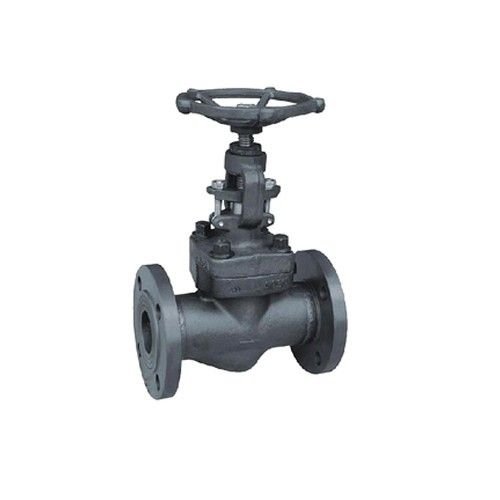
1. Private Label Butterfly Valve Manufacturing
One of the most common OEM requirements is private labeling.
A manufacturer can produce valves using the customer’s:
- Brand name
- Logo
- Model number
- Product code
- Nameplate design
- Packaging
- Documentation
For example, a distributor may purchase the same basic valve design in different configurations while maintaining one consistent brand identity.
Why Branding Matters
Consistent branding can help distributors:
- Build product recognition
- Maintain a professional catalog
- Improve customer loyalty
- Expand their product portfolio
- Differentiate themselves from competitors
The customer should provide clear marking requirements before production begins.
2. Custom Butterfly Valve Materials
OEM customers may need materials different from a standard catalog valve.
Common body materials include:
| Material | Typical Applications |
|---|---|
| Cast iron | General water and HVAC |
| Ductile iron | Water and industrial systems |
| Carbon steel | Process and industrial applications |
| Stainless steel | Corrosive environments |
| Aluminum bronze | Marine and selected seawater applications |
Internal components can also be customized.
Potential options include:
- Stainless steel shafts
- Stainless steel discs
- Aluminum bronze components
- Special alloys
- Protective coatings
Material selection should be based on the fluid, pressure, temperature, and corrosion environment.
3. Custom Butterfly Valve Seat Materials
Seat selection is another important OEM consideration.
Common seat options include:
EPDM
Often used for:
- Drinking water
- Wastewater
- Cooling water
- General water service
NBR
Suitable for selected oil and hydrocarbon applications.
PTFE
Offers strong chemical resistance for suitable applications.
FKM
Can be used in selected hydrocarbon, chemical, and elevated-temperature services.
Metal Seat
Often considered for demanding high-temperature applications.
An OEM manufacturer should help confirm material compatibility rather than treating all applications the same.
4. Custom Pressure Ratings and Standards
OEM customers may sell products into different markets, so pressure ratings and standards can vary.
Common ratings include:
- PN10
- PN16
- PN25
- Class 150
The OEM specification should clearly define:
- Working pressure
- Differential pressure
- Temperature range
- Leakage requirements
- Applicable design standard
- Testing standard
Connection Customization
OEM butterfly valves may use:
- Wafer
- Lug
- Flanged
- Double flanged
- Grooved connections
Face-to-face dimensions and flange drilling should be confirmed before production.
This is especially important when the OEM product is intended to replace an existing valve.
5. Customized Actuated Butterfly Valves
OEM projects increasingly involve complete valve automation rather than standalone valves.
An OEM manufacturer may provide:
- Electric actuators
- Pneumatic actuators
- Hydraulic actuators
It may also assemble accessories such as:
- Limit switches
- Solenoid valves
- Position indicators
- Positioners
- Manual overrides
- Junction boxes
Actuator Torque
Correct actuator sizing is essential.
The required torque can depend on:
- Valve diameter
- Seat material
- Differential pressure
- Disc design
- Fluid
- Temperature
- Operating frequency
The actuator shouldn’t be selected simply because it fits the valve mounting pad.
The manufacturer should verify that the actuator has sufficient torque throughout the operating cycle.
6. OEM Butterfly Valve Design and Engineering
More advanced OEM projects may require engineering changes.
Examples include:
- Modified dimensions
- Special disc designs
- Alternative shaft arrangements
- Customized seat construction
- Special coatings
- Different actuator mounting
- Special connection dimensions
The OEM manufacturer should establish a controlled design process.
Important documents may include:
- General arrangement drawings
- Sectional drawings
- Product datasheets
- Material specifications
- Bill of materials
- Inspection procedures
Why Design Control Matters
Once an OEM product enters regular production, uncontrolled design changes can create serious problems.
A reliable manufacturer should have a system for managing:
- Drawing revisions
- Engineering changes
- Material substitutions
- Approved components
- Production specifications
7. OEM Manufacturing Quality Control
Quality control is critical because the OEM customer’s brand is ultimately attached to the finished product.
A typical process may include:
Raw Material Inspection
Materials are checked against the approved specification.
Machining Inspection
Critical dimensions are verified during production.
Component Inspection
Important parts such as discs, shafts, seats, and bearings are inspected.
Assembly Inspection
The valve is assembled according to the approved manufacturing procedure.
Pressure Testing
The completed valve undergoes the required shell pressure test.
Seat Leakage Testing
Shut-off performance is checked.
Functional Testing
The valve is operated to confirm smooth movement.
Final Inspection
The finished product is checked for:
- Dimensions
- Appearance
- Marking
- Coating
- Operation
- Leakage
- Packaging
8. OEM Packaging and Documentation
OEM customers often want the product to arrive ready for resale.
Packaging may include:
- Custom cartons
- Wooden cases
- Pallets
- Protective covers
- Custom labels
- Brand markings
Documentation can include:
- Product datasheets
- Installation manuals
- Operation manuals
- Test reports
- Material certificates
- Certificates of conformity
- Spare-parts information
The customer’s brand and product information should remain consistent across the valve, packaging, and documentation.
9. Bulk Production and Supply Consistency
One of the biggest advantages of OEM manufacturing is the ability to produce large quantities without the customer building its own factory.
However, volume alone isn’t enough.
The manufacturer needs to maintain consistent:
- Materials
- Dimensions
- Seat specifications
- Component suppliers
- Machining processes
- Assembly procedures
- Testing
- Packaging
This becomes especially important for repeat orders.
Imagine receiving a batch of valves where the actuator mounting dimensions have unexpectedly changed. Even a small uncontrolled change can create problems for downstream assembly or installation.
That’s why production consistency should be treated as an important part of OEM cooperation.
Butterfly Valve OEM for Distributors
Distributors can use OEM manufacturing to build their own valve brands.
Instead of competing solely on price for generic products, distributors can develop a defined product portfolio with:
- Their own brand
- Consistent product specifications
- Customized packaging
- Dedicated model numbers
- Standardized documentation
This can help create a stronger market position.
OEM manufacturing may also allow distributors to offer different product tiers, such as:
- General-purpose valves
- Industrial valves
- High-performance valves
- Actuated valve packages
Butterfly Valve OEM for EPC Contractors
EPC contractors may require customized valves for specific projects.
OEM production can accommodate:
- Project-specific materials
- Special dimensions
- Special pressure ratings
- Customized actuators
- Special accessories
- Project documentation
- Inspection requirements
For large projects, the production process may follow:
Technical Specification → RFQ → Engineering Review → Drawing Approval → Prototype/First Article → Production → Inspection → Testing → Documentation → Shipment
Clear technical communication at each stage can reduce the risk of costly changes later.
How to Choose a Butterfly Valve OEM Manufacturer
Choosing an OEM partner requires more investigation than buying a standard catalog valve.
Consider the following:
| Evaluation Factor | What to Check |
|---|---|
| Manufacturing capability | Production facilities and equipment |
| Engineering | Design and customization capability |
| Product range | Sizes, designs, materials, ratings |
| Quality control | Inspection procedures |
| Testing | Pressure, leakage, functional testing |
| OEM experience | Existing private-label projects |
| Customization | Ability to meet special specifications |
| Actuation | Electric, pneumatic, hydraulic options |
| Documentation | Drawings, certificates, manuals |
| Production capacity | Bulk-order capability |
| Consistency | Repeat-order quality |
| Packaging | Private-label packaging |
| Communication | Technical response capability |
| Delivery | Production and shipping reliability |
For important OEM programs, a factory audit can be useful before signing a long-term agreement.
Butterfly Valve OEM vs Standard Valve Purchasing
The two purchasing models have different advantages.
| Standard Purchasing | OEM Manufacturing |
|---|---|
| Faster for standard products | Better customization |
| Lower development requirements | Own branding |
| Simple procurement | Private packaging |
| Limited differentiation | Product differentiation |
| Standard specifications | Customer-specific specifications |
| Suitable for small orders | Often better for repeat volumes |
OEM isn’t necessarily the best choice for every buyer.
If you need only a few standard valves, conventional purchasing may be simpler.
If you want to develop a private-label product line, OEM manufacturing can offer much greater flexibility.
Common Mistakes in Butterfly Valve OEM Projects
Focusing Only on Unit Price
The lowest factory price doesn’t necessarily produce the lowest total cost.
Consider tooling, engineering, testing, packaging, freight, quality issues, and warranty costs.
Changing Specifications Without Documentation
Every engineering change should be controlled and approved.

Ignoring Minimum Order Quantities
OEM manufacturers may require minimum quantities for customized products.
Not Approving Samples
For a new product, sample or first-article approval can help identify problems before mass production.
Not Defining Quality Requirements
Specify materials, tolerances, tests, acceptance criteria, and documentation in advance.
Ignoring Intellectual Property
Branding, drawings, product designs, and proprietary specifications should be clearly addressed in the commercial agreement.
Failing to Plan Repeat Orders
The manufacturer should know which specifications are fixed and which can be changed.
OEM Project Checklist
Before starting an OEM project, confirm:
- Product design
- Valve type
- Valve size
- Pressure rating
- Body material
- Disc material
- Shaft material
- Seat material
- Connection type
- Face-to-face dimensions
- Flange standard
- Operating conditions
- Actuator type
- Actuator torque
- Accessories
- Logo and markings
- Nameplate
- Packaging
- Documentation
- Testing
- Inspection
- Sample approval
- Minimum order quantity
- Production lead time
- Warranty requirements
Frequently Asked Questions
What does butterfly valve OEM mean?
Butterfly valve OEM means that a manufacturer produces butterfly valves according to another company’s specifications, branding, packaging, or product requirements.
Can OEM butterfly valves use my company’s logo?
Yes. OEM manufacturers can usually provide custom logos, nameplates, model numbers, markings, packaging, and documentation.
Can I customize the valve materials?
Yes. Depending on the manufacturer’s capabilities, customers can specify body, disc, shaft, seat, coating, and other materials.
Can OEM manufacturers provide actuated butterfly valves?
Yes. Many OEM manufacturers can supply complete valve assemblies with electric, pneumatic, or hydraulic actuators.
Is OEM manufacturing suitable for small orders?
It depends on the manufacturer’s minimum order quantity and the level of customization. Standard products with simple branding may have lower requirements than heavily customized designs.
Should I approve an OEM sample before mass production?
For a new or customized product, sample or first-article approval is generally a useful quality-control step before large-scale production.
What documents should an OEM manufacturer provide?
Depending on the project, documentation may include drawings, datasheets, material certificates, test reports, inspection reports, operation manuals, and certificates of conformity.
How can I protect my brand in an OEM project?
Clearly define branding rights, product specifications, drawings, intellectual property, confidentiality, approved components, and change-control procedures in the commercial agreement.
How do I choose an OEM butterfly valve manufacturer?
Evaluate its engineering capabilities, production facilities, quality-control procedures, testing, OEM experience, customization capability, production capacity, documentation, and ability to maintain consistent quality across repeat orders.
What’s the difference between OEM and private-label butterfly valves?
Private labeling often focuses on branding an existing product, while OEM manufacturing can involve deeper customization of the product’s design, materials, dimensions, components, and specifications. The exact meaning can vary between suppliers.
Conclusion
Butterfly valve OEM manufacturing gives distributors, equipment companies, industrial brands, and engineering businesses a flexible way to develop customized valve products without building an entire manufacturing operation themselves.
A successful OEM program requires more than a logo and a purchase order. It depends on clear specifications, controlled engineering, reliable materials, accurate machining, consistent assembly, thorough testing, suitable packaging, and disciplined change management.
Before selecting an OEM partner, evaluate its manufacturing capabilities, engineering resources, quality-control system, actuator integration, documentation, production capacity, and experience with customized valve programs.
For long-term cooperation, consistency is especially important. The manufacturer should be capable of producing the same approved product specification repeatedly while supporting future improvements when required.
In short, the right OEM partner can become more than a valve supplier. It can become an extension of your product-development and supply chain strategy, helping you build a reliable and differentiated butterfly valve product line.