
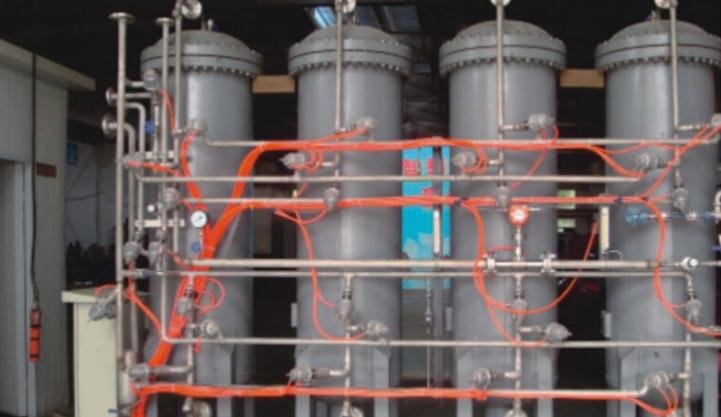
Introduction to Actuated Ball Valve
What is an Actuated Ball Valve?
An actuated ball valve is a type of valve that uses an external actuator to control the rotation of a ball within the valve body, enabling automated regulation of fluid flow. Unlike manual valves, this system operates through electric, pneumatic, or hydraulic power sources.
The actuated ball valve is widely used in industrial and commercial systems where precise, reliable, and remote flow control is required. It combines the efficiency of ball valve design with the convenience of automation.
Role in Modern Automation Systems
In today’s automated environments, efficiency and precision are essential. An actuated ball valve provides:
- Remote operation capability
- Consistent flow control
- Reduced human intervention
This makes it a key component in industries that rely on automation and process control.
Working Principle of Actuated Ball Valve
Actuation Mechanism Explained
The actuator is the driving force behind an actuated ball valve. When a signal is received, the actuator rotates the valve stem, which in turn rotates the ball.
Ball Rotation and Flow Control
The ball typically rotates 90 degrees:
- Open position: Fluid flows through the bore
- Closed position: Flow is blocked
Signal Input and Control Systems
Actuated ball valves can be controlled using:
- Electrical signals
- Pneumatic pressure
- Hydraulic systems
- PLC and automated control systems
Types of Actuated Ball Valve
Electric Actuated Ball Valve
Uses an electric motor to control the valve. Ideal for precise and programmable control.
Pneumatic Actuated Ball Valve
Operates using compressed air. Known for fast response and reliability.
Hydraulic Actuated Ball Valve
Uses hydraulic pressure for high-force applications.
Comparison of Actuation Types
| Type | Power Source | Speed | Best Use |
|---|---|---|---|
| Electric | Electricity | Moderate | Precision control |
| Pneumatic | Compressed air | Fast | Industrial automation |
| Hydraulic | Fluid pressure | Very High | Heavy-duty systems |
Key Components of Actuated Ball Valve
Valve Body
The housing that contains all internal components.
Ball and Stem
The ball controls flow, while the stem connects it to the actuator.
Actuator Unit
The mechanism that drives the valve operation.
Control System Interface
Allows integration with automation systems.
Advantages of Actuated Ball Valve
Automation and Remote Operation
An actuated ball valve can be controlled remotely, improving efficiency and safety.
High Precision and Reliability
Provides consistent and accurate flow control.
Reduced Labor Costs
Minimizes the need for manual intervention.
Applications of Actuated Ball Valve
Oil and Gas Industry
Used for pipeline control and fluid management.
Water Treatment Plants
Regulates water flow in treatment processes.

Chemical Processing
Ensures safe handling of chemicals.
HVAC and Building Systems
Controls heating and cooling systems.
Materials Used in Actuated Ball Valve
Stainless Steel
Offers durability and corrosion resistance.
Brass
Suitable for low-pressure applications.
PVC and Composite Materials
Ideal for lightweight and corrosion-resistant systems.
Installation Guidelines
Mounting and Alignment
Proper alignment ensures smooth operation.
Electrical and Pneumatic Connections
Ensure correct connections for reliable performance.
Common Installation Errors
- Incorrect wiring or air supply
- Misalignment
- Ignoring environmental conditions
Maintenance and Troubleshooting
Routine Inspection
Regular checks help detect wear and issues early.
Actuator Maintenance
Ensure the actuator is functioning properly.
Extending Valve Lifespan
Proper care and timely maintenance increase durability.
Actuated Ball Valve vs Manual Ball Valve
Automation vs Manual Operation
Actuated valves offer automation, while manual valves require human operation.
Cost and Efficiency Comparison
Higher initial cost but improved long-term efficiency.
Application Suitability
Best for automated and large-scale systems.
Factors to Consider When Choosing an Actuated Ball Valve
Actuator Type Selection
Choose based on application requirements.
Pressure and Temperature Ratings
Ensure compatibility with system conditions.
Environmental Conditions
Consider exposure to harsh environments.
Future Trends in Actuated Ball Valve Technology

Smart Valves and IoT Integration
Integration with smart systems for real-time monitoring.
Energy-Efficient Actuators
New designs reduce power consumption.
Advanced Monitoring Systems
Improved diagnostics and predictive maintenance.
Frequently Asked Questions (FAQs)
1. What is an actuated ball valve used for?
It is used for automated control of fluid flow in pipelines.
2. How does an actuated ball valve work?
It uses an actuator to rotate a ball and control flow.
3. What are the types of actuated ball valves?
Electric, pneumatic, and hydraulic types.
4. Where are actuated ball valves used?
Industries include oil and gas, water treatment, and HVAC.
5. What materials are used in actuated ball valves?
Stainless steel, brass, and PVC are common.
6. How do you maintain an actuated ball valve?
Regular inspection and actuator maintenance are essential.
Conclusion
An actuated ball valve is a vital component in modern fluid control systems, offering automation, precision, and efficiency. Its ability to integrate with advanced control systems makes it indispensable across various industries.
As technology evolves, actuated ball valve systems will become smarter, more efficient, and more reliable. Choosing the right valve and maintaining it properly ensures optimal performance and long-term success.