
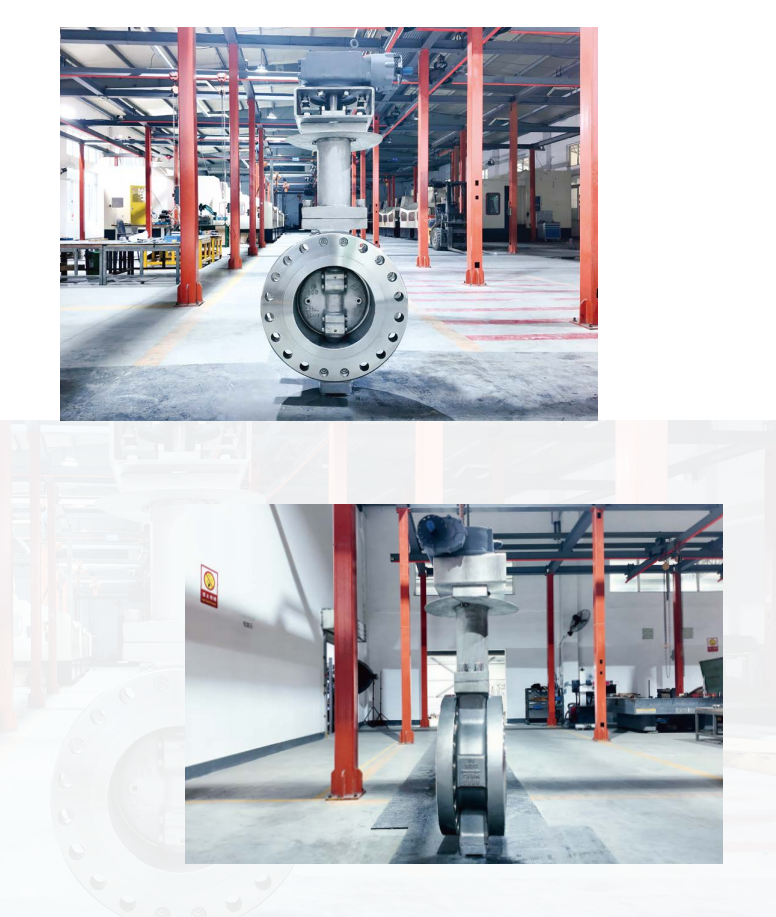
Choosing the right butterfly valve vendor is an important step for distributors, EPC contractors, engineering companies, industrial plants, and equipment manufacturers. The right supplier can provide more than competitive pricing. It can also offer consistent quality, technical support, reliable delivery, customization, and long-term supply stability.
Butterfly valves are widely used in water treatment, wastewater, HVAC, cooling water, desalination, chemical processing, power generation, marine systems, and industrial pipelines. Because operating conditions vary from one application to another, buyers need to select valves based on actual service requirements rather than simply choosing a standard catalog model.
A dependable vendor should understand important parameters such as valve size, pressure rating, temperature, fluid compatibility, body material, disc material, seat material, connection type, operating method, and actuator requirements.
For industrial applications requiring flanged valve configurations, you can also explore our flanged valve product range.
What Is a Butterfly Valve Vendor?
A butterfly valve vendor is a company that supplies butterfly valves to industrial, commercial, or project customers.
A vendor may be:
- A direct manufacturer
- An authorized distributor
- A stocking supplier
- An engineering supplier
- An exporter
- An OEM/ODM partner
- A valve package supplier
Not every vendor actually manufactures the products it sells. Some purchase valves from third-party factories and resell them.
This distinction matters when you’re looking for:
- Custom designs
- Private labeling
- OEM products
- ODM development
- Special materials
- Project-specific documentation
- Large-volume production
Before placing an order, buyers should determine who actually manufactures the valve.
Why Is Choosing the Right Butterfly Valve Vendor Important?
A butterfly valve controls or isolates flow, so its reliability can directly affect the operation of a piping system.
An unsuitable valve can result in:
- Leakage
- High operating torque
- Difficult installation
- Premature seat wear
- Corrosion
- Actuator problems
- Unplanned maintenance
- Production downtime
A good vendor should help customers select an appropriate valve based on the complete application.
Key Selection Parameters
| Parameter | Why It Matters |
|---|---|
| Size | Determines flow area and mechanical requirements |
| Pressure | Determines pressure capability |
| Temperature | Affects materials and sealing |
| Fluid | Determines material compatibility |
| Seat | Influences shut-off and chemical resistance |
| Connection | Must match the pipeline |
| Operation | Determines manual or automated configuration |
| Torque | Important for actuator sizing |
| Standards | Defines design and testing requirements |
1. Check Whether the Vendor Is a Manufacturer
One of the first questions to ask is simple:
Does the company actually manufacture butterfly valves?
A direct manufacturer typically has access to:
- Production equipment
- Machining facilities
- Assembly areas
- Testing equipment
- Quality-control systems
- Engineering personnel
- Finished-product storage
A trading company may not have these facilities.
That doesn’t automatically make a trading company unreliable, but the buyer should understand the supply chain.
Why Direct Manufacturing Can Be Valuable
Working directly with a manufacturer can make it easier to:
- Customize products
- Discuss technical specifications
- Develop OEM products
- Control quality
- Handle engineering changes
- Manage repeat orders
For complex industrial projects, direct technical communication can save time.
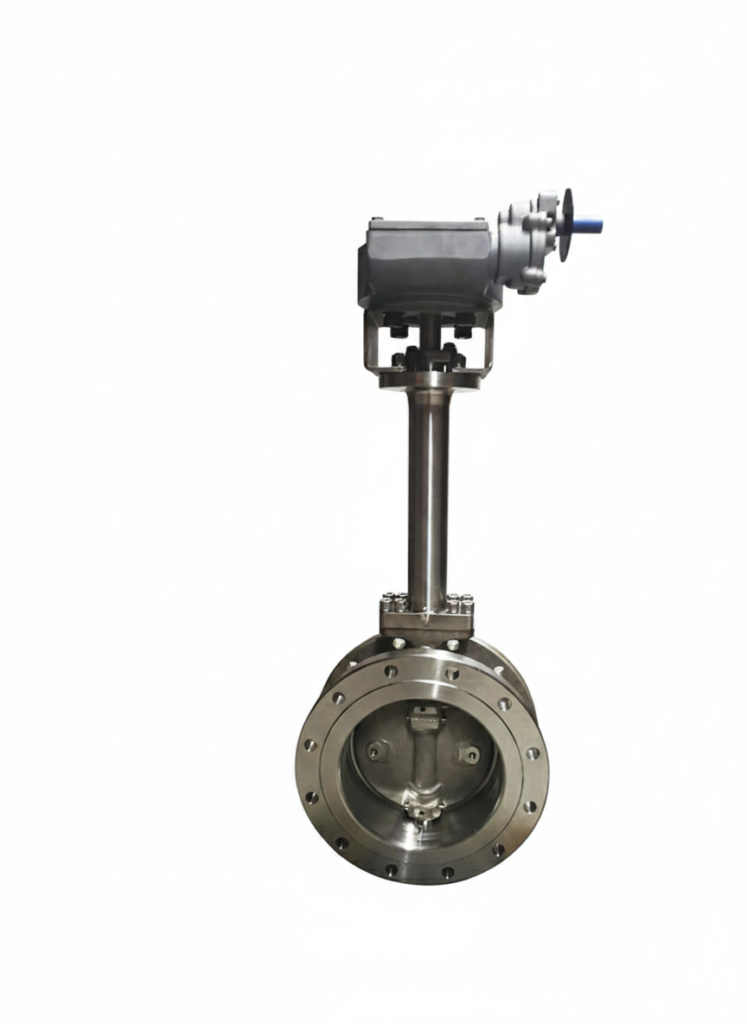
2. Evaluate Butterfly Valve Product Range
A capable supplier should offer products appropriate for different applications.
Common butterfly valve types include:
- Wafer butterfly valves
- Lug butterfly valves
- Flanged butterfly valves
- Double flanged butterfly valves
- Grooved butterfly valves
- Concentric butterfly valves
- Double offset butterfly valves
- Triple offset butterfly valves
Operating options can include:
- Manual
- Gear operated
- Electric actuator
- Pneumatic actuator
- Hydraulic actuator
- Chain wheel
A broad product range doesn’t automatically mean better quality, but it can make product selection easier for customers with different requirements.
3. Evaluate Materials and Seat Options
Material selection is one of the most important technical considerations.
Common valve body materials include:
| Material | Typical Applications |
|---|---|
| Cast iron | General water and HVAC |
| Ductile iron | Water and industrial systems |
| Carbon steel | Process applications |
| Stainless steel | Corrosive environments |
| Aluminum bronze | Marine and selected seawater applications |
Common seat materials include:
- EPDM
- NBR
- PTFE
- FKM
- Metal
The right material depends on the actual operating environment.
For example, a valve suitable for ordinary cooling water may not be suitable for a chemically aggressive process fluid.
A competent vendor should ask about the application before recommending materials.
4. Check Pressure Ratings
Common butterfly valve pressure ratings include:
- PN10
- PN16
- PN25
- Class 150
However, the nominal pressure rating alone doesn’t provide a complete picture.
Buyers should also confirm:
- Maximum working pressure
- Differential pressure
- Operating temperature
- Pressure-temperature limitations
- Leakage requirements
- Applicable standards
For critical applications, the supplier should provide technical documentation supporting the specified rating.
5. Review Manufacturing and Quality Control
A reliable vendor should have a clear quality-control process, whether it manufactures products directly or works with qualified manufacturing partners.
Important production stages include:
Material Inspection → Machining → Component Inspection → Assembly → Pressure Testing → Leakage Testing → Final Inspection → Packaging
Machining
Critical components may include:
- Valve body
- Disc
- Shaft
- Seat surfaces
- Bearing areas
- Flange faces
Dimensional accuracy can affect alignment, torque, and sealing.
Assembly
The seat, disc, shaft, bearings, seals, and other components should be assembled according to standardized procedures.
6. Pressure and Leakage Testing
Testing provides important evidence of valve quality.
Typical tests can include:
Shell Pressure Test
Used to verify the pressure integrity of the valve body.
Seat Leakage Test
Used to evaluate shut-off performance.
Functional Test
Confirms that the valve can open and close correctly.
Dimensional Inspection
Checks critical dimensions against approved drawings.
Final Inspection
May cover:
- Appearance
- Coating
- Marking
- Dimensions
- Operation
- Cleanliness
- Packaging
Project-specific testing should be agreed upon before production.
7. Technical Support from a Butterfly Valve Vendor
A good vendor should do more than send a price list.
Technical support may include:
- Valve selection
- Material recommendations
- Pressure-rating selection
- Seat selection
- Actuator sizing
- Torque calculation
- Dimensional confirmation
- Technical drawings
- Datasheets
- Installation information
- Maintenance guidance
Why Technical Support Matters
For a straightforward water pipeline, valve selection may be relatively simple.
For chemical, high-temperature, high-pressure, or automated systems, however, choosing the wrong configuration can create expensive problems.
A knowledgeable supplier should be willing to ask questions instead of immediately quoting the cheapest available model.
8. Manual and Actuated Butterfly Valves
A vendor may offer several operating configurations.
Manual Butterfly Valves
Common options include:
- Lever operated
- Gear operated
- Chain wheel operated
They’re often suitable for applications where frequent remote operation isn’t required.
Electric Actuator Butterfly Valves
Electric actuators can provide:
- Remote operation
- Automated isolation
- Position feedback
- PLC integration
- Modulating control
Pneumatic Actuator Butterfly Valves
Pneumatic actuation is common in industrial automation.
Available configurations can include:
- Double acting
- Spring return
Hydraulic Butterfly Valves
Hydraulic actuation can be used where high operating force is required.
A vendor that can supply a complete valve-and-actuator assembly can simplify procurement.
9. Verify Actuator Sizing
For actuated butterfly valves, torque is a critical consideration.
Required torque can depend on:
- Valve size
- Seat material
- Differential pressure
- Disc design
- Fluid
- Temperature
- Operating frequency
The actuator should be selected based on the actual valve torque requirements.
Fail-Safe Requirements
Some systems require the valve to:
- Fail open
- Fail closed
- Remain in position
These requirements should be defined before selecting the actuator.
10. Check OEM and Private-Label Capability
Distributors and brands may need more than standard products.
A qualified vendor may provide:
- Customer logos
- Custom nameplates
- Product codes
- Private packaging
- Customized documentation
- Special specifications
- Dedicated models
OEM vs ODM
OEM generally means manufacturing according to customer specifications.
ODM can involve deeper product-development support, including engineering and design.
For companies building their own valve brand, these services can be especially useful.
Pricing: Don’t Compare Only the Unit Cost
Price is important, but it shouldn’t be the only selection criterion.
Two butterfly valves with similar external dimensions can have different:
- Body materials
- Disc materials
- Shaft materials
- Seat compounds
- Bearings
- Coatings
- Testing procedures
- Actuator components
Therefore, compare quotations based on an equivalent technical specification.
A Better Comparison Method
Compare:
| Factor | Vendor A | Vendor B | Vendor C |
|---|---|---|---|
| Valve design | |||
| Body material | |||
| Disc material | |||
| Seat material | |||
| Pressure rating | |||
| Connection | |||
| Testing | |||
| Actuator | |||
| Documentation | |||
| Lead time | |||
| Warranty | |||
| Price |
This approach gives you a much clearer picture of the actual value.
Delivery Capability and Supply Stability
For industrial buyers, delivery performance can be just as important as product quality.
Evaluate:
- Standard lead time
- Production capacity
- Raw material availability
- Inventory
- Shipping experience
- Export documentation
- Packaging
- Order tracking
Repeat Orders
For distributors and OEM customers, consistency across multiple orders is essential.
Future batches should maintain the approved:
- Dimensions
- Materials
- Seat specifications
- Component interfaces
- Markings
- Performance requirements
Ask the vendor how engineering changes and component substitutions are controlled.
Butterfly Valve Vendor for EPC Contractors
EPC contractors often require detailed technical and commercial documentation.
A suitable supplier may need to provide:
- Datasheets
- General arrangement drawings
- Material certificates
- Inspection plans
- Pressure-test reports
- Leakage-test reports
- Actuator documentation
- Certificates
- Operation manuals
- Spare-parts lists
A typical procurement process is:
RFQ → Technical Review → Quotation → Clarification → Purchase Order → Drawing Approval → Production → Inspection → Testing → Documentation → Shipment
A supplier with strong project experience can help reduce communication gaps throughout this process.
Butterfly Valve Vendor for Distributors
Distributors typically need reliable products and predictable supply.
A suitable vendor may provide:
- Private labeling
- Custom packaging
- Product catalogs
- Datasheets
- Technical drawings
- Dedicated product codes
- Repeat production
- Inventory planning
A long-term supplier should also communicate proactively about changes in materials, components, production schedules, or product specifications.
How to Evaluate a Butterfly Valve Vendor
Use the following checklist when comparing potential suppliers:
| Evaluation Area | Questions to Ask |
|---|---|
| Manufacturing | Does the company manufacture directly? |
| Product range | Does it offer the required valve design? |
| Materials | Are materials suitable and documented? |
| Testing | Are shell and leakage tests available? |
| Quality | How is product quality controlled? |
| Engineering | Can it provide technical assistance? |
| Actuation | Can it supply complete assemblies? |
| OEM | Can products be private labeled? |
| Capacity | Can it handle future orders? |
| Documentation | Are project documents available? |
| Delivery | Can lead times be consistently maintained? |
| Support | Is after-sales technical support available? |
Red Flags When Choosing a Vendor
Be careful when a supplier:
- Cannot identify the actual manufacturer
- Gives vague material specifications
- Cannot provide technical drawings
- Doesn’t clearly define pressure ratings
- Avoids questions about testing
- Changes specifications without approval
- Offers unusually low prices without explanation
- Cannot provide sample products
- Has no clear quality-control process
- Makes unrealistic delivery promises
One red flag doesn’t necessarily mean a supplier is unsuitable, but several together deserve closer investigation.
Butterfly Valve Vendor Selection Checklist
Before placing an order, confirm:
- Valve type
- Valve size
- Pressure rating
- Fluid
- Operating pressure
- Operating temperature
- Body material
- Disc material
- Shaft material
- Seat material
- Connection type
- Flange standard
- Face-to-face dimension
- Manual or automated operation
- Actuator type
- Operating torque
- Fail position
- Testing requirements
- Inspection requirements
- Certifications
- Technical documents
- OEM requirements
- Packaging
- Quantity
- Lead time
- Warranty and after-sales support
Frequently Asked Questions
What is a butterfly valve vendor?
A butterfly valve vendor is a company that supplies butterfly valves. It may be a manufacturer, distributor, exporter, engineering supplier, or OEM/ODM partner.
What’s the difference between a butterfly valve vendor and manufacturer?
A manufacturer produces the valve, while a vendor can sell products made by itself or by another company. Buyers should confirm the actual source of the products.
How do I choose a reliable butterfly valve vendor?
Evaluate product quality, materials, pressure ratings, testing, engineering support, production capacity, delivery reliability, documentation, customization, and after-sales service.
What information should I provide when requesting a quotation?
Provide valve type, size, pressure rating, fluid, temperature, body material, disc material, seat material, connection, actuator requirements, quantity, testing requirements, documentation, and delivery requirements.
Can a vendor provide OEM butterfly valves?
Yes. Many vendors and manufacturers offer OEM services such as private labeling, customized nameplates, product codes, packaging, and special specifications.
Can butterfly valve vendors supply actuators?
Many suppliers can provide electric, pneumatic, or hydraulic actuators and assemble complete valve packages.
What butterfly valve pressure ratings are common?
Common ratings include PN10, PN16, PN25, and Class 150, although the appropriate rating depends on the application and pressure-temperature requirements.
Should I buy directly from a manufacturer or through a vendor?
It depends on your requirements. Direct manufacturers can be advantageous for OEM, ODM, customization, and large-volume purchasing, while local vendors may provide faster inventory availability and local support.
How can I compare two butterfly valve quotations?
Compare equivalent specifications, including materials, seat, pressure rating, dimensions, connection, testing, actuator, documentation, lead time, warranty, and price.
Why is technical support important when buying butterfly valves?
Technical support helps ensure that the valve design, materials, seat, pressure rating, torque, and actuator are appropriate for the actual operating conditions.
Conclusion
Finding the right butterfly valve vendor isn’t simply a matter of finding the lowest quotation.
A reliable supplier should provide appropriate products, clear specifications, dependable quality, technical support, accurate documentation, consistent delivery, and long-term supply capability.
Before selecting a vendor, verify whether it is a direct manufacturer or distributor, evaluate its product and material capabilities, confirm testing procedures, and make sure the valve matches your actual pressure, temperature, fluid, connection, and operating requirements.
For distributors and OEM brands, customization and repeat-order consistency may be especially important. For EPC contractors, engineering support, inspection, documentation, and delivery control can be critical.
In short, the best vendor is the one that can provide the right valve specification, reliable quality, transparent communication, and consistent support from quotation through delivery and beyond.