
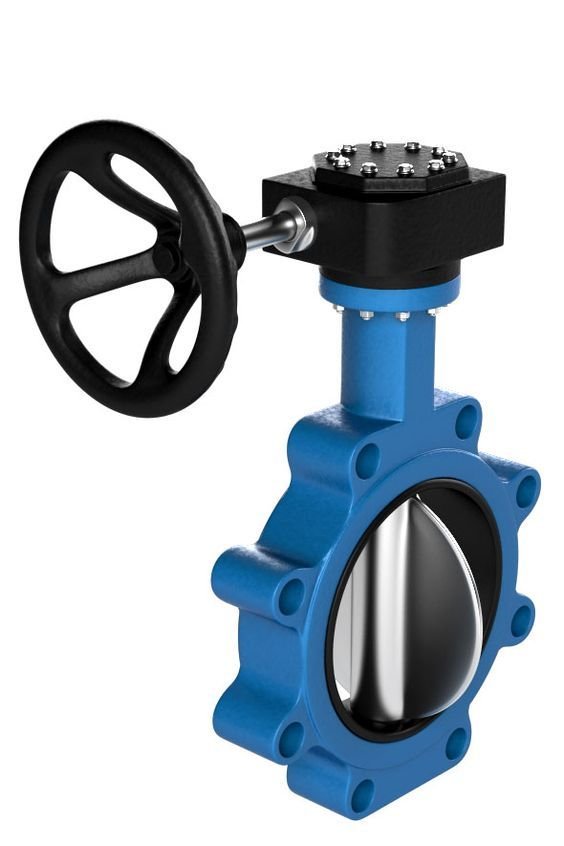
What Are Chemical Industry Valves?
Chemical industry valves are specialized flow control devices designed to regulate, isolate, and control liquids, gases, slurries, and aggressive chemicals used in chemical processing plants. These valves are engineered to withstand corrosive media, high temperatures, high pressures, and demanding operating conditions while ensuring safe and reliable process control.
They play a vital role in protecting equipment, maintaining product quality, preventing leaks, and ensuring operational safety throughout chemical production facilities.
Why Are Chemical Industry Valves Important?
Chemical plants handle a wide range of aggressive substances, including acids, alkalis, solvents, and other hazardous chemicals. Proper valve selection helps to:
- Control process flow accurately
- Prevent leakage of hazardous media
- Protect pumps and pipelines
- Improve operational safety
- Minimize maintenance requirements
- Increase production efficiency
- Extend equipment service life
Selecting the right valve material and sealing system is critical for long-term reliability.
Common Types of Chemical Industry Valves
Butterfly Valves
Butterfly valves are widely used because of their compact design and excellent flow characteristics.
Advantages
- Lightweight construction
- Quarter-turn operation
- Low operating torque
- Easy automation
Applications:
- Chemical transfer lines
- Cooling water systems
- Utility services
PTFE-lined and stainless steel butterfly valves are particularly popular for handling corrosive media.
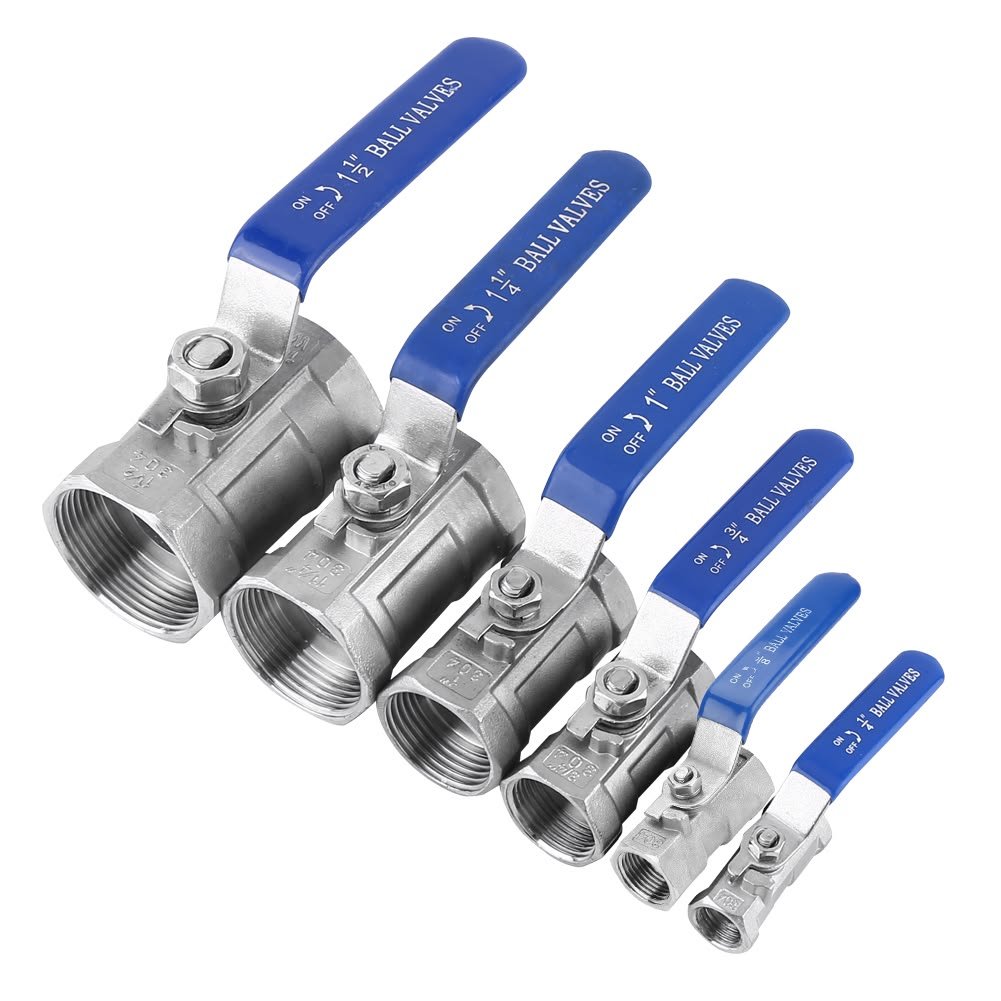
Ball Valves
Ball valves provide reliable shutoff and excellent sealing performance.
Applications include:
- Chemical dosing systems
- Solvent transfer
- High-purity process lines
Gate Valves
Gate valves are mainly used for isolation.
Suitable for:
- Large process pipelines
- Utility systems
Globe Valves
Globe valves are ideal for throttling and precise flow regulation.
Applications:
- Process control
- Pressure regulation
- Chemical mixing systems
Check Valves
Check valves prevent reverse flow and protect equipment.
Common applications:
- Pump discharge pipelines
- Chemical circulation systems
Control Valves
Control valves automatically regulate:
- Flow
- Pressure
- Temperature
- Liquid level
These valves are essential for automated chemical processing.
Butterfly Valves for Chemical Processing
Butterfly valves are among the most commonly selected chemical industry valves because they offer compact installation, fast operation, and excellent compatibility with automated control systems.
Common Designs
- PTFE lined butterfly valve
- Stainless steel butterfly valve
- High-performance butterfly valve
- Double offset butterfly valve
- Triple offset butterfly valve
Typical Applications
- Acid transfer systems
- Alkali processing
- Solvent handling
- Cooling water
- Utility pipelines
PTFE-lined butterfly valves provide outstanding resistance to many aggressive chemicals and are widely used in corrosive environments.
Materials Used for Chemical Industry Valves
Material compatibility is one of the most important considerations in chemical processing.
Body Materials
- Stainless Steel 304
- Stainless Steel 316
- Carbon Steel
- Ductile Iron (with protective lining)
- Duplex Stainless Steel
Disc and Trim Materials
- Stainless Steel 316
- Hastelloy
- Monel
- Titanium
Seat Materials
| Material | Typical Application |
|---|---|
| PTFE | Corrosive chemicals |
| RPTFE | Higher wear resistance |
| Viton | Solvents and hydrocarbons |
| EPDM | Water-based chemicals |
| PFA Lining | Highly corrosive media |
Always verify material compatibility with the chemical being handled.
Applications of Chemical Industry Valves
Chemical Manufacturing Plants
Used for:
- Chemical production
- Reactor systems
- Process pipelines
Pharmaceutical Industry
Applications include:
- High-purity fluid handling
- Clean process systems
- Utility services
Petrochemical Facilities
Suitable for:
- Chemical feed systems
- Utility pipelines
- Process control
Water Treatment
Used for:
- Chemical dosing
- Filtration systems
- Neutralization processes
Industrial Manufacturing
Applications include:
- Cooling systems
- Process water
- Chemical circulation
Key Factors When Selecting Chemical Industry Valves
When choosing a valve, evaluate:
- Chemical compatibility
- Operating temperature
- Pressure rating
- Corrosion resistance
- Valve type
- Seat material
- Actuation method
- Maintenance requirements
- Applicable industry standards
Correct valve selection helps prevent leaks, reduce downtime, and improve process safety.
Automation Options
Modern chemical plants often use automated valves to enhance process control.
Available actuators include:
- Pneumatic actuators
- Electric actuators
- Manual gear operators
- Smart control actuators
Automation enables precise control, remote operation, and improved production efficiency.
Quality Standards and Certifications
Reliable chemical industry valves should comply with recognized international standards.
Common Certifications
- ISO 9001
- CE Certification
- API Standards (where applicable)
- EN Standards
- ANSI Standards
For certain applications, compliance with chemical resistance and pressure testing requirements is also essential.
Industry references:
How to Choose a Reliable Chemical Valve Manufacturer
When evaluating suppliers, consider:
- Experience in chemical applications
- Material expertise
- Manufacturing capability
- Pressure testing facilities
- Product certifications
- OEM and customization services
- Technical support
- Global export experience
Working with an experienced manufacturer helps ensure long-term reliability in demanding chemical environments.
Frequently Asked Questions
What are chemical industry valves used for?
They regulate, isolate, and control corrosive liquids, gases, and chemicals in processing plants.
Which butterfly valve is best for chemical processing?
PTFE-lined butterfly valves and stainless steel butterfly valves are commonly used because of their excellent corrosion resistance.
What materials are commonly used for chemical valves?
Stainless steel, duplex stainless steel, Hastelloy, Monel, PTFE, PFA, and Viton are widely used depending on the application.
Can chemical industry valves be automated?
Yes. Pneumatic and electric actuators are commonly used for automated process control.
Why is PTFE lining important?
PTFE provides excellent resistance to many aggressive chemicals, helping extend valve life and reduce maintenance.
How do I choose the right chemical valve?
Consider chemical compatibility, pressure, temperature, valve design, sealing material, and applicable industry standards.
Conclusion
Chemical industry valves are essential for maintaining safe, efficient, and reliable operations in chemical processing facilities. Whether handling corrosive acids, solvents, alkalis, or high-purity chemicals, selecting the correct valve type and material is critical for preventing leaks, protecting equipment, and ensuring process integrity.
From PTFE-lined butterfly valves to stainless steel ball, globe, and control valves, high-quality chemical industry valves provide the durability, corrosion resistance, and performance needed to meet the demanding requirements of modern chemical plants.