
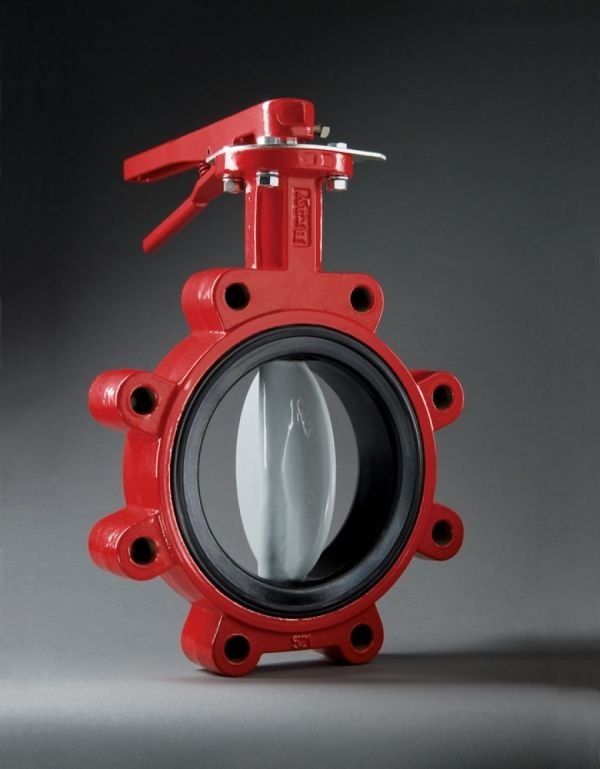
What Is a Desalination Butterfly Valve?
A desalination butterfly valve is a specially designed butterfly valve used in seawater desalination plants to control and isolate seawater, brine, and treated water flow throughout the desalination process. These valves are engineered to withstand highly corrosive environments caused by seawater, high salt concentration, chemicals, and continuous operation.
Desalination systems require valves that can provide reliable sealing, corrosion resistance, and long service life under challenging conditions. Unlike standard water valves, desalination butterfly valves are manufactured with corrosion-resistant materials such as stainless steel, duplex stainless steel, super duplex alloys, aluminum bronze, and specialized coatings.
Butterfly valves are widely used in desalination facilities because they offer a compact design, low pressure loss, lightweight structure, and excellent performance in large-diameter pipelines.
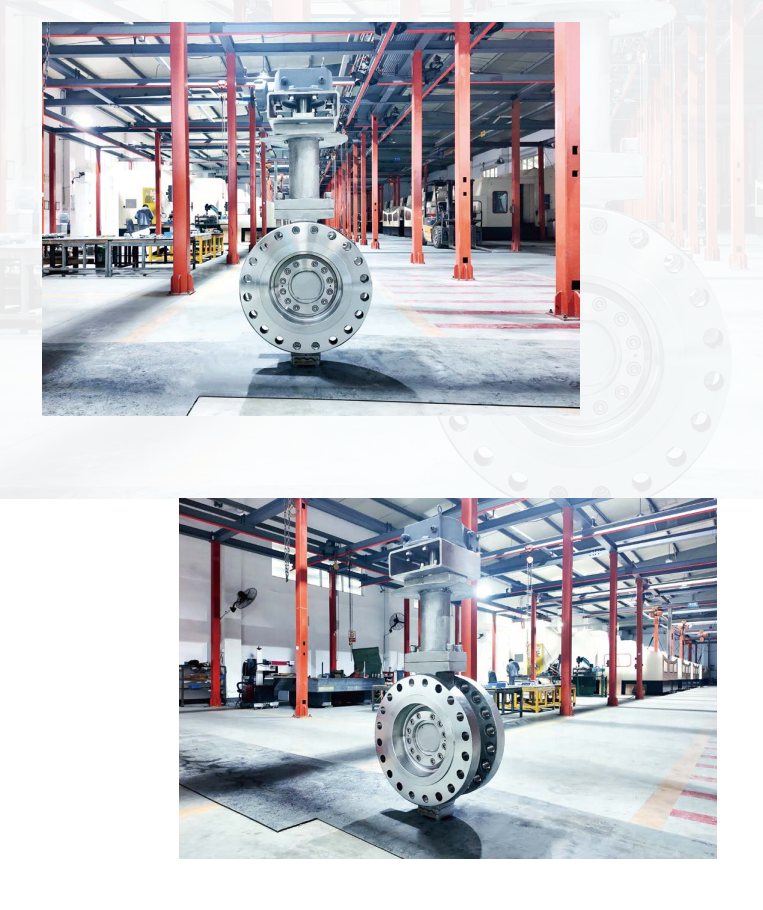
For large seawater pipelines, a flanged butterfly valve configuration is commonly selected because it provides a strong and stable connection for demanding marine and industrial environments.
How Does a Desalination Butterfly Valve Work?
A desalination butterfly valve operates using a quarter-turn mechanism. The valve disc rotates around a central shaft to regulate or stop seawater and treated water flow.
Opening Operation
- The operator or actuator rotates the valve shaft.
- The shaft moves the valve disc.
- The disc aligns with the pipeline direction.
- Seawater or processed water flows through the valve.
Closing Operation
The disc rotates back to the closed position and seals against the valve seat, preventing fluid movement.
In desalination plants, valves must maintain reliable performance despite:
- High chloride concentration
- Saltwater corrosion
- Chemical cleaning processes
- Continuous operation cycles
- High-pressure conditions
Why Are Butterfly Valves Used in Desalination Plants?
Butterfly valves are commonly selected for desalination applications because they provide several important advantages.
Main Benefits
- Excellent corrosion resistance with proper materials
- Suitable for large pipeline diameters
- Compact and lightweight design
- Low installation cost
- Reduced pressure loss
- Easy maintenance
- Reliable shut-off performance
- Compatible with automation systems
- Suitable for seawater and brine applications
Their economical design makes butterfly valves a practical choice for large-scale desalination infrastructure.
Types of Desalination Butterfly Valves
Wafer Desalination Butterfly Valve
A wafer butterfly valve is installed between two pipe flanges.
Advantages
- Compact structure
- Lower weight
- Cost-effective installation
- Suitable for general seawater pipelines
Applications
- Pretreatment systems
- Water transfer pipelines
- Low-pressure desalination sections
Lug Desalination Butterfly Valve
A lug butterfly valve uses threaded inserts around the valve body for improved installation flexibility.
Advantages
- Suitable for maintenance isolation
- Can support pipeline sections independently
- Reliable connection design
Applications
- Chemical dosing systems
- Pump stations
- Industrial seawater systems
Flanged Desalination Butterfly Valve
A flanged butterfly valve uses bolted flange connections for maximum mechanical stability.
Advantages
- High connection strength
- Suitable for large diameters
- Better resistance to pipeline stress
Applications
- Reverse osmosis systems
- Seawater intake pipelines
- Large desalination facilities
High Performance Butterfly Valve for Desalination
High performance butterfly valves use advanced sealing and offset designs to improve durability.
Features
- Lower operating torque
- Better sealing performance
- Longer service life
- Suitable for demanding seawater applications
Triple Offset Butterfly Valve for Desalination
Triple offset butterfly valves are commonly used in high-performance desalination systems.
Advantages
- Reduced seat friction
- Metal sealing capability
- Excellent corrosion resistance options
- Suitable for high-pressure applications
Materials Used in Desalination Butterfly Valves
Material selection is one of the most important factors in seawater applications.
| Component | Common Materials |
|---|---|
| Body | Ductile Iron with Coating, Stainless Steel, Duplex Steel |
| Disc | Duplex Stainless Steel, Super Duplex, Aluminum Bronze |
| Shaft | Stainless Steel, Duplex Steel |
| Seat | EPDM, PTFE, Metal Seat |
| Coating | Epoxy Coating, Rubber Lining, Special Anti-Corrosion Coating |
The correct material combination helps prevent corrosion and extends valve service life.
Corrosion Resistance in Desalination Butterfly Valves
Seawater contains chloride ions that can cause severe corrosion in unsuitable materials. Therefore, desalination butterfly valves require careful material selection.
Common Corrosion-Resistant Materials
Duplex Stainless Steel
Provides:
- High chloride resistance
- Excellent mechanical strength
- Good corrosion protection
Super Duplex Stainless Steel
Suitable for:
- High chloride environments
- Seawater intake systems
- High-performance applications
Aluminum Bronze
Provides:
- Good seawater corrosion resistance
- Excellent durability
- Marine application suitability
PTFE Lining
Used for:
- Chemical resistance
- Aggressive media applications
Applications of Desalination Butterfly Valves
Seawater Intake Systems
Used for:
- Seawater collection pipelines
- Intake structures
- Pump stations
Pretreatment Systems
Installed in:
- Filtration systems
- Chemical dosing pipelines
- Sand filtration units
Reverse Osmosis Systems
Common applications include:
- High-pressure feed systems
- Membrane protection systems
- Concentrate discharge pipelines
Brine Discharge Systems
Used for:
- Concentrated seawater disposal
- Marine discharge pipelines
Post-Treatment Water Systems
Applied in:
- Freshwater distribution
- Storage systems
- Pumping networks
Desalination Butterfly Valve vs Standard Butterfly Valve
| Feature | Desalination Butterfly Valve | Standard Butterfly Valve |
| Media | Seawater, brine, treated water | General fluids |
| Corrosion Resistance | High | Moderate |
| Materials | Duplex, super duplex, special alloys | Standard metals |
| Coatings | Advanced anti-corrosion protection | General coatings |
| Application | Desalination plants | General industrial systems |
Selecting a standard valve for seawater service may result in premature corrosion and maintenance problems.
Soft Seated vs Metal Seated Desalination Butterfly Valve
| Feature | Soft Seated | Metal Seated |
| Sealing | Excellent shut-off | High durability |
| Temperature Resistance | Moderate | Higher |
| Corrosion Resistance | Depends on materials | Excellent with suitable alloys |
| Common Use | Water systems | Severe service applications |
The correct seat selection depends on pressure, temperature, and operating conditions.
How to Choose the Right Desalination Butterfly Valve
When selecting a desalination butterfly valve, consider:
- Seawater chloride concentration
- Valve material
- Corrosion protection requirements
- Pipeline diameter
- Operating pressure
- Temperature range
- Flow rate
- Seat material
- Leakage requirements
- Automation requirements
Important questions include:
- Is the valve used for seawater intake or freshwater output?
- Is the environment marine or industrial?
- Are chemical cleaning processes involved?
- What corrosion resistance level is required?
Actuation Options for Desalination Butterfly Valves
Manual Operation
Suitable for:
- Small valves
- Low-frequency isolation
Gear Operated Butterfly Valve
Suitable for:
- Large diameter valves
- Higher torque requirements
Electric Actuated Butterfly Valve
Suitable for:
- Automated desalination plants
- Remote monitoring systems
Pneumatic Actuated Butterfly Valve
Suitable for:
- Fast operation
- Process automation
Hydraulic Actuation
Used for:
Quality Standards and Certifications
Reliable desalination butterfly valves are manufactured according to international standards, including:
- ISO 9001
- API 609
- API 598
- EN 593
- AWWA standards
- ASME B16.34
- ANSI standards
Additional corrosion testing and material verification may be required for seawater applications.
Maintenance Tips for Desalination Butterfly Valves
To maximize valve service life:
- Inspect corrosion protection regularly
- Check sealing performance
- Monitor actuator operation
- Inspect coating damage
- Verify bolt and flange conditions
- Perform scheduled valve operation tests
Proper maintenance helps prevent unexpected failures in desalination facilities.
Frequently Asked Questions
What is a desalination butterfly valve?
A desalination butterfly valve is a corrosion-resistant valve designed for seawater desalination systems, including seawater intake, reverse osmosis, and brine discharge applications.
Why are special materials needed for desalination butterfly valves?
Seawater contains chlorides that can cause corrosion, so materials such as duplex stainless steel and aluminum bronze are often used.
Where are desalination butterfly valves used?
They are used in seawater intake systems, pretreatment units, reverse osmosis systems, brine discharge pipelines, and freshwater distribution networks.
Which material is best for seawater butterfly valves?
Duplex stainless steel, super duplex stainless steel, and aluminum bronze are commonly selected because of their excellent seawater corrosion resistance.
Can desalination butterfly valves be automated?
Yes. They can be equipped with electric, pneumatic, or hydraulic actuators for automatic process control.
What type of butterfly valve is best for large desalination pipelines?
Flanged and triple offset butterfly valves are often selected for large, high-performance desalination applications.
Conclusion
A desalination butterfly valve is a critical component in seawater treatment systems, providing reliable flow control in one of the most challenging industrial environments. With corrosion-resistant materials, advanced sealing technologies, and durable designs, these valves help ensure efficient and safe desalination operations.
From seawater intake pipelines and reverse osmosis systems to brine discharge networks, selecting the correct valve material, connection type, pressure rating, and actuator configuration is essential for long-term performance.
Whether choosing a wafer, lug, or flanged butterfly valve design, a properly engineered desalination butterfly valve delivers dependable operation and corrosion-resistant performance for modern water treatment facilities.