
What Is a Ductile Iron Flanged Butterfly Valve?
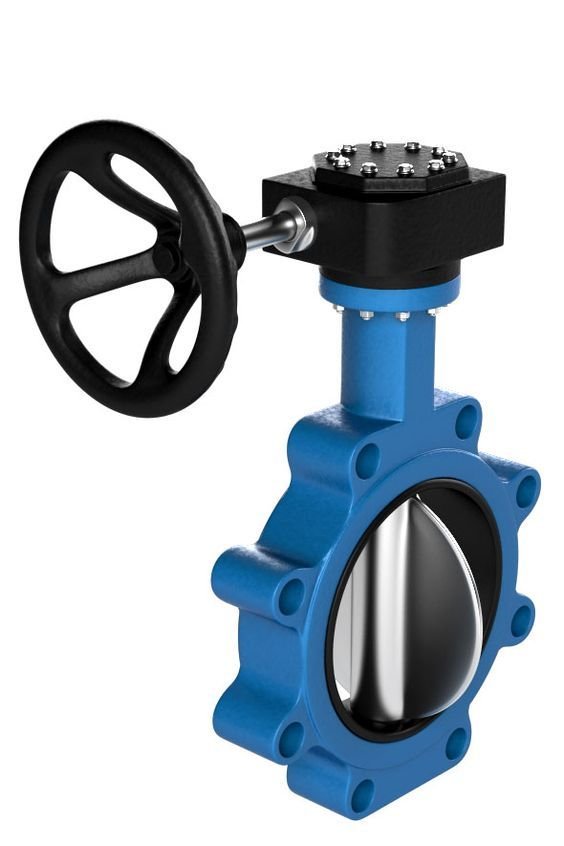
A ductile iron flanged butterfly valve is a quarter-turn valve designed to regulate or isolate fluid flow in pipelines. It features a ductile iron body with flanged connections on both sides, allowing secure installation between pipeline flanges.
Ductile iron offers significantly better strength and flexibility than traditional cast iron, making it one of the most widely used materials for butterfly valves in water and industrial systems.
These valves are commonly used in:
- Water treatment plants
- Municipal water distribution networks
- Wastewater treatment facilities
- HVAC systems
- Irrigation projects
- Industrial process pipelines
Why Choose a Ductile Iron Flanged Butterfly Valve?
Ductile iron combines strength, durability, and affordability, making it a preferred material for many flow control applications.
Key Advantages
- High mechanical strength
- Excellent impact resistance
- Cost-effective solution
- Long service life
- Corrosion-resistant coatings available
- Suitable for large-diameter pipelines
Compared with cast iron valves, ductile iron valves offer improved toughness and reliability under varying operating conditions.
How Does a Ductile Iron Flanged Butterfly Valve Work?
The valve operates using a rotating disc positioned inside the flow path.
Working Principle
- Disc parallel to flow = Valve fully open
- Disc perpendicular to flow = Valve fully closed
- Partial rotation = Flow throttling or regulation
The disc rotates 90 degrees, allowing fast opening and closing with minimal operating torque.
Main Components of a Ductile Iron Flanged Butterfly Valve
Ductile Iron Valve Body
Provides structural strength and supports flange connections.
Valve Disc
Controls fluid flow through rotational movement.
Common disc materials include:
- Ductile iron
- Stainless steel 304
- Stainless steel 316
- Nickel-plated ductile iron
Stem (Shaft)
Transfers motion from the actuator to the disc.
Valve Seat
Creates a leak-tight seal.
Common seat materials:
- EPDM
- NBR
- PTFE
Actuation System
Available options:
- Lever handle
- Worm gear operator
- Pneumatic actuator
- Electric actuator
Types of Ductile Iron Flanged Butterfly Valves
Resilient Seated Ductile Iron Flanged Butterfly Valve
The most commonly used design.
Features
- Soft sealing seat
- Bubble-tight shutoff
- Low operating torque
Applications:
- Water treatment
- Municipal water supply
- HVAC systems
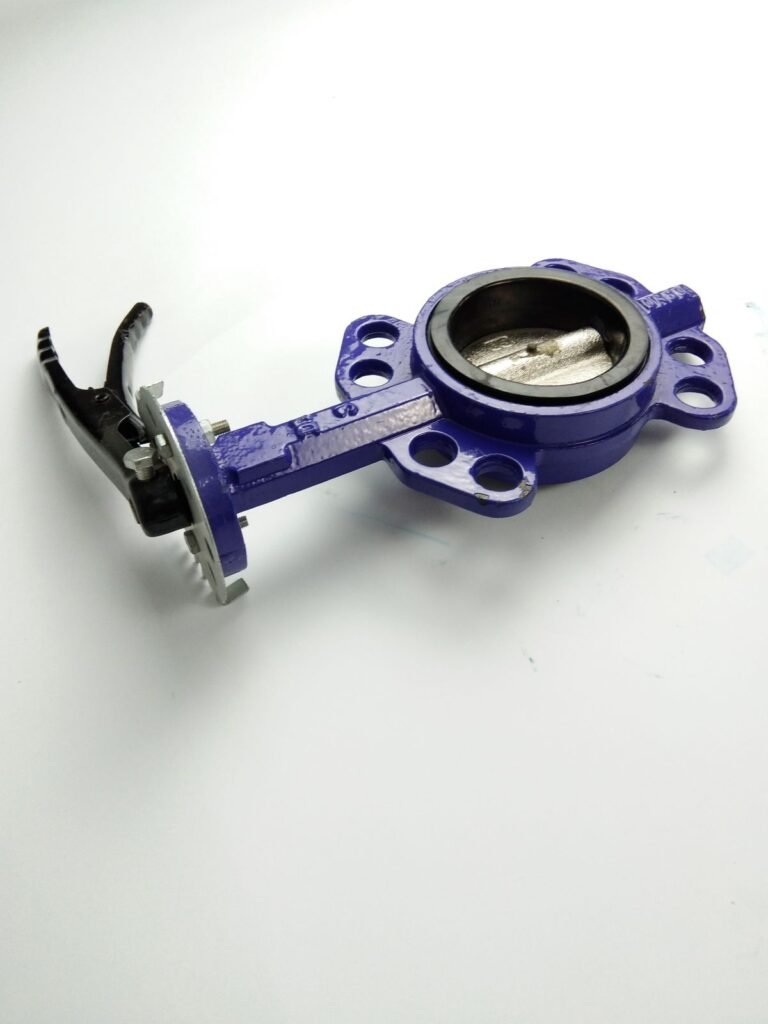
Double Flanged Butterfly Valve
Designed for enhanced stability.
Benefits
- Secure installation
- Suitable for large pipelines
- Easy maintenance
Applications:
- Water transmission systems
- Industrial infrastructure
High Performance Butterfly Valve
Uses a double-offset design.
Advantages
- Reduced seat wear
- Better sealing performance
- Extended service life
Applications:
- Industrial processing
- Chemical systems
Materials Used in Ductile Iron Flanged Butterfly Valves
Valve Body
Typically made from:
- GGG40 ductile iron
- GGG50 ductile iron
These materials provide excellent strength and durability.
Disc Materials
Options include:
- Ductile iron
- Stainless steel 304
- Stainless steel 316
- Aluminum bronze
Seat Materials
| Seat Material | Application |
|---|---|
| EPDM | Water systems |
| NBR | Oil-containing media |
| PTFE | Chemical applications |
| Viton | High-temperature service |
Applications of Ductile Iron Flanged Butterfly Valves
Water Treatment Plants
Used for:
- Clean water distribution
- Filtration systems
- Pump stations
Municipal Water Supply
Applications include:
- Main transmission pipelines
- Distribution networks
- Reservoir systems
Wastewater Treatment
Suitable for:
- Sludge pipelines
- Effluent systems
- Treatment processes
HVAC Systems
Used in:
- Chilled water networks
- Heating systems
- Building services
Irrigation Projects
Applications include:
- Agricultural water distribution
- Pumping stations
- Canal systems
Pressure Ratings and Sizes
Common pressure ratings include:
- PN10
- PN16
- PN25
Typical size range:
- DN50 to DN2000+
Selection depends on flow requirements and system pressure.
Advantages Over Cast Iron Butterfly Valves
| Feature | Ductile Iron | Cast Iron |
|---|---|---|
| Strength | Higher | Lower |
| Impact Resistance | Excellent | Moderate |
| Flexibility | Better | Limited |
| Service Life | Longer | Shorter |
| Reliability | Higher | Standard |
Ductile iron is generally preferred for demanding industrial and municipal applications.
Quality Standards and Certifications
Reliable manufacturers comply with international standards.
Common Certifications
- ISO 9001
- CE Certification
- WRAS Approval
- EN Standards
Testing Procedures
- Hydrostatic pressure testing
- Seat leakage testing
- Torque testing
- Material verification
Industry references:
How to Choose the Right Ductile Iron Flanged Butterfly Valve
Consider System Pressure
Select PN10, PN16, or PN25 according to operating conditions.
Evaluate Media Compatibility
Choose suitable disc and seat materials.
Verify Flange Standard
Common standards include:
- DIN
- EN
- ANSI
- JIS
Select Appropriate Actuation
Options include manual, pneumatic, and electric operation.
Check Certification Requirements
Ensure compliance with project specifications.
Frequently Asked Questions
What is a ductile iron flanged butterfly valve?
It is a butterfly valve with a ductile iron body and flanged connections used for flow control and isolation.
Why is ductile iron preferred over cast iron?
Ductile iron offers greater strength, flexibility, and impact resistance.
What industries use ductile iron butterfly valves?
Water treatment, wastewater, HVAC, irrigation, and industrial processing industries.
What pressure ratings are available?
Common ratings include PN10, PN16, and PN25.
Can these valves be automated?
Yes. They can be fitted with pneumatic or electric actuators.
What seat materials are commonly used?
EPDM, NBR, PTFE, and Viton are popular sealing options.
Conclusion
A ductile iron flanged butterfly valve is a reliable and cost-effective solution for water distribution, wastewater treatment, HVAC, irrigation, and industrial flow control systems. Its combination of strength, durability, corrosion resistance, and ease of operation makes it one of the most widely used butterfly valve types worldwide.
By selecting the proper pressure rating, seat material, and actuation method, users can achieve efficient flow control, reduced maintenance requirements, and long-term operational reliability.