
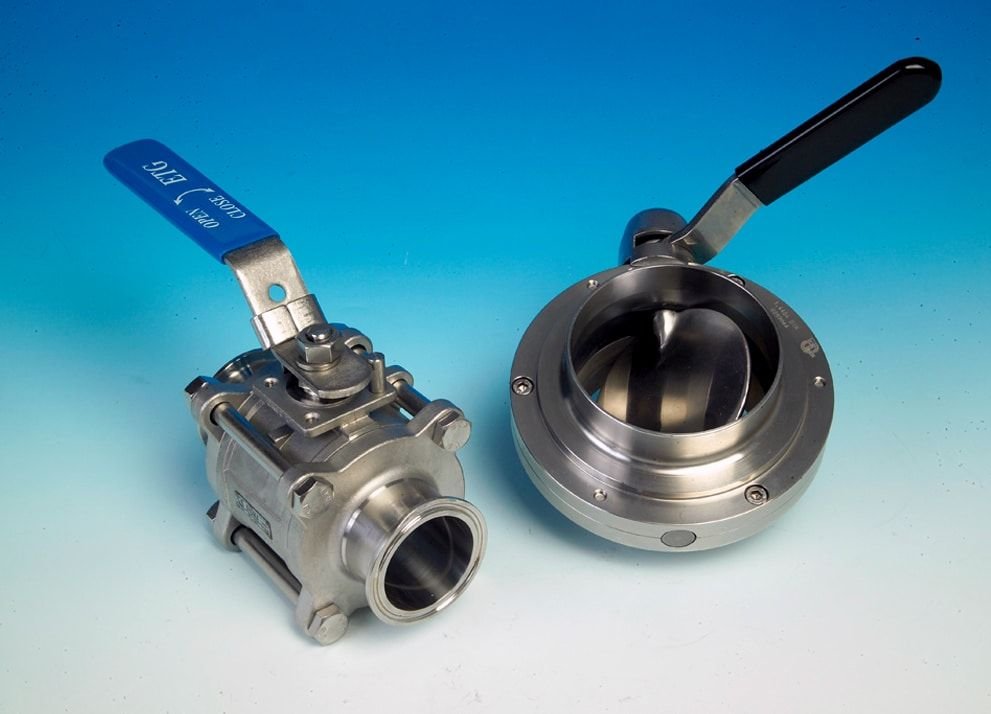
Fire protection valves are essential industrial safety components used in fire suppression systems, sprinkler networks, emergency water pipelines, and industrial fire control systems. These valves help regulate water flow, isolate fire protection zones, and maintain emergency response reliability in commercial and industrial facilities.
Modern fire protection systems require highly reliable valves because they operate under emergency conditions where equipment failure can lead to severe property damage and safety risks.
High-quality fire protection valves are designed to provide fast response, dependable sealing performance, corrosion resistance, and long-term operational reliability.
🔍 What Are Fire Protection Valves?
Definition and Function
Fire protection valves are used to:
- Control emergency water flow
- Isolate fire suppression zones
- Regulate sprinkler system operation
- Prevent backflow in fire pipelines
These valves are critical components in industrial and commercial fire safety systems.
Importance in Fire Safety Systems
Reliable valves help:
- Maintain emergency system readiness
- Protect buildings and equipment
- Improve fire response capability
- Reduce operational risks during emergencies
👉 Explore industrial valve solutions:
https://hongonvalve.com/
🧩 Main Types of Fire Protection Valves
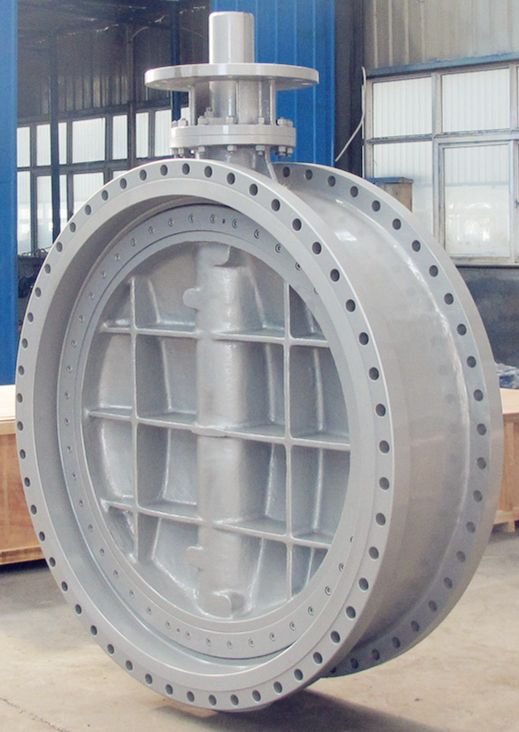
Butterfly Valves
Butterfly valves are widely used because of:
- Compact structure
- Fast quarter-turn operation
- Lightweight design
Suitable for:
- Fire sprinkler systems
- Industrial fire pipelines
- Commercial safety networks
👉 View industrial flanged valve products:
https://hongonvalve.com/product/flanged-valves/
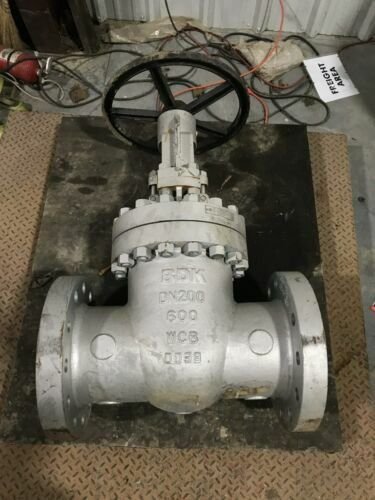
Gate Valves
Gate valves provide:
- Full open or close operation
- Strong shutoff capability
- Reliable pipeline isolation
Often installed in:
- Main fire water pipelines
- Underground fire systems
- Municipal fire networks
Check Valves
Check valves help:
- Prevent reverse water flow
- Protect fire pumps
- Maintain system pressure stability
Alarm Valves
Alarm valves:
- Activate fire alarm systems
- Detect water movement
- Improve emergency monitoring capability
🌍 Applications of Fire Protection Valves
Commercial Buildings
Used in:
- Office buildings
- Shopping centers
- Hotels and hospitals
Industrial Facilities
Installed in:
- Manufacturing plants
- Chemical facilities
- Energy production systems
Warehouses and Logistics Centers
Supports:
- Large storage facilities
- Distribution centers
- Automated fire suppression systems
Municipal Fire Systems
Used in:
- Public fire water networks
- Urban emergency systems
- Underground pipeline infrastructure
👉 Industry references:
https://www.nfpa.org/
https://www.iso.org/standards.html
🧱 Materials Used in Fire Protection Valves
Ductile Iron
- Durable and economical
- Common in fire pipeline systems
Stainless Steel
- Corrosion resistant
- Suitable for harsh environments
Epoxy Coated Components
Protective coatings help:
- Reduce corrosion risks
- Improve durability
- Extend service life
✅ Key Features of Fire Protection Valves
Reliable Shutoff Performance
Advanced sealing systems help:
- Prevent leakage
- Maintain emergency readiness
- Improve system reliability
Corrosion Resistance
Protective materials and coatings:
- Improve long-term durability
- Reduce maintenance costs
- Support outdoor installations
Emergency Operation Capability
Industrial fire protection valves are designed for:
- Fast emergency response
- Stable operation under pressure
- Long-term standby performance
🌐 Fire Protection Standards and Certifications
UL Certification
UL certification ensures:
- Product safety compliance
- Fire system reliability
- International market acceptance
FM Approval
FM approval supports:
- Industrial fire safety requirements
- Insurance compliance
- Operational reliability
ISO Standards
ISO certification improves:
- Manufacturing quality management
- Product consistency
- International compliance
🔍 How to Choose the Right Fire Protection Valves
Pressure Ratings
Select valves according to:
- Fire system pressure
- Pipeline requirements
- Emergency flow conditions
Pipeline Compatibility
Ensure compatibility with:
- Pipeline diameter
- Installation standards
- Fire system design
Valve Type Selection
Different systems may require:
- Butterfly valves
- Gate valves
- Check valves
- Alarm valves
⚙️ Manufacturing and Quality Control
CNC Machining
Precision machining improves:
- Product accuracy
- Surface finishing
- Operational reliability
Pressure and Leakage Testing
Manufacturers conduct:
- Hydrostatic pressure testing
- Seat leakage inspections
- Functional operation testing
Final Inspection Procedures
Quality control systems include:
- Material verification
- Dimensional inspection
- Product certification checks
🚀 Future Trends in Fire Protection Valve Technology
Smart Fire Protection Systems
Modern valves now support:
- IoT monitoring systems
- Remote status control
- Predictive maintenance technology
Automation in Manufacturing
Factories continue improving:
- Production precision
- Manufacturing efficiency
- Product consistency
Sustainable Safety Solutions
Manufacturers are adopting:
- Eco-friendly coatings
- Energy-efficient production systems
- Long-life valve materials
❓ FAQs
1. What are fire protection valves used for?
They control water flow in fire suppression and sprinkler systems.
2. What valve types are commonly used?
Butterfly valves, gate valves, check valves, and alarm valves.
3. Why are fire protection valves important?
They help maintain emergency fire safety and protect buildings and equipment.
4. What materials are commonly used?
Ductile iron, stainless steel, and epoxy-coated components.
5. What certifications are important?
UL, FM, and ISO certifications are commonly required.
6. Where can I find industrial fire protection valves?
Visit:
https://hongonvalve.com/
🏁 Conclusion
Modern fire protection valves play a critical role in industrial and commercial safety systems by ensuring reliable emergency water control and fire suppression performance. With advanced sealing technology, corrosion-resistant materials, and strict quality control systems, these valves help improve operational safety and long-term system reliability.
By choosing certified manufacturers with strong engineering support and international safety standards, businesses can ensure dependable fire protection performance for industrial and commercial applications.