
Article Outline
| Heading Level | Topic |
|---|---|
| H1 | Industrial Valve Supplier |
| H2 | Introduction to Industrial Valves |
| H3 | What Is an Industrial Valve |
| H3 | Role of an Industrial Valve Supplier |
| H2 | Types of Industrial Valves |
| H3 | Gate Valves |
| H3 | Globe Valves |
| H3 | Ball Valves |
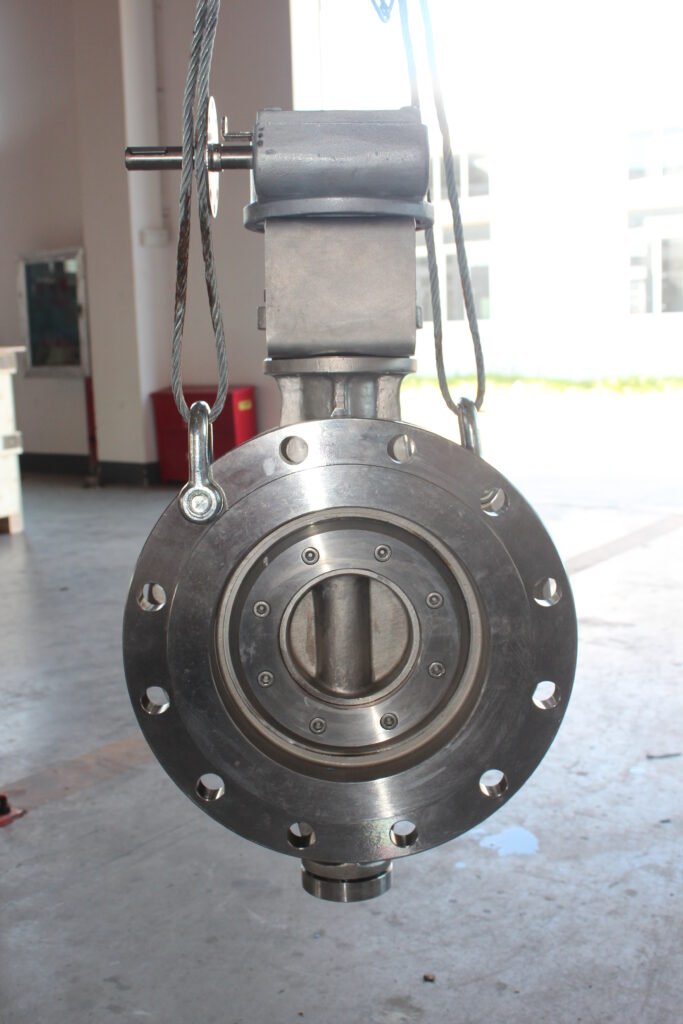
| H3 | Butterfly Valves |
| H2 | Materials Used in Industrial Valves |
| H3 | Metal Valves |
| H3 | Plastic Valves |
| H3 | Special Alloy Valves |
| H2 | Applications of Industrial Valves |
| H3 | Oil and Gas Industry |
| H3 | Water Treatment Plants |
| H3 | Chemical Processing |
| H2 | Advantages of Working with a Reliable Industrial Valve Supplier |
| H3 | Product Quality and Standards |
| H3 | Wide Product Range |
| H3 | Technical Support |
| H2 | How to Choose an Industrial Valve Supplier |
| H3 | Certifications and Compliance |
| H3 | Manufacturing Capabilities |
| H3 | After-Sales Services |
| H2 | Maintenance and Lifecycle of Industrial Valves |
| H2 | Future Trends in Industrial Valve Supply |
| H2 | Frequently Asked Questions |
| H2 | Conclusion |
Industrial Valve Supplier: Complete Guide to Efficient Flow Control Systems
An industrial valve supplier plays a critical role in modern industries by providing essential components that regulate the flow of liquids, gases, and slurries. Valves are fundamental to ensuring operational efficiency, safety, and reliability in a wide range of industrial processes.
At the core of these systems is the Industrial Valve, which controls, directs, and regulates fluid flow within pipelines and equipment. Choosing the right supplier ensures high-quality products, compliance with standards, and long-term system performance.
Introduction to Industrial Valves
Industrial valves are key components in fluid control systems.
What Is an Industrial Valve
An Industrial Valve is a mechanical device used to start, stop, or regulate the flow of fluids within a system.
Key functions include:
- Flow control
- Pressure regulation
- Directional control
- Isolation of system sections
Role of an Industrial Valve Supplier
An industrial valve supplier is responsible for:
- Providing a wide range of valve types
- Ensuring product quality and compliance
- Offering technical expertise
- Supporting installation and maintenance
A reliable supplier helps industries maintain safe and efficient operations.
Types of Industrial Valves
Different types of valves are used depending on application requirements.
Gate Valves
Gate valves are used for on/off control and provide minimal flow resistance when fully open.

Globe Valves
Globe valves are ideal for precise flow regulation.
Ball Valves
Ball valves use a rotating ball to control flow and offer quick operation and tight sealing.
Butterfly Valves
Butterfly valves are lightweight and suitable for large-diameter pipelines.
Materials Used in Industrial Valves
The choice of material affects valve performance and durability.
Metal Valves
Common materials include:
- Stainless steel
- Cast iron
- Brass
These materials provide strength and resistance to high pressure and temperature.
Plastic Valves
Used in low-pressure and corrosive environments.
Special Alloy Valves
Alloys such as Hastelloy and Inconel are used in extreme conditions.
Applications of Industrial Valves 🏭
Industrial valves are used across various industries.
Oil and Gas Industry
Valves control the flow of crude oil, natural gas, and refined products.
Water Treatment Plants
Used for regulating water flow and ensuring efficient treatment processes.
Chemical Processing
Valves handle corrosive and hazardous chemicals safely.
Advantages of Working with a Reliable Industrial Valve Supplier 🌟
Partnering with a trusted supplier offers several benefits.
Product Quality and Standards
High-quality valves ensure safety and long-term reliability.
Wide Product Range
Suppliers offer various valve types for different applications.
Technical Support
Expert guidance helps in selecting the right valves for specific needs.
How to Choose an Industrial Valve Supplier 🔍
Selecting the right supplier is critical for system performance.
Certifications and Compliance
Look for compliance with:
- ISO standards
- API standards
- Industry-specific certifications
Manufacturing Capabilities
Choose suppliers with advanced production facilities and quality control systems.
After-Sales Services
Reliable suppliers provide:
- Maintenance support
- Spare parts availability
- Technical assistance
Maintenance and Lifecycle of Industrial Valves
Proper maintenance extends the life of industrial valves.

Routine Maintenance
- Inspect for leaks
- Check seals and components
- Clean and lubricate moving parts
Lifecycle Management
Regular monitoring ensures optimal performance and prevents unexpected failures.
Future Trends in Industrial Valve Supply 🚀
The industrial valve industry is evolving with new technologies.
Smart Valves
Integration with sensors enables real-time monitoring and control.
Automation
Valves are increasingly integrated into automated industrial systems.
Eco-Friendly Designs
Manufacturers are developing energy-efficient and environmentally friendly valves.
Advanced Materials
New materials improve durability and resistance to extreme conditions.
Frequently Asked Questions
What does an industrial valve supplier provide?
They supply valves used for controlling fluid flow in industrial systems.
What industries use industrial valves?
Industries include oil and gas, water treatment, chemical processing, and manufacturing.
What are the main types of valves?
Gate, globe, ball, and butterfly valves are the most common types.
How do I choose the right valve?
Consider factors such as pressure, temperature, and fluid type.
Why is supplier quality important?
A reliable supplier ensures product durability, safety, and compliance.
How often should valves be maintained?
Regular inspections and maintenance are recommended to ensure optimal performance.
Conclusion
An industrial valve supplier is essential for providing high-quality Industrial Valve solutions that ensure efficient and safe fluid control across industries. From oil and gas to water treatment and chemical processing, valves play a crucial role in maintaining operational efficiency.
By choosing a reliable supplier with strong technical expertise and quality assurance, industries can achieve improved performance, reduced downtime, and long-term reliability. As technology advances, industrial valve suppliers will continue to innovate, supporting smarter and more sustainable industrial systems. 🔧