
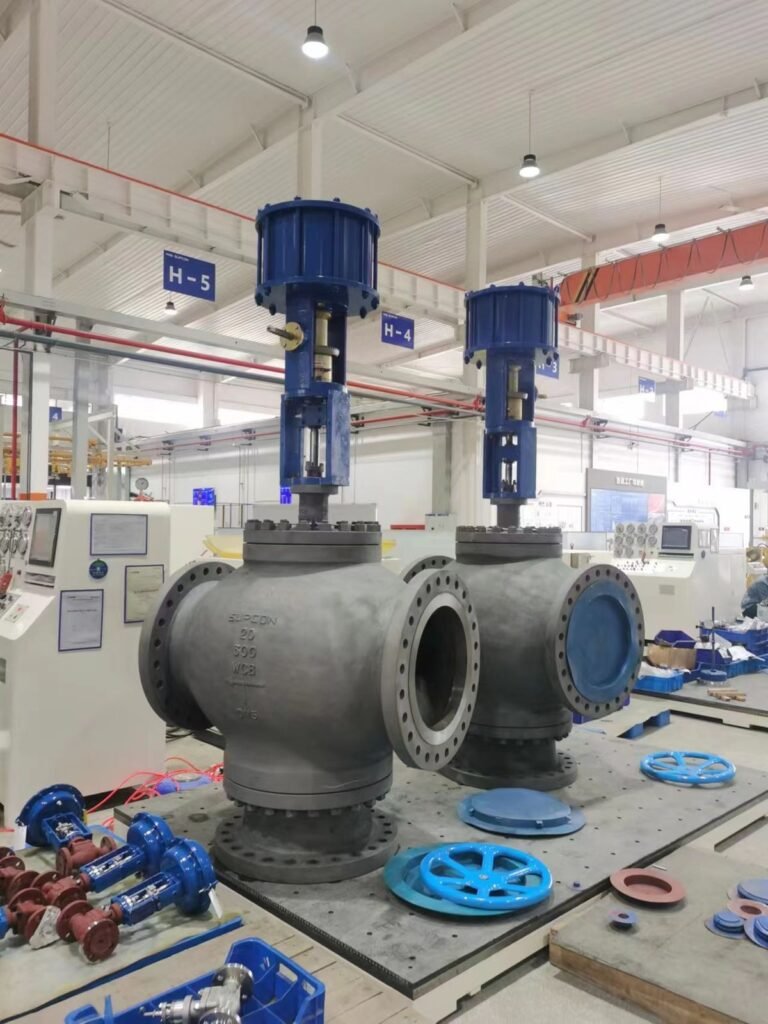
What Is a Manual Butterfly Valve?
A manual butterfly valve is a quarter-turn flow control valve operated by hand using a lever handle, handwheel, or gearbox instead of an automatic actuator. It is designed to regulate or isolate the flow of liquids and gases in piping systems through the rotation of a circular disc mounted on a central shaft.
When the operator turns the handle or gearbox, the disc rotates between the open and closed positions. This simple operating method makes manual butterfly valves reliable, economical, and easy to maintain.
Manual butterfly valves are widely used in water treatment, wastewater systems, HVAC, fire protection, irrigation, chemical processing, marine applications, and general industrial pipelines. They are available in wafer, lug, and flanged butterfly valve designs to meet different installation requirements.
How Does a Manual Butterfly Valve Work?
A manual butterfly valve operates through a simple quarter-turn mechanism.
- Open Position: The operator rotates the handle or gearbox, turning the disc parallel to the pipeline. This allows fluid to flow through the valve with minimal resistance.
- Closed Position: The disc rotates 90 degrees until it blocks the pipeline and presses against the valve seat, creating a tight shut-off.
The manual operating system provides direct control without requiring electricity, compressed air, or hydraulic power.
Advantages of Manual Butterfly Valves
A manual butterfly valve provides many benefits for industrial and commercial applications:
- Simple and reliable operation
- No external power required
- Low installation cost
- Compact and lightweight design
- Easy maintenance
- Low operating torque
- Quick opening and closing
- Long service life
- Suitable for various media
- Available in multiple materials and sizes
These advantages make manual butterfly valves a practical choice for applications where automatic control is unnecessary.
Types of Manual Butterfly Valves
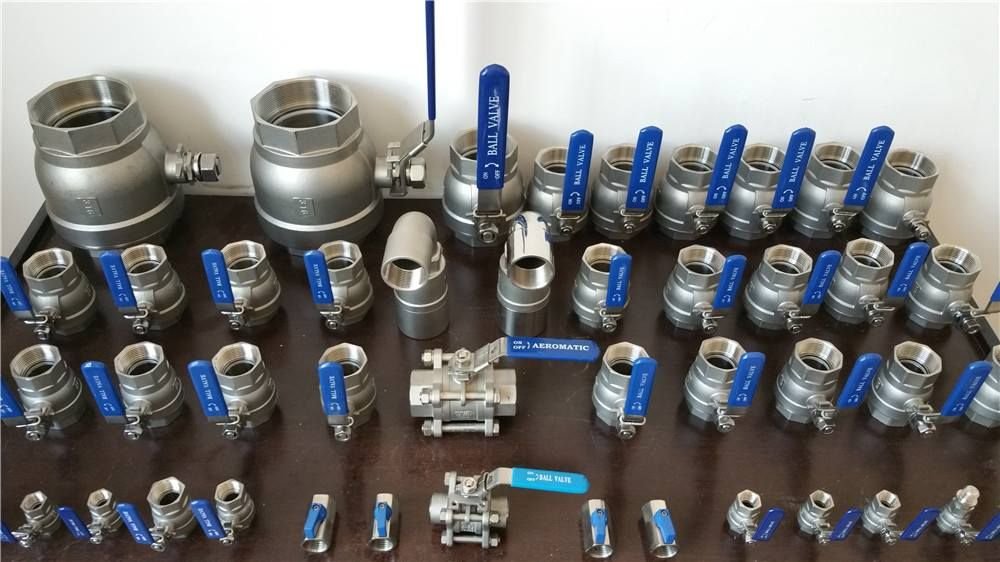
Lever Operated Butterfly Valve
A lever-operated butterfly valve uses a direct handle mechanism for quick quarter-turn operation.
Advantages
- Fast operation
- Simple design
- Low cost
- Easy visual position indication
Common Applications
- Small-diameter pipelines
- HVAC systems
- Water systems
Gear Operated Butterfly Valve
A gear-operated butterfly valve uses a worm gear mechanism to reduce operating torque.
Advantages
- Suitable for large valve sizes
- Easier operation under high pressure
- Precise flow adjustment
Common Applications
- Large water pipelines
- Industrial systems
- Municipal infrastructure
Wafer Manual Butterfly Valve
A wafer design is installed between two flanges and provides a compact solution.
Applications
- Water treatment
- Utility systems
- HVAC pipelines
Lug Manual Butterfly Valve
A lug design includes threaded inserts for easier maintenance and end-of-line applications.
Applications
- Industrial processing
- Pump systems
- Chemical facilities
Flanged Manual Butterfly Valve
A flanged butterfly valve provides a secure bolted connection and is commonly used in larger pipelines requiring improved stability.
Applications
- Water distribution
- Oil and gas systems
- Heavy industrial applications
Common Materials Used in Manual Butterfly Valves
Manual butterfly valves are manufactured using different materials based on operating conditions.
| Component | Common Materials |
|---|---|
| Body | Ductile Iron, Cast Iron, Carbon Steel, Stainless Steel |
| Disc | Stainless Steel, Ductile Iron, Aluminum Bronze |
| Shaft | Stainless Steel |
| Seat | EPDM, NBR, PTFE, FKM |
Material selection depends on pressure, temperature, corrosion level, and fluid compatibility.
Seat Material Selection
The valve seat plays an important role in sealing performance.
| Seat Material | Typical Application |
| EPDM | Water, wastewater, HVAC |
| NBR | Oil, fuel, compressed air |
| PTFE | Chemical and corrosive media |
| FKM | High-temperature applications |
| Metal Seat | High-temperature and abrasive service |
Selecting the correct seat material ensures reliable sealing and longer operating life.
Pressure Ratings and Sizes
Manual butterfly valves are available in various pressure classes and sizes.
Common Sizes
- DN40–DN2000+
- 1½”–80″+
Common Pressure Ratings
- PN10
- PN16
- PN25
- PN40
- ANSI Class 150
- ANSI Class 300
The correct pressure rating should always match the system design requirements.
Industrial Applications
Water Treatment
Manual butterfly valves are widely used in:
- Drinking water plants
- Filtration systems
- Water distribution pipelines
Wastewater Treatment
Common applications include:
- Sewage treatment systems
- Sludge pipelines
- Drainage systems
HVAC Systems
Used for:
- Chilled water systems
- Heating systems
- Cooling towers
Fire Protection Systems
Applied in:
- Fire pump rooms
- Sprinkler systems
- Water supply networks
Chemical Processing
Suitable for:
- Utility pipelines
- Process water
- Chemical transfer systems
Marine Applications
Used in:
- Cooling water systems
- Ballast systems
- Ship piping networks
Manual Butterfly Valve vs. Actuated Butterfly Valve
| Feature | Manual Butterfly Valve | Actuated Butterfly Valve |
| Operation | Hand operated | Automatic operation |
| Power Requirement | None | Electricity, air, or hydraulic power |
| Cost | Lower | Higher |
| Maintenance | Simple | More complex |
| Best For | Local control | Remote or automated control |
Manual valves are ideal when operators can easily access the valve location, while actuated valves are preferred for automated systems.
How to Choose the Right Manual Butterfly Valve
When selecting a manual butterfly valve, consider:
- Pipeline diameter
- Operating pressure
- Working temperature
- Fluid characteristics
- Valve body material
- Disc material
- Seat material
- Connection type
- Operating frequency
- Installation environment
Proper selection improves safety, efficiency, and valve service life.
Tip: For industrial piping systems requiring a strong flange connection, explore our Flanged Butterfly Valve product range for suitable solutions.
Quality Standards and Certifications
Reliable manual butterfly valves are manufactured according to international standards, including:
- ISO 9001
- API 609
- API 598
- EN 593
- CE Certification
- DIN
- ANSI / ASME
- JIS
- WRAS (for potable water applications)
Compliance with these standards ensures consistent quality, reliable sealing, and safe operation.
Frequently Asked Questions
What is a manual butterfly valve?
A manual butterfly valve is a hand-operated quarter-turn valve used to control or isolate fluid flow in piping systems without requiring automatic actuators.
How does a manual butterfly valve operate?
It operates by turning a handle, lever, or gearbox that rotates the disc inside the valve body to open or close the flow path.
What is the difference between a lever and gear-operated butterfly valve?
Lever-operated valves are suitable for smaller sizes and quick operation, while gear-operated valves are designed for larger valves requiring lower operating torque.
Where are manual butterfly valves commonly used?
They are widely used in water treatment, wastewater, HVAC, fire protection, irrigation, chemical processing, marine, and industrial systems.
Can a manual butterfly valve be automated later?
Yes. Many manual butterfly valves can be upgraded with electric, pneumatic, or hydraulic actuators if automation is required.
How do I choose the right manual butterfly valve?
Consider the pipeline size, pressure rating, temperature, media compatibility, material selection, connection type, and operating requirements.
Conclusion
A manual butterfly valve is a reliable, economical, and easy-to-operate solution for industrial and commercial flow control applications. Its simple quarter-turn design, low maintenance requirements, and wide material availability make it suitable for water treatment, HVAC, wastewater, chemical processing, marine, and general industrial systems.
Whether selecting a lever-operated, gear-operated, wafer, lug, or flanged butterfly valve design, choosing the correct materials, pressure rating, and sealing system will ensure efficient operation, long service life, and dependable performance.