
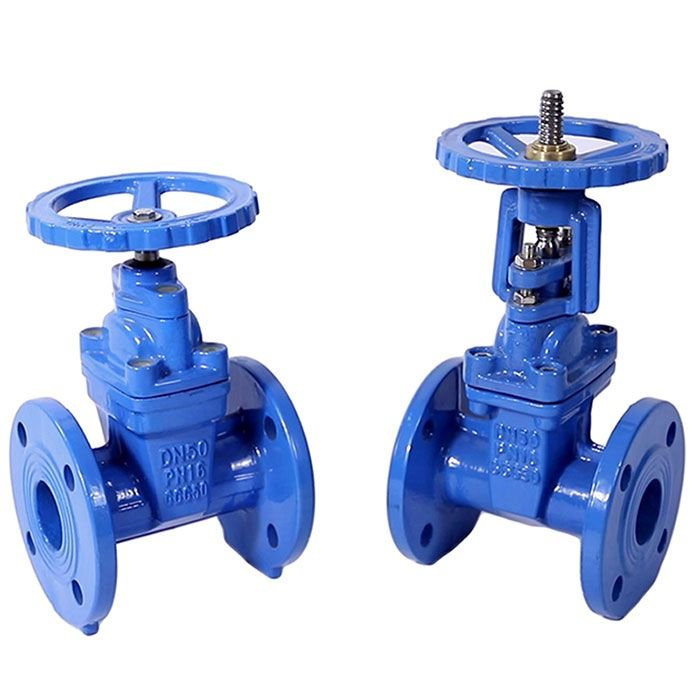
What Is a Metal Seated Butterfly Valve?
A metal seated butterfly valve is a high-performance butterfly valve that uses metal-to-metal sealing surfaces instead of traditional rubber or polymer seats. This design allows the valve to operate reliably under extreme temperatures, high pressures, abrasive media, and demanding industrial conditions.
Unlike soft-seated butterfly valves, which rely on elastomeric materials such as EPDM or NBR for sealing, metal seated butterfly valves use precision-machined metal seats that maintain sealing integrity even in harsh operating environments.
These valves are commonly found in:
- Oil and gas facilities
- Refineries
- Petrochemical plants
- Power generation stations
- Chemical processing systems
- Steel and mining industries
Because of their durability and resistance to extreme conditions, metal seated butterfly valves are often selected for critical process applications.
How Does a Metal Seated Butterfly Valve Work?
A metal seated butterfly valve operates using a rotating disc that turns 90 degrees to open or close the flow path.
Most modern designs utilize a double offset or triple offset geometry to eliminate friction between the sealing surfaces during operation.
When the valve closes:
- The disc gradually contacts the metal seat.
- Precision-machined sealing surfaces create a tight seal.
- Metal-to-metal contact withstands high temperatures and pressure fluctuations.
This design significantly reduces wear and extends service life.
Valve Positions
| Disc Position | Valve Status |
|---|---|
| 0° | Fully Closed |
| 45° | Flow Regulation |
| 90° | Fully Open |
Key Features of Metal Seated Butterfly Valve
High-Temperature Resistance
One of the biggest advantages of a metal seated butterfly valve is its ability to operate at temperatures that exceed the limits of soft-seated valves.
Depending on materials and design, temperatures may reach:
- 400°C
- 500°C
- 600°C
- Above 800°C in specialized applications
Excellent Wear Resistance
Metal seats withstand:
- Abrasive particles
- High-velocity flow
- Repeated operating cycles
This makes them ideal for severe-service conditions.
High Pressure Capability
Metal seated butterfly valves are commonly designed for:
- PN16
- PN25
- PN40
- ANSI Class 150
- ANSI Class 300
- ANSI Class 600
applications.
Fire-Safe Design
Many metal seated butterfly valves meet international fire-safe standards required in critical industries.
Advantages of Metal Seated Butterfly Valve
Long Service Life
The robust metal sealing system resists deformation and deterioration.
Benefits include:
- Reduced maintenance
- Longer replacement intervals
- Improved operational reliability
Superior Performance in Extreme Conditions
These valves are specifically designed to handle:
- High temperatures
- High pressures
- Corrosive fluids
- Abrasive media
Reliable Shutoff Capability
Precision-machined sealing surfaces provide dependable isolation for critical process systems.
Suitable for Automation
Metal seated butterfly valves can be equipped with:
- Electric actuators
- Pneumatic actuators
- Hydraulic actuators
for automated process control.
Types of Metal Seated Butterfly Valve
Double Offset Metal Seated Butterfly Valve
Features:
- Reduced seat wear
- Improved sealing performance
- Lower operating torque
Applications:
- Power plants
- Chemical facilities
- Industrial processing
Triple Offset Metal Seated Butterfly Valve
Benefits:
- Friction-free sealing
- Near-zero leakage
- Extended service life
Applications:
- Refineries
- LNG facilities
- Offshore platforms
High-Performance Metal Seated Butterfly Valve
Designed for severe service applications requiring superior durability and reliability.
Common Materials Used
Stainless Steel
Advantages:
- Corrosion resistance
- High-temperature capability
- Long service life
Applications:
- Chemical processing
- Marine systems
- Petrochemical facilities
Carbon Steel
Benefits:
- High strength
- Pressure resistance
- Cost-effective solution
Applications:
- Power generation
- Industrial utilities
Duplex Stainless Steel
Provides:
Special Alloys
Severe-service environments may require:
- Inconel
- Monel
- Hastelloy
- Titanium
These materials offer exceptional resistance to corrosion and temperature extremes.
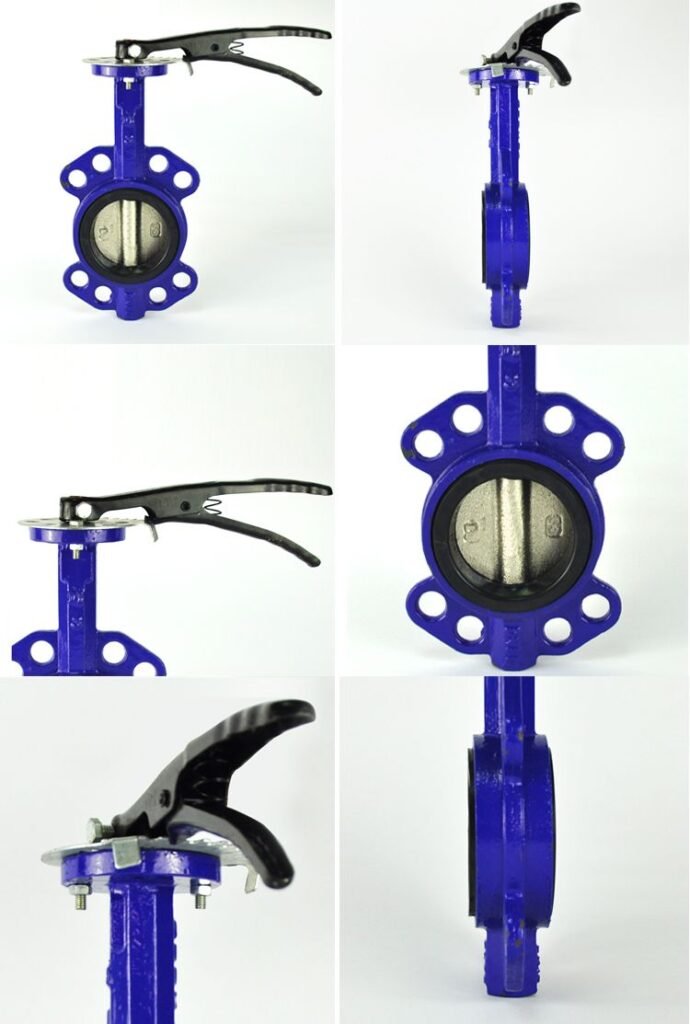
Applications of Metal Seated Butterfly Valve
Oil and Gas Industry
Metal seated butterfly valves are extensively used in:
- Crude oil pipelines
- Refineries
- Gas processing facilities
- Offshore production platforms
Their durability and fire-safe capabilities are critical in these environments.
Power Generation
Power plants use metal seated butterfly valves in:
- Steam systems
- Cooling water networks
- High-temperature process lines
Chemical Processing Plants
Suitable for:
- Aggressive chemicals
- Corrosive fluids
- High-temperature processes
Mining and Metallurgy
The wear-resistant design performs well in abrasive applications involving slurries and particulate matter.
Marine and Offshore Applications
Used in:
- Ballast systems
- Process pipelines
- Utility services
Metal Seated Butterfly Valve vs Soft Seated Butterfly Valve
| Feature | Metal Seated Butterfly Valve | Soft Seated Butterfly Valve |
|---|---|---|
| Seat Material | Metal | Rubber or Polymer |
| Temperature Capability | Very High | Moderate |
| Wear Resistance | Excellent | Good |
| Pressure Rating | Higher | Lower |
| Service Life | Longer | Standard |
| Initial Cost | Higher | Lower |
| Severe-Service Suitability | Excellent | Limited |
For high-temperature and critical industrial applications, metal seated butterfly valves are generally the preferred choice.
How to Choose the Right Metal Seated Butterfly Valve
Assess Operating Conditions
Consider:
- Pressure requirements
- Temperature range
- Process media
Select Suitable Materials
Material compatibility directly impacts valve performance and lifespan.
Determine Shutoff Requirements
Applications requiring tight shutoff should use precision-engineered sealing systems.
Choose the Appropriate Actuator
Options include:
- Manual gearbox
- Pneumatic actuator
- Electric actuator
- Hydraulic actuator
Automation improves efficiency and process control.
Manufacturing and Quality Standards
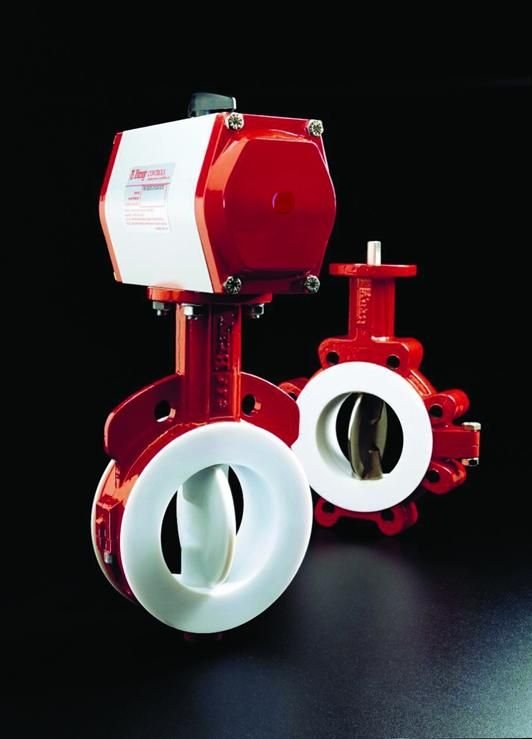
Reliable manufacturers perform comprehensive testing before shipment.
Common Testing Procedures
- Hydrostatic pressure testing
- Seat leakage testing
- Torque testing
- Fire-safe testing
- Operational cycle testing
Industry Certifications
Look for compliance with:
- ISO 9001
- API Standards
- CE Certification
Industry references:
For industrial butterfly valve solutions, visit:
https://hongonvalve.com/
Frequently Asked Questions
What is a metal seated butterfly valve?
A metal seated butterfly valve uses metal-to-metal sealing surfaces to provide reliable performance under high temperatures, high pressures, and severe operating conditions.
What are the advantages of a metal seated butterfly valve?
High-temperature resistance, long service life, wear resistance, and suitability for critical industrial applications.
Where are metal seated butterfly valves used?
Oil and gas, power generation, chemical processing, mining, marine, and petrochemical industries.
Can metal seated butterfly valves handle steam applications?
Yes. They are commonly used in steam systems where soft-seated valves may fail due to high temperatures.
What is the difference between metal seated and soft seated butterfly valves?
Metal seated valves use metal sealing surfaces for severe service, while soft seated valves use elastomeric materials for lower-temperature applications.
Are metal seated butterfly valves suitable for automation?
Yes. They can be equipped with electric, pneumatic, or hydraulic actuators.
Conclusion
A metal seated butterfly valve is the ideal solution for industries operating under extreme temperatures, high pressures, and severe service conditions. Its durable metal-to-metal sealing system, excellent wear resistance, and long operational life make it a reliable choice for critical applications in oil and gas, power generation, chemical processing, and heavy industry.
By selecting the appropriate design, materials, and actuation method, operators can achieve improved system reliability, reduced maintenance costs, and superior long-term performance.