
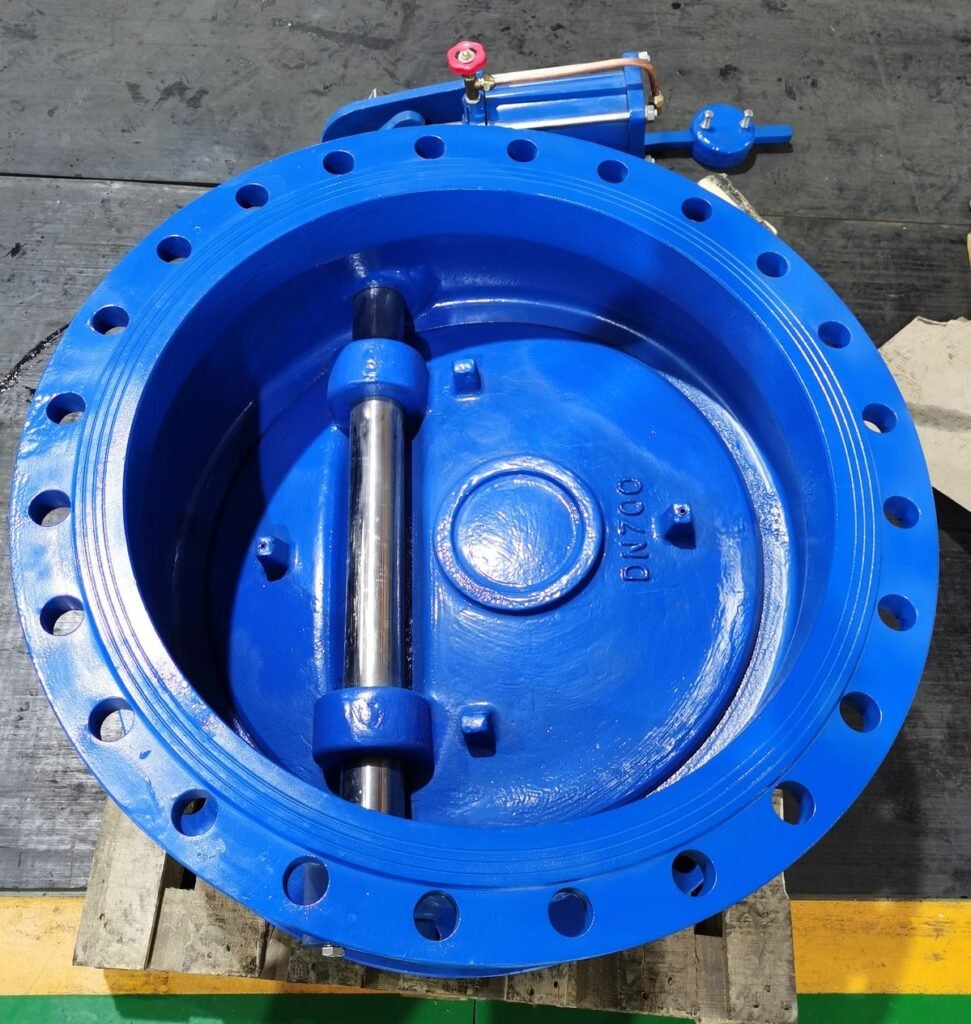
What Is a Resilient Seated Butterfly Valve?
A resilient seated butterfly valve is a quarter-turn valve that uses a flexible elastomer seat to create a tight seal between the valve disc and body. The resilient seat is typically made from rubber or synthetic materials such as EPDM, NBR, or Viton, providing excellent sealing performance and low operating torque.
Because of its reliable shutoff capability and economical design, the resilient seated butterfly valve is one of the most widely used valve types in:
- Water treatment plants
- Municipal water systems
- Wastewater facilities
- HVAC systems
- Fire protection networks
- Irrigation systems
How Does a Resilient Seated Butterfly Valve Work?
The valve operates using a rotating disc mounted on a central shaft.
Working Principle
- The disc rotates inside the valve body.
- When parallel to the flow, the valve is fully open.
- When rotated 90 degrees, the disc compresses against the resilient seat.
- The flexible seat creates a bubble-tight seal that prevents leakage.
This simple quarter-turn operation allows fast opening and closing while maintaining excellent sealing performance.
Key Features of a Resilient Seated Butterfly Valve
Bubble-Tight Sealing
The resilient seat provides excellent shutoff performance with minimal leakage.
Low Operating Torque
Soft seat materials reduce friction and make operation easier.
Compact Design
Requires less installation space than many traditional valve types.
Lightweight Construction
Reduces handling and installation costs.
Cost-Effective Solution
Offers excellent performance at a competitive price.
Easy Maintenance
Simple construction allows quick servicing and replacement of components.
Main Components of a Resilient Seated Butterfly Valve
Valve Body
Common materials include:
- Ductile iron
- Cast iron
- Stainless steel
- Carbon steel
Valve Disc
Controls fluid flow through rotation.
Popular disc materials:
- Ductile iron
- Stainless steel 304
- Stainless steel 316
- Aluminum bronze
Resilient Seat
The most important sealing component.
Common seat materials include:
| Seat Material | Typical Application |
|---|---|
| EPDM | Water and HVAC systems |
| NBR | Oil-containing media |
| PTFE | Chemical processing |
| Viton | High-temperature applications |
Stem (Shaft)
Transfers motion from the actuator to the disc.
Actuator
Available options:
- Lever handle
- Worm gear
- Pneumatic actuator
- Electric actuator
Advantages of Resilient Seated Butterfly Valves
Excellent Sealing Performance
Provides reliable leak-tight shutoff for most low- and medium-pressure systems.
Long Service Life
Flexible seat materials withstand repeated operating cycles.
Reduced Installation Costs
Compact dimensions lower installation requirements.
Fast Operation
Quarter-turn design enables rapid opening and closing.
Wide Material Availability
Can be configured for various fluids and operating conditions.
Suitable for Automation
Compatible with pneumatic and electric actuators.
Types of Resilient Seated Butterfly Valves
Wafer Type Resilient Seated Butterfly Valve
Installed between two flanges.
Advantages
- Lightweight
- Economical
- Compact
Applications:
- Water treatment
- HVAC systems
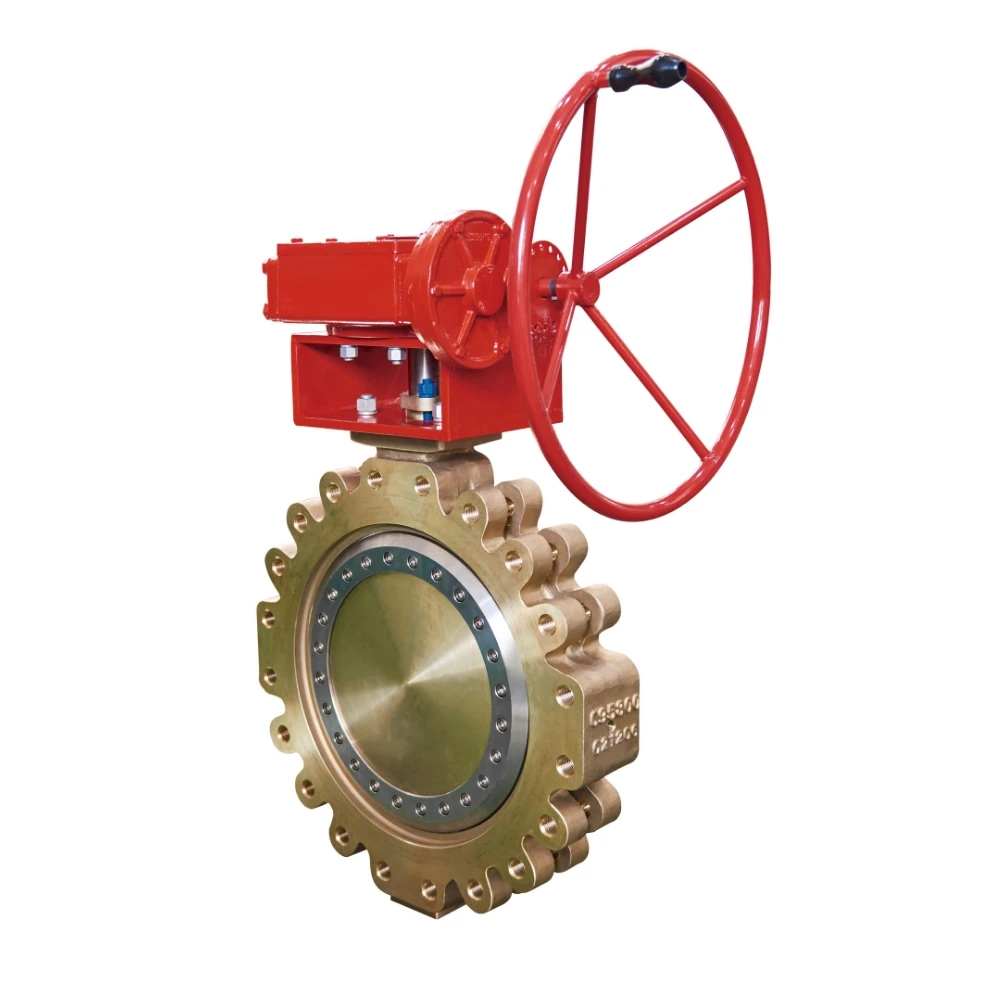
Lug Type Resilient Seated Butterfly Valve
Uses threaded inserts around the body.
Benefits
- Easier maintenance
- End-of-line service capability
Applications:
- Industrial utility systems
- Process pipelines
Flanged Resilient Seated Butterfly Valve
Provides a stronger pipeline connection.
Advantages
- Enhanced stability
- Suitable for larger diameters
Applications:
- Municipal water distribution
- Infrastructure projects
Applications of Resilient Seated Butterfly Valves
Water Treatment Plants
Used for:
- Clean water distribution
- Filtration systems
- Pump stations
Wastewater Treatment
Applications include:
- Effluent control
- Sludge pipelines
- Treatment processes
HVAC Systems
Suitable for:
- Chilled water systems
- Heating networks
- Building services
Fire Protection Systems
Used in:
- Fire sprinkler systems
- Fire water supply lines
Irrigation Networks
Applications include:
- Agricultural water systems
- Pump stations
- Water distribution channels
Resilient Seated vs Metal Seated Butterfly Valve
| Feature | Resilient Seated Butterfly Valve | Metal Seated Butterfly Valve |
|---|---|---|
| Sealing Performance | Excellent | Good |
| Leakage Rate | Very Low | Low |
| Operating Torque | Lower | Higher |
| Temperature Resistance | Moderate | Higher |
| Cost | Lower | Higher |
| Water Applications | Excellent | Good |
For water and general industrial applications, resilient seated butterfly valves are typically the preferred choice.
Pressure Ratings and Sizes
Common pressure ratings:
- PN10
- PN16
- PN25
Typical size range:
- DN40 to DN2000+
The correct valve size should be selected according to system flow requirements and pressure conditions.
Quality Standards and Certifications
Professional manufacturers comply with international standards.
Common Certifications
- ISO 9001
- CE Certification
- WRAS Approval
- EN Standards
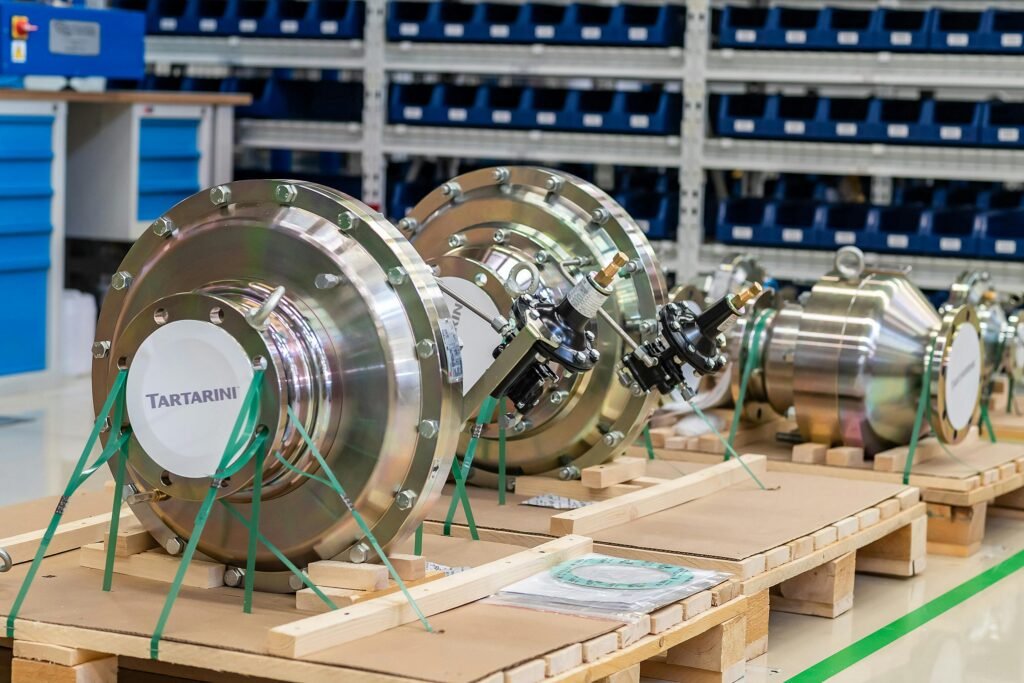
Testing Procedures
- Hydrostatic pressure testing
- Seat leakage testing
- Operational testing
- Material verification
Industry references:
How to Choose the Right Resilient Seated Butterfly Valve
Consider Media Compatibility
Select seat material suitable for the fluid being handled.
Check Operating Temperature
Different elastomers have different temperature limits.
Verify Pressure Rating
Choose PN10, PN16, or PN25 according to system requirements.
Select Appropriate End Connection
Options include:
- Wafer
- Lug
- Flanged
Determine Actuation Method
Manual, pneumatic, or electric operation can be selected based on application needs.
Frequently Asked Questions
What is a resilient seated butterfly valve?
A butterfly valve that uses a flexible elastomer seat to create a leak-tight seal between the disc and body.
What are the advantages of resilient seated butterfly valves?
Excellent sealing, low operating torque, compact design, and cost-effective performance.
Which seat materials are commonly used?
EPDM, NBR, PTFE, and Viton are the most common options.
What industries use resilient seated butterfly valves?
Water treatment, wastewater, HVAC, irrigation, and fire protection industries.
Can resilient seated butterfly valves be automated?
Yes. They can be fitted with pneumatic or electric actuators.
What pressure ratings are available?
PN10, PN16, and PN25 are commonly available.
Conclusion
A resilient seated butterfly valve is one of the most reliable and economical solutions for water, wastewater, HVAC, fire protection, and industrial flow control applications. Its bubble-tight sealing capability, low operating torque, lightweight construction, and easy maintenance make it a preferred choice for a wide range of pipeline systems.
By selecting the correct seat material, pressure rating, and valve configuration, users can achieve long-term reliability, efficient flow control, and reduced operating costs.