
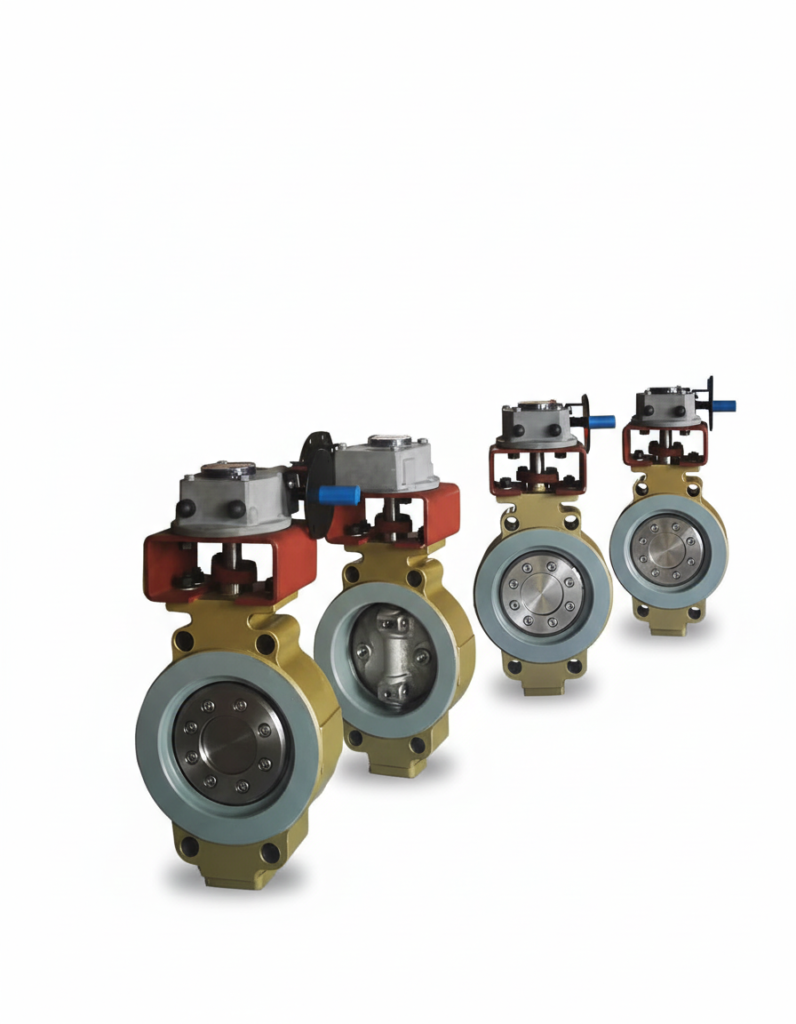
What Is a Resilient Seated Butterfly Valve?
A resilient seated butterfly valve is a quarter-turn valve that uses a flexible elastomer seat to create a bubble-tight seal between the valve disc and the seat. The resilient seat compensates for minor wear and manufacturing tolerances, providing excellent sealing performance with low operating torque.
Resilient seated butterfly valves are widely used in water treatment, wastewater treatment, HVAC, fire protection, irrigation systems, food processing, and general industrial applications where reliable shutoff and economical operation are required.
How Does a Resilient Seated Butterfly Valve Work?
A resilient seated butterfly valve operates by rotating a circular disc through 90 degrees.
- Open Position: The disc aligns parallel to the flow, allowing fluid to pass with minimal pressure loss.
- Closed Position: The disc presses against the resilient elastomer seat, creating a tight, leak-resistant seal.
The flexible seat absorbs minor misalignment and provides consistent sealing over thousands of operating cycles.
Key Advantages of Resilient Seated Butterfly Valves
A resilient seated butterfly valve offers several important benefits:
- Bubble-tight sealing performance
- Low operating torque
- Compact and lightweight construction
- Cost-effective solution
- Easy installation
- Minimal maintenance requirements
- Long service life in clean media
- Suitable for manual and automated operation
- Excellent corrosion resistance with appropriate materials
These advantages make resilient seated butterfly valves one of the most popular valve choices for low- and medium-pressure systems.
Common Types of Resilient Seated Butterfly Valves
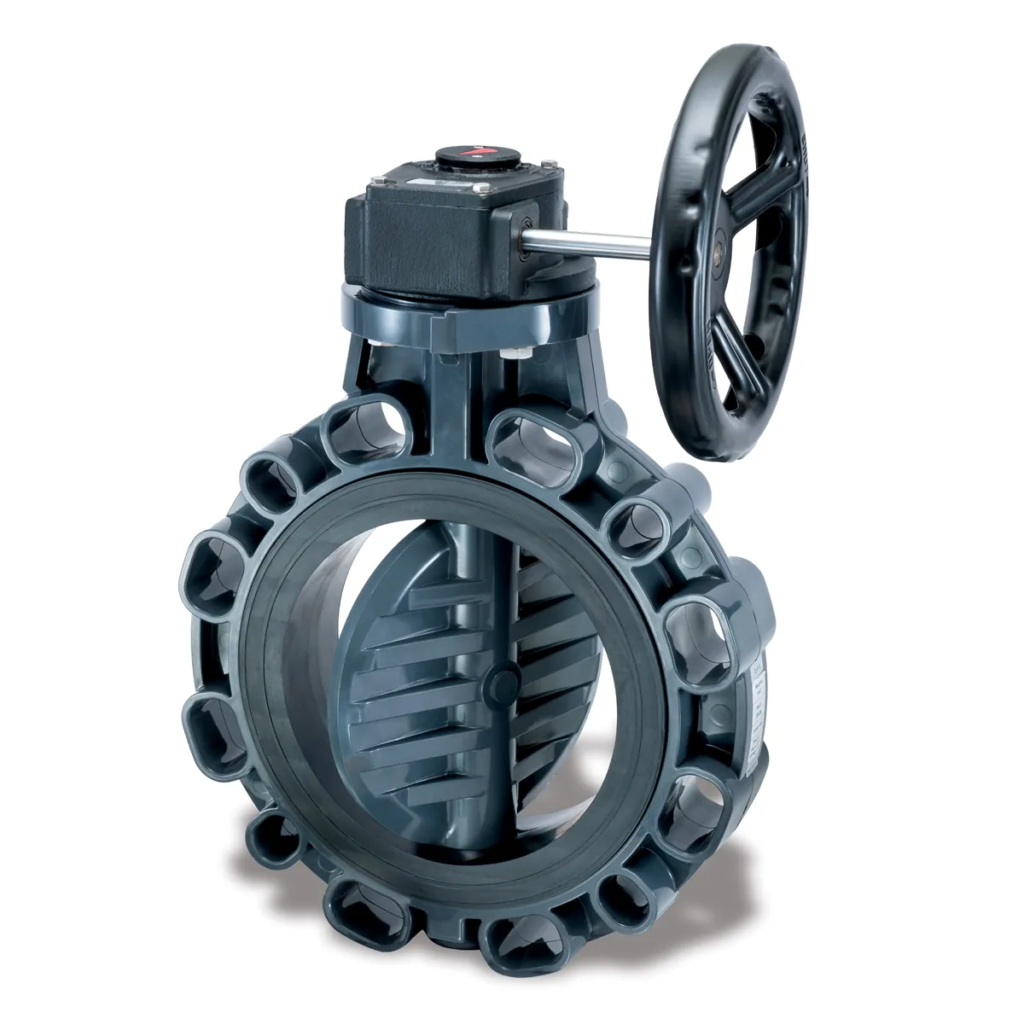
Wafer Resilient Seated Butterfly Valve
Installed between two pipe flanges using through bolts.
Applications
- Municipal water systems
- HVAC
- Water treatment
Lug Resilient Seated Butterfly Valve
Features threaded lugs for independent flange mounting.
Applications
- Industrial processing
- Pump stations
- End-of-line service
Flanged Resilient Seated Butterfly Valve
Provides a secure flange connection for larger pipelines.
Applications
- Water distribution
- Wastewater treatment
- Industrial utilities
Electric Resilient Seated Butterfly Valve
Operated by an electric actuator for automated flow control.
Applications
- Smart water networks
- Industrial automation
- Remote-controlled systems
Pneumatic Resilient Seated Butterfly Valve
Uses compressed air for fast and reliable operation.
Applications
- Manufacturing plants
- Process automation
- Chemical handling systems
Materials Used
Selecting the correct materials ensures long-term performance and media compatibility.
Body Materials
- Ductile Iron
- Carbon Steel
- Stainless Steel
- Cast Steel
Disc Materials
- Stainless Steel 304
- Stainless Steel 316
- Ductile Iron with Epoxy Coating
- Aluminum Bronze
Seat Materials
| Seat Material | Typical Application |
|---|---|
| EPDM | Drinking water, wastewater, HVAC |
| NBR | Oil-based fluids and compressed air |
| PTFE | Corrosive chemicals |
| Viton | High-temperature fluids |
Pressure Ratings and Sizes
Resilient seated butterfly valves are manufactured in a wide range of sizes and pressure classes.
Common Sizes
- DN40–DN2000+
- 1½”–80″+
Common Pressure Ratings
- PN10
- PN16
- PN25
- ANSI Class 150
These valves are primarily designed for low- and medium-pressure industrial systems.
Industrial Applications
Water Treatment
Used in:
- Water purification
- Distribution systems
- Pump stations
Wastewater Treatment
Installed in:
- Sludge handling
- Clarifiers
- Effluent pipelines
HVAC Systems
Suitable for:
- Chilled water systems
- Heating networks
- Cooling towers
Fire Protection
Applications include:
- Fire sprinkler systems
- Fire pump stations
- Emergency water supply
Food and Beverage
Commonly used for:
- Process water
- Utility services
- Cleaning systems
Irrigation Systems
Installed in:
- Agricultural irrigation
- Water distribution
- Pump control stations
Manual and Automated Operation
Resilient seated butterfly valves support various operating methods:
- Lever handle
- Worm gear operator
- Electric actuator
- Pneumatic actuator
Automation improves operational efficiency and integrates easily with industrial control systems.
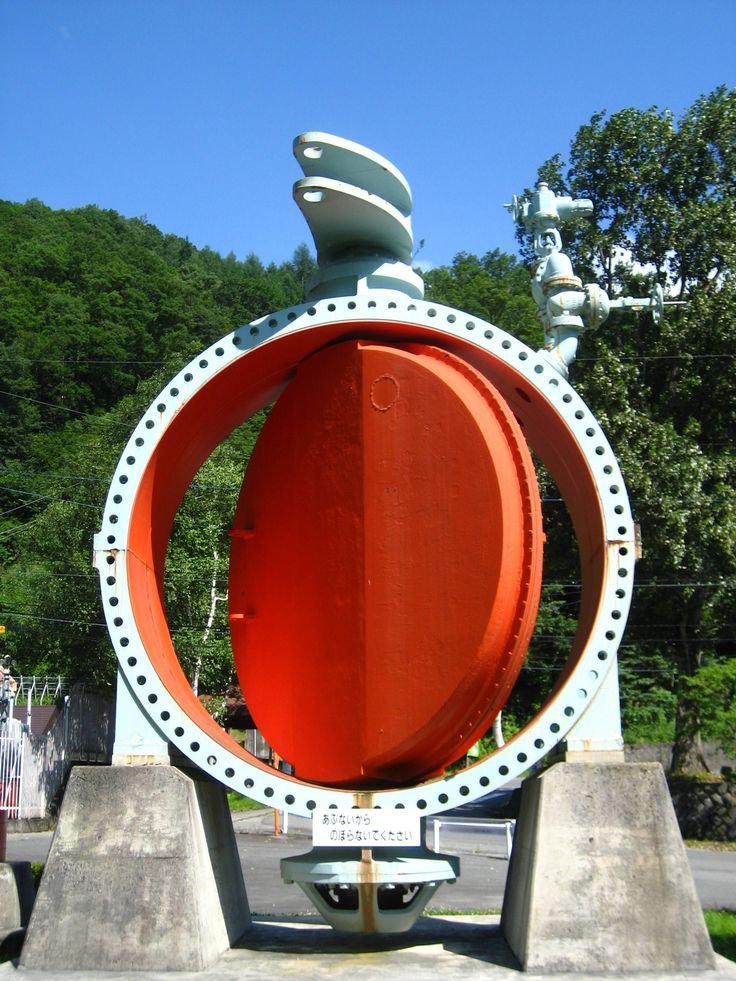
Resilient Seated vs. Metal Seated Butterfly Valve
| Feature | Resilient Seated | Metal Seated |
| Sealing Type | Elastomer seat | Metal-to-metal |
| Leakage Performance | Bubble-tight | Excellent for severe service |
| Temperature Capability | Moderate | Very High |
| Pressure Capability | Low to Medium | Medium to High |
| Cost | More economical | Higher |
| Typical Applications | Water, HVAC, wastewater | Steam, oil & gas, power plants |
How to Choose the Right Resilient Seated Butterfly Valve
When selecting a resilient seated butterfly valve, consider:
- Pipeline diameter
- Operating pressure
- Temperature range
- Media compatibility
- Seat material
- Body and disc materials
- Manual or automated operation
- Required industry certifications
Choosing the right valve configuration improves system reliability and minimizes maintenance costs.
Quality Standards and Certifications
Reliable resilient seated butterfly valves are manufactured in compliance with internationally recognized standards, including:
- ISO 9001
- API 609
- API 598
- EN 593
- CE Certification
- ANSI / ASME
- DIN
- JIS
- WRAS (for potable water applications)
These certifications help ensure product quality, safety, and dependable long-term performance.
Frequently Asked Questions
What is a resilient seated butterfly valve?
A resilient seated butterfly valve uses a flexible elastomer seat to provide a bubble-tight seal for low- and medium-pressure flow control applications.
What are the advantages of a resilient seated butterfly valve?
It offers excellent sealing performance, low operating torque, easy installation, compact design, and cost-effective maintenance.
Which seat material is best for drinking water?
EPDM is commonly recommended for potable water applications because of its excellent sealing properties and compatibility with drinking water systems.
Can resilient seated butterfly valves be automated?
Yes. They are compatible with electric and pneumatic actuators for automated operation.
What is the difference between resilient seated and metal seated butterfly valves?
Resilient seated valves use elastomer seats for bubble-tight sealing in lower-pressure systems, while metal seated valves are designed for high-temperature and severe service applications.
Which industries commonly use resilient seated butterfly valves?
Water treatment, wastewater treatment, HVAC, fire protection, irrigation, food processing, and general industrial manufacturing.
Conclusion
A resilient seated butterfly valve is a dependable and economical solution for industrial flow control where reliable sealing, low operating torque, and easy maintenance are priorities. Its flexible elastomer seat delivers excellent leak-tight performance, making it ideal for water treatment, wastewater management, HVAC, fire protection, irrigation, and general industrial applications.
By selecting the appropriate body material, seat material, pressure rating, and actuator configuration, businesses can improve operational efficiency, reduce maintenance costs, and ensure long-term performance across a wide range of industrial piping systems.