
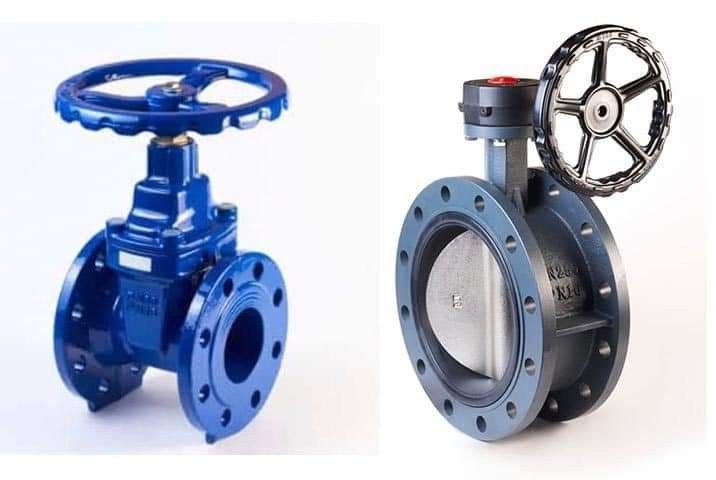
Understanding the Types of Butterfly Valves Explained is important for selecting the right industrial flow control solution. Butterfly valves are widely used in water treatment systems, HVAC applications, oil and gas pipelines, chemical processing plants, and industrial utility systems because of their compact structure and reliable operation.
Different butterfly valve designs are developed to meet specific industrial requirements such as pressure ratings, installation methods, temperature resistance, and sealing performance.
This guide explains the most common butterfly valve types and their industrial applications.
🔍 What Is a Butterfly Valve?
Basic Definition
A butterfly valve is a quarter-turn rotational valve used to:
- Control fluid flow
- Isolate pipelines
- Regulate industrial process systems
The valve operates through a rotating disc mounted on a shaft.
Main Functions
Butterfly valves help:
- Start or stop flow
- Regulate pressure
- Improve operational efficiency
- Reduce maintenance complexity
👉 Explore industrial valve solutions:
https://hongonvalve.com/
⚙️ Why Different Types of Butterfly Valves Exist
Pressure Requirements
Some industrial systems require:
- Low-pressure operation
- High-pressure sealing capability
- Extreme temperature resistance
Different valve designs support these conditions.
Pipeline Installation Methods
Butterfly valves use various connection methods:
- Wafer installation
- Lug installation
- Flanged installation
Industrial Application Differences
Industries such as:
- Water treatment
- Oil and gas
- Chemical processing
- HVAC systems
often require different valve structures.
🧩 Wafer Butterfly Valve
Structure and Design
A wafer butterfly valve:
- Fits between two flanges
- Uses a compact body design
- Reduces installation space requirements
Main Advantages
Benefits include:
- Lightweight construction
- Cost-effective installation
- Easy maintenance
Typical Applications
Commonly used in:
- Water treatment systems
- HVAC pipelines
- Industrial utility systems
👉 View industrial flanged valve products:
https://hongonvalve.com/product/flanged-valves/
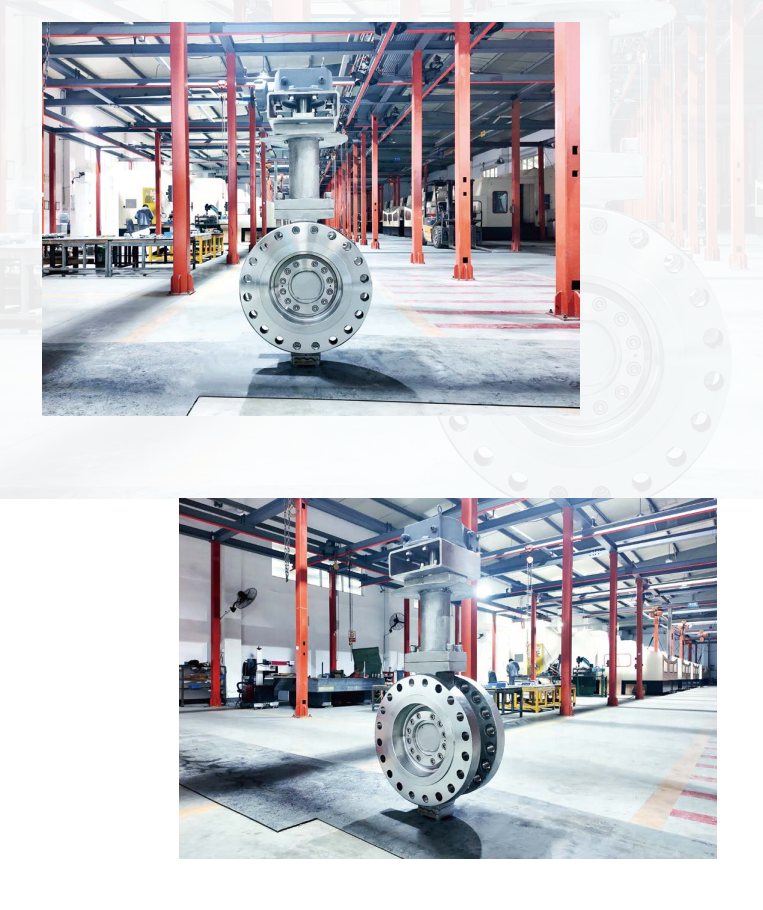
🔩 Lug Butterfly Valve
Threaded Lug Design
Lug butterfly valves feature:
- Threaded bolt holes
- Secure flange connections
- Easier pipeline isolation
Maintenance Benefits
The design allows:
- Easier valve replacement
- Pipeline section maintenance
- Reduced downtime
Industrial Applications
Used in:
- Chemical processing plants
- Industrial utility systems
- Water distribution networks
🏭 Flanged Butterfly Valve
Flange-End Connection
Flanged butterfly valves:
- Use flange connections on both ends
- Provide stable installation
- Support large pipeline systems
High Stability Performance
Advantages include:
- Strong structural support
- Improved pressure capability
- Better alignment stability
Large Pipeline Applications
Suitable for:
- Municipal water systems
- Industrial process pipelines
- Refinery facilities
⚡ Double Offset Butterfly Valve
Offset Disc Design
Double offset valves use:
- Offset shaft positioning
- Reduced disc-seat friction
- Improved sealing performance
Reduced Seat Friction
Benefits include:
- Lower wear rates
- Longer service life
- Better operational efficiency
High-Pressure Applications
Commonly installed in:
- Oil and gas systems
- Power plants
- Industrial steam systems
🔥 Triple Offset Butterfly Valve
Metal Sealing Structure
Triple offset valves feature:
- Metal-to-metal sealing
- Advanced offset geometry
- High-performance sealing systems
High Temperature Capability
Suitable for:
- Extreme temperatures
- High-pressure industrial systems
- Critical process applications
Critical Industrial Applications
Used in:
- Petrochemical facilities
- LNG systems
- Offshore oil platforms
👉 Industry references:
https://www.api.org/
https://www.iso.org/standards.html
🧱 Materials Used in Butterfly Valves
Ductile Iron
- Durable and economical
- Common in water systems
Stainless Steel
- Corrosion resistant
- Suitable for chemical industries
Carbon Steel
- High mechanical strength
- Suitable for industrial pressure systems
🔍 How to Choose the Right Butterfly Valve
Pressure Ratings
Select valves according to:
- Pipeline pressure
- Operating temperature
- System safety requirements
Material Selection
Choose materials based on:
- Fluid type
- Corrosion exposure
- Environmental conditions
Pipeline Compatibility
Ensure compatibility with:
- Pipeline diameter
- Installation standards
- Flow requirements
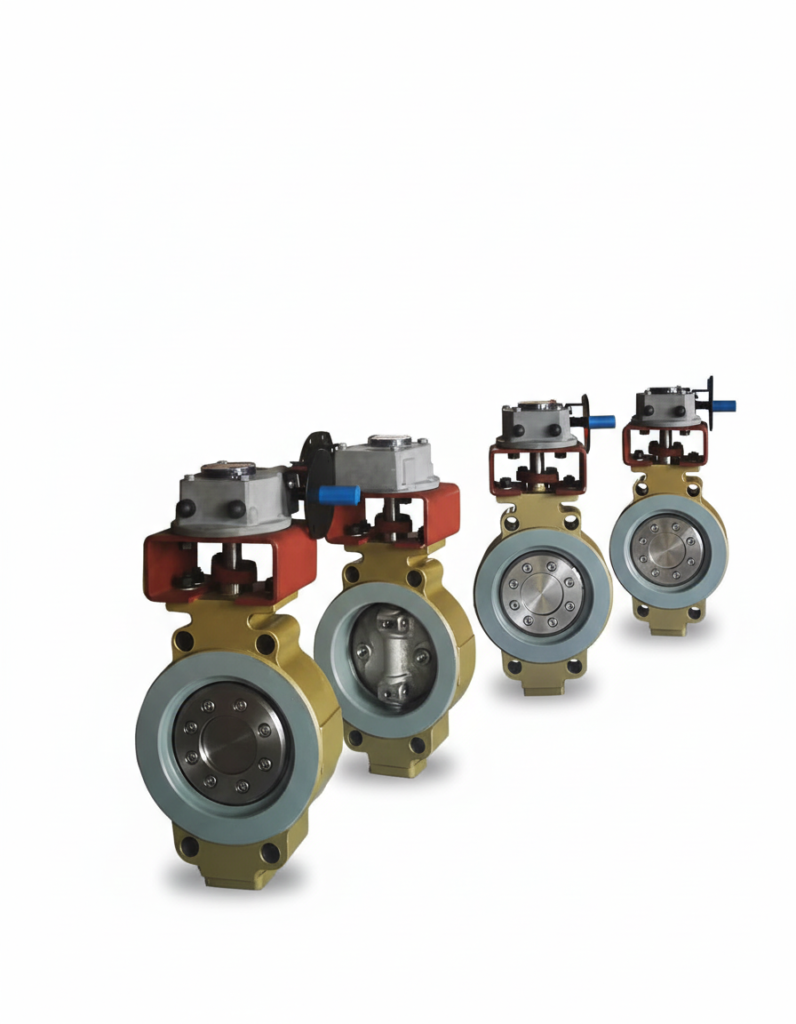
⚙️ Manufacturing and Quality Control
CNC Machining
Precision machining improves:
- Product accuracy
- Surface finishing
- Operational reliability
Pressure Testing
Manufacturers conduct:
- Shell pressure testing
- Seat leakage inspections
- Functional operation testing
International Certifications
Reliable manufacturers comply with:
- ISO standards
- API requirements
- CE regulations
❓ FAQs
1. What are the main types of butterfly valves?
Wafer, lug, flanged, double offset, and triple offset butterfly valves.
2. What is the difference between wafer and lug butterfly valves?
Lug valves use threaded holes for easier maintenance and pipeline isolation.
3. What is a double offset butterfly valve used for?
It is commonly used in high-pressure and high-temperature applications.
4. Why are triple offset butterfly valves important?
They provide metal-to-metal sealing for critical industrial systems.
5. What materials are commonly used?
Ductile iron, stainless steel, and carbon steel.
6. Where can I find industrial butterfly valves?
Visit:
https://hongonvalve.com/
🏁 Conclusion
Understanding the Types of Butterfly Valves Explained helps businesses select suitable industrial flow control solutions for different operating conditions. Each butterfly valve design offers unique advantages based on pressure requirements, installation methods, sealing performance, and industrial applications.
By choosing the correct valve type and working with certified manufacturers, companies can improve pipeline efficiency, operational reliability, and long-term maintenance performance.