
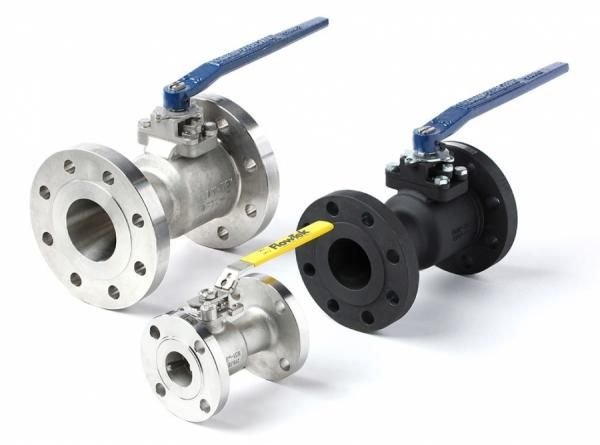
A water treatment butterfly valve is an essential component used in water purification and distribution systems. It plays a crucial role in controlling the flow of water in pipelines, ensuring efficient operation in treatment plants.
The water treatment butterfly valve is widely used in municipal, industrial, and environmental systems due to its simplicity, reliability, and cost-effectiveness.
🔍 What Is a Water Treatment Butterfly Valve?
Definition and Role in Water Systems
This valve is designed to regulate or isolate water flow in treatment systems. It is commonly used in filtration, chemical dosing, and distribution processes.
Key Components
- Valve body
- Disc
- Stem
- Seat (usually rubber or PTFE)
- Actuator
👉 Explore valve solutions here:
https://hongonvalve.com/
⚙️ How Does a Water Treatment Butterfly Valve Work?
Working Principle
The valve operates with a quarter-turn rotation:
- Open position allows water flow
- Closed position stops flow
Flow Regulation in Treatment Processes
The valve can be partially opened to control flow rates, which is essential in treatment stages such as filtration and chemical dosing.
🧩 Types of Water Treatment Butterfly Valve
Wafer Type
- Compact and lightweight
- Ideal for space-limited installations
Lug Type
- Allows section isolation
- Easy maintenance
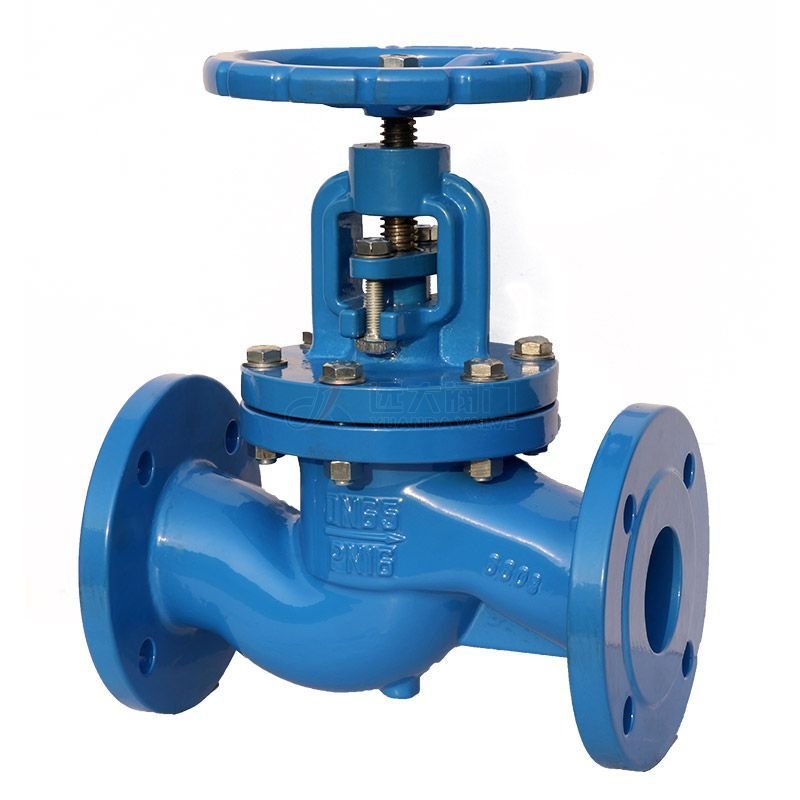
Flanged Type
- Strong and stable connection
- Suitable for large pipelines
👉 Check related product category:
https://hongonvalve.com/product/flanged-valves/
🧱 Materials Used in Water Treatment Butterfly Valve
Corrosion Resistant Metals
- Stainless steel
- Coated cast iron
Rubber and PTFE Seats
- EPDM for water systems
- PTFE for chemical resistance
🌍 Applications in Water Treatment Systems
Drinking Water Plants
Ensures safe and efficient water distribution.
Wastewater Treatment
Controls flow in filtration and discharge systems.
Desalination Plants
Handles high salinity environments.
Industrial Water Systems
Used in cooling and processing applications.
👉 Industry references:
https://www.api.org/
https://www.iso.org/standards.html
✅ Advantages of Water Treatment Butterfly Valve
- Cost-effective solution
- Easy installation and operation
- Reliable sealing performance
- Suitable for large diameter pipelines
- Low maintenance requirements
⚠️ Limitations and Considerations
- Not suitable for very high pressure systems
- Seat materials may wear over time
- Requires proper maintenance
🔄 Comparison with Other Valve Types
| Feature | Butterfly Valve | Gate Valve |
|---|---|---|
| Operation | Quarter-turn | Multi-turn |
| Speed | Fast | Slow |
| Cost | Lower | Higher |
| Maintenance | Easy | Moderate |
🛠️ How to Choose the Right Valve
Pressure and Temperature
Ensure compatibility with system conditions.
Water Quality Requirements
Select materials that resist corrosion and contamination.
Installation Conditions
Consider space, pipeline size, and connection type.
👉 Recommended category:
https://hongonvalve.com/product/flanged-valves/
🔧 Installation and Maintenance Tips
- Align valve properly during installation
- Inspect seals regularly
- Clean internal components
- Replace worn parts
📜 Industry Standards and Certifications
Reliable valves should meet:
- API
- ISO
- ANSI
🚀 Future Trends in Water Treatment Valves
- Smart monitoring systems
- Automation integration
- Eco-friendly materials
- Energy-efficient designs
❓ FAQs
1. What is a water treatment butterfly valve used for?
It is used to control water flow in treatment and distribution systems.
2. What materials are commonly used?
Stainless steel, cast iron, and rubber or PTFE seats.
3. Is it suitable for drinking water systems?
Yes, when made with approved materials.
4. What industries use it?
Municipal, industrial, and environmental sectors.
5. What is the main advantage?
Cost-effective and easy to operate.
6. Where can I find reliable options?
Visit:
https://hongonvalve.com/
🏁 Conclusion
The water treatment butterfly valve is a vital component in modern water systems, offering efficient flow control and reliable performance. Its versatility and cost-effectiveness make it ideal for a wide range of applications.
By choosing the right type and materials, operators can ensure safe, efficient, and long-lasting system performance.