
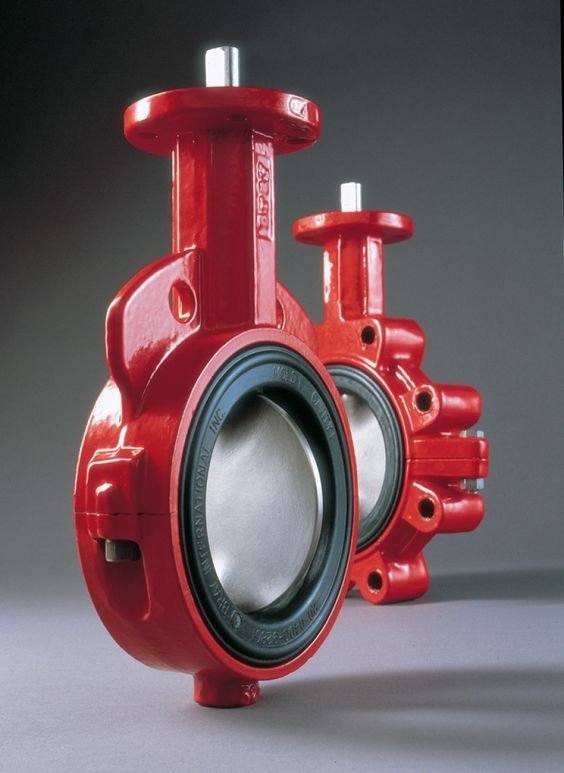
What Are Water Treatment Valves?
Water treatment valves are essential components used to regulate, isolate, and control the flow of water throughout treatment plants, pumping stations, filtration systems, and distribution networks. They ensure safe operation, improve system efficiency, and help maintain consistent water quality in municipal, industrial, and commercial facilities.
From raw water intake to treated water distribution and wastewater processing, valves play a critical role in every stage of the water treatment process.
Why Are Water Treatment Valves Important?
Water treatment systems rely on valves to:
- Control water flow and pressure
- Isolate equipment for maintenance
- Prevent backflow contamination
- Regulate filtration processes
- Protect pumps and pipelines
- Improve operational safety
- Reduce water loss and energy consumption
Selecting the correct valve helps increase system reliability and lower maintenance costs.
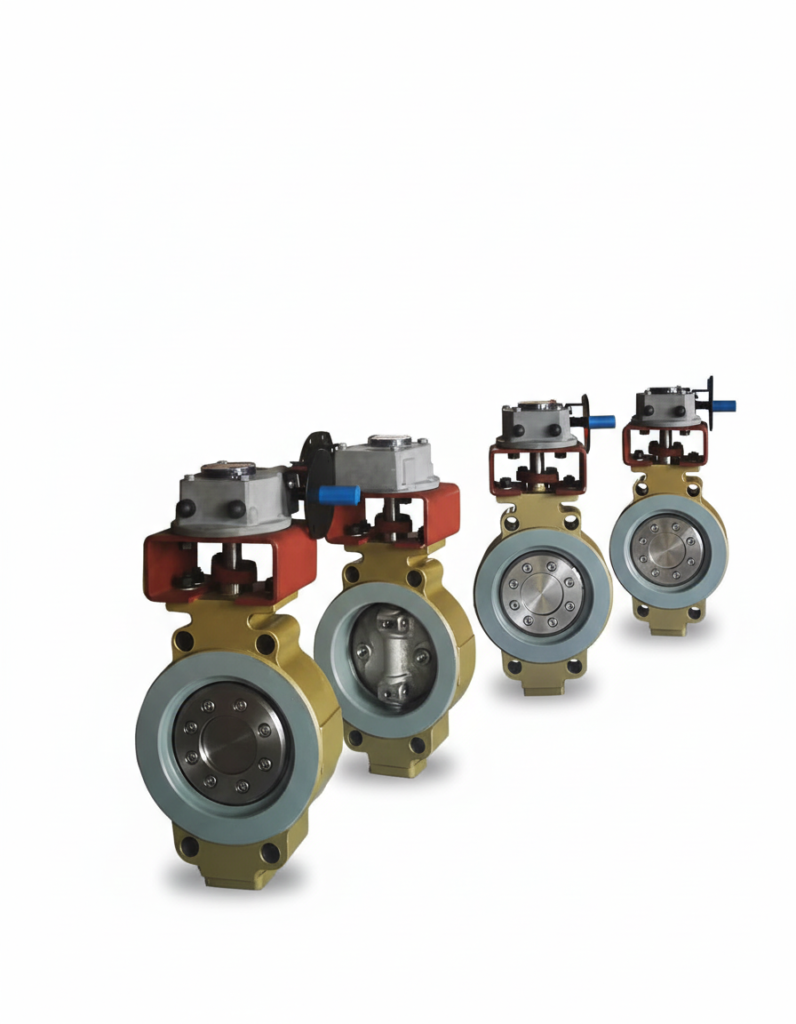
Common Types of Water Treatment Valves
Butterfly Valves
Butterfly valves are among the most widely used water treatment valves due to their compact design, lightweight construction, and cost-effectiveness.
Advantages
- Quarter-turn operation
- Low operating torque
- Easy automation
- Suitable for large-diameter pipelines
Applications:
- Water distribution
- Filtration systems
- Pump stations
Gate Valves
Gate valves are designed primarily for isolation.
Features
- Full-bore flow
- Minimal pressure loss
- Reliable shutoff
Applications:
- Main water transmission pipelines
- Water distribution networks
Ball Valves
Ball valves provide quick shutoff and reliable sealing.
Advantages
- Fast operation
- Excellent sealing
- Long service life
Applications:
- Chemical dosing systems
- Utility pipelines
Check Valves
Check valves prevent reverse flow.
Applications include:
- Pump discharge lines
- Distribution systems
- Booster stations
Control Valves
Control valves automatically regulate flow, pressure, and water levels.
Common uses:
- Process automation
- Water treatment plants
- Pressure management systems
Butterfly Valves in Water Treatment
Butterfly valves are often the preferred choice because they combine reliable performance with economical installation.
Available Designs
- Wafer butterfly valve
- Lug butterfly valve
- Double flanged butterfly valve
- Resilient seated butterfly valve
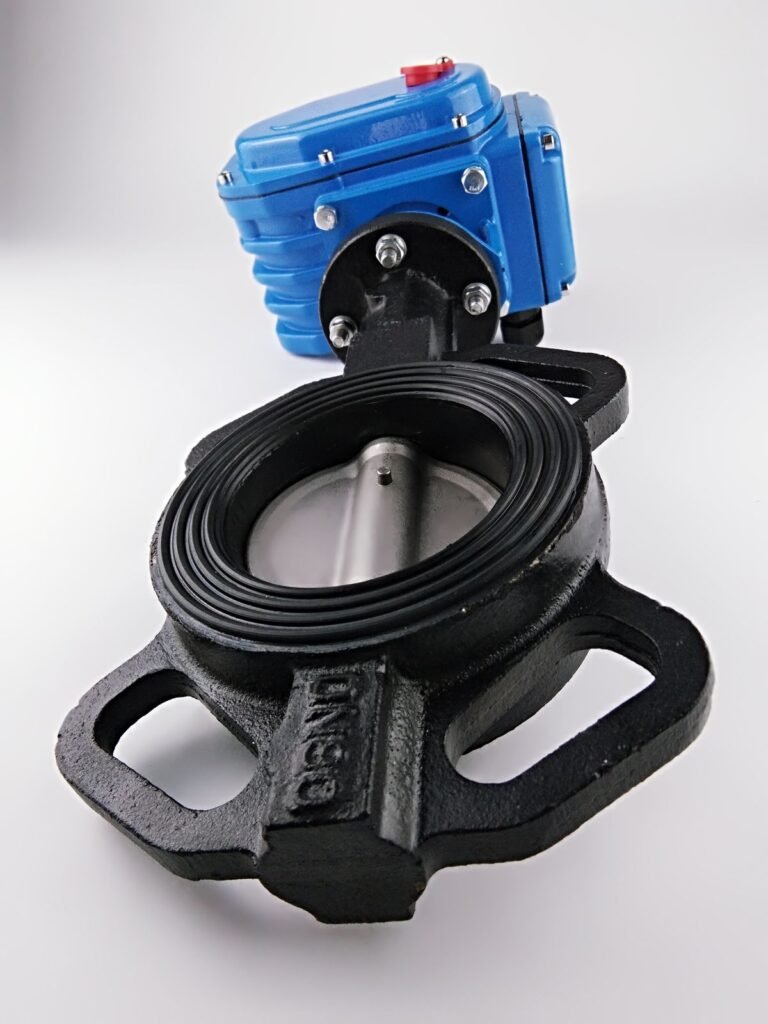
- Electric butterfly valve
- Pneumatic butterfly valve
Typical Applications
- Clean water pipelines
- Backwash systems
- Filtration equipment
- Sludge treatment
- Pump stations
Materials Used for Water Treatment Valves
Selecting the right material improves durability and corrosion resistance.
Body Materials
- Ductile Iron
- Stainless Steel
- Carbon Steel
Disc Materials
- Stainless Steel 304
- Stainless Steel 316
- Aluminum Bronze
Seat Materials
| Material | Typical Application |
|---|---|
| EPDM | Drinking water and municipal systems |
| NBR | Water with light oil contamination |
| PTFE | Chemical treatment systems |
| Viton | Higher-temperature applications |
EPDM is one of the most common seat materials for potable water systems because of its excellent sealing performance.
Applications of Water Treatment Valves
Municipal Water Treatment
Used for:
- Raw water intake
- Clarification
- Filtration
- Clean water distribution
Wastewater Treatment
Applications include:
- Sludge pipelines
- Aeration systems
- Effluent discharge
- Reclaimed water systems
Desalination Plants
Suitable for:
- Seawater intake
- Reverse osmosis systems
- Product water distribution
Industrial Water Systems
Used in:
- Manufacturing facilities
- Cooling water systems
- Utility pipelines
- Process water treatment
Irrigation Systems
Applications include:
- Agricultural water distribution
- Pumping stations
- Canal control
Key Features to Consider
When selecting water treatment valves, evaluate:
- Operating pressure
- Pipeline size
- Water quality
- Corrosion resistance
- Temperature range
- Installation space
- Manual or automated operation
- Maintenance requirements
Proper valve selection ensures long-term performance and operational efficiency.
Automation Options
Modern water treatment facilities often use automated valves to improve system control.
Available actuators include:
- Electric actuators
- Pneumatic actuators
- Manual gear operators
- Lever handles
Automation enhances efficiency, reduces labor costs, and enables remote monitoring.
Quality Standards and Certifications
Reliable manufacturers produce water treatment valves in accordance with international standards.
Common Certifications
- ISO 9001
- CE Certification
- WRAS Approval
- NSF/ANSI (for potable water, where required)
- EN Standards
Industry references:
How to Choose the Right Water Treatment Valve Supplier
A dependable supplier should offer:
- Extensive industry experience
- Certified manufacturing processes
- Wide product selection
- OEM and customization services
- Technical engineering support
- Strict quality control
- Reliable delivery schedules
- Responsive after-sales service
Working with an experienced manufacturer helps ensure consistent product quality and long-term project success.
Frequently Asked Questions
What are water treatment valves used for?
They are used to control, regulate, isolate, and protect water flow in treatment plants and distribution systems.
Which valve is most commonly used in water treatment?
Butterfly valves are widely used because they are compact, economical, and suitable for large-diameter pipelines.
What materials are best for water treatment valves?
Ductile iron bodies with EPDM seats and stainless steel discs are common for municipal water applications.
Can water treatment valves be automated?
Yes. Electric and pneumatic actuators are commonly used for automated flow control.
What certifications are important for water treatment valves?
ISO 9001, CE, WRAS, and NSF/ANSI certifications are commonly required depending on the application and market.
How do I choose the right water treatment valve?
Consider operating pressure, media, temperature, pipeline size, material compatibility, and automation requirements.
Conclusion
Water treatment valves are vital for maintaining safe, efficient, and reliable operation in municipal and industrial water systems. Whether controlling raw water intake, filtration, wastewater processing, or clean water distribution, the right valve improves system performance and reduces maintenance costs.
By selecting high-quality valves with appropriate materials, certifications, and automation options, operators can ensure long-term durability, efficient flow control, and dependable service across a wide range of water treatment applications.