
Introduction
If you’ve ever worked with industrial piping systems, you’ve likely encountered a butterfly valve. But what is a butterfly valve, and why is it one of the most widely used valves in modern industries?
A butterfly valve is a compact, quarter-turn valve designed to start, stop, or regulate the flow of liquids, gases, and slurries. Thanks to its lightweight construction, simple design, and cost-effective operation, butterfly valves are commonly used in water treatment, HVAC, oil and gas, chemical processing, food and beverage production, marine engineering, and many other industries.
This guide explains everything you need to know about butterfly valves, including their working principle, types, components, advantages, applications, and how to choose the right valve for your project.
What Is a Butterfly Valve?
A butterfly valve is a rotary motion valve that controls fluid flow using a circular disc mounted on a central shaft. The disc rotates 90 degrees to open or close the valve.
Unlike gate valves, which require multiple turns to operate, butterfly valves provide fast operation with a simple quarter-turn mechanism.
Their compact design makes them ideal for installations where space, weight, and installation costs are important considerations.
How Does a Butterfly Valve Work?
The operating principle of a butterfly valve is straightforward.
Step-by-Step Working Process
- The actuator rotates the valve stem.
- The stem turns the disc inside the valve body.
- When the disc is parallel to the flow direction, the valve is fully open.
- When rotated 90 degrees, the disc blocks the flow path and closes the valve.
- Intermediate positions allow throttling or flow regulation.
Because only a quarter-turn is required, butterfly valves provide quick and efficient operation.
Main Components of a Butterfly Valve
Valve Body
The body houses all internal components and connects the valve to the pipeline.
Common materials include:
- Ductile iron
- Cast iron
- Carbon steel
- Stainless steel
Valve Disc
The disc is the primary flow control element.
It rotates inside the body to regulate or stop fluid flow.
Stem (Shaft)
The stem connects the actuator to the disc and transfers rotational movement.
Seat
The seat creates the seal between the disc and valve body.
Common seat materials include:
- EPDM
- NBR
- PTFE
- Viton
- Metal seats (for high-temperature applications)
Actuator
Butterfly valves can be operated by:
- Lever handle
- Worm gear
- Pneumatic actuator
- Electric actuator
- Hydraulic actuator
Types of Butterfly Valves
Wafer Butterfly Valve
Installed between two pipeline flanges.
Advantages
- Lightweight
- Compact
- Economical
Applications:
Lug Butterfly Valve
Features threaded inserts around the body.
Benefits include:
- Easier maintenance
- End-of-line service
Flanged Butterfly Valve
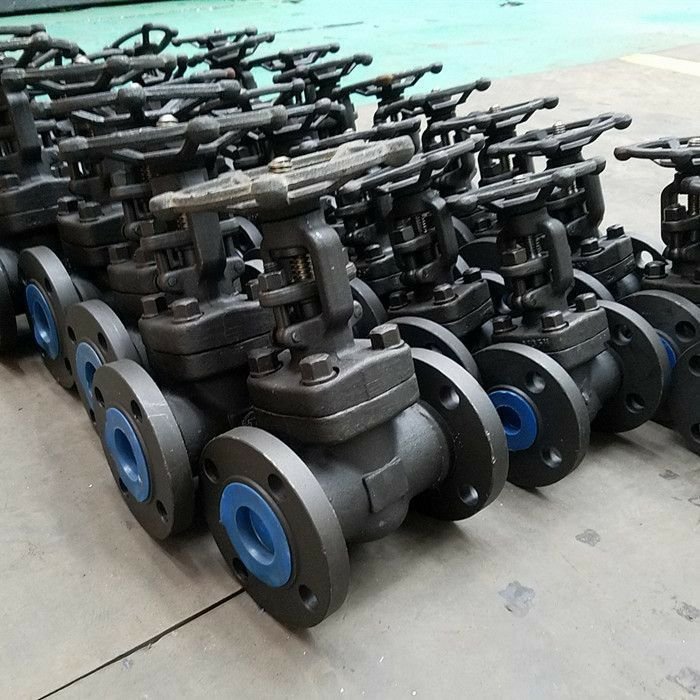
Designed with integral flanges for secure installation.
Ideal for:
- Large pipelines
- High-flow systems
Resilient Seated Butterfly Valve
Uses a rubber or elastomer seat to provide bubble-tight sealing.
Suitable for:
- Water systems
- HVAC
- Fire protection
High-Performance Butterfly Valve
Features a double-offset design for improved sealing and reduced wear.
Applications:
- Chemical processing
- Oil and gas
- Industrial manufacturing
Triple Offset Butterfly Valve
Designed for demanding applications involving high temperatures and pressures.
Applications:
- Steam systems
- Petrochemical plants
- Power stations
Advantages of Butterfly Valves
Butterfly valves offer several important benefits:
- Compact and lightweight design
- Fast quarter-turn operation
- Low installation costs
- Minimal maintenance requirements
- Suitable for automation
- Low pressure drop
- Wide range of sizes and materials
- Excellent value for money
These features make butterfly valves a preferred choice for many industrial systems.
Common Materials Used
Body Materials
- Ductile Iron
- Stainless Steel
- Carbon Steel
- Cast Steel
Disc Materials
- Stainless Steel 304
- Stainless Steel 316
- Ductile Iron
- Aluminum Bronze
Seat Materials
| Material | Typical Application |
|---|---|
| EPDM | Water treatment, HVAC |
| NBR | Oil-based media |
| PTFE | Chemical processing |
| Viton | High-temperature fluids |
| Metal | Steam and abrasive media |
Industrial Applications
Butterfly valves are widely used in:
Water Treatment
- Water distribution
- Filtration systems
- Pump stations
Wastewater Treatment
- Sludge handling
- Effluent control
- Sewage systems
HVAC
- Chilled water systems
- Heating networks
- Air conditioning
Oil and Gas
- Pipelines
- Refineries
- Storage facilities
Chemical Processing
- Corrosive media
- Process control
Marine
- Ballast systems
- Cooling water
- Shipbuilding
Fire Protection
- Fire sprinkler systems
- Water supply lines
Butterfly Valve vs Gate Valve
| Feature | Butterfly Valve | Gate Valve |
|---|---|---|
| Operation | Quarter-turn | Multi-turn |
| Opening Speed | Fast | Slow |
| Weight | Lightweight | Heavy |
| Installation Space | Compact | Larger |
| Maintenance | Low | Moderate |
| Flow Regulation | Good | Limited |
Butterfly valves are generally preferred where compact size, quick operation, and lower costs are priorities.
How to Choose the Right Butterfly Valve
Consider the following factors:
- Operating pressure
- Temperature
- Fluid type
- Pipeline size
- Installation method
- Seat material
- Body material
- Manual or automated operation
Selecting the correct valve helps improve system efficiency and service life.
Quality Standards
Reliable butterfly valves are manufactured according to international standards, including:
- ISO 9001
- CE
- API
- EN
- DIN
- ANSI
- JIS
Industry references:
Frequently Asked Questions
What is a butterfly valve used for?
A butterfly valve is used to isolate or regulate the flow of liquids, gases, and slurries in pipeline systems.
Why is it called a butterfly valve?
The rotating disc inside the valve resembles the wings of a butterfly when it opens and closes.
Can butterfly valves regulate flow?
Yes. They can be used for both on/off service and throttling applications.
What industries use butterfly valves?
Water treatment, wastewater, HVAC, oil and gas, chemical processing, marine, food processing, and power generation.
What is the difference between a wafer and a flanged butterfly valve?
A wafer valve fits between pipeline flanges, while a flanged valve has integral flanges for a more rigid connection.
Can butterfly valves be automated?
Yes. They can be equipped with pneumatic, electric, or hydraulic actuators for automatic operation.
Conclusion
Understanding what is a butterfly valve is essential for selecting the right flow control solution for industrial and municipal piping systems. With their compact design, fast quarter-turn operation, low maintenance requirements, and wide range of materials and configurations, butterfly valves offer an efficient and economical solution for countless applications.
Whether used in water treatment, HVAC, chemical processing, oil and gas, or fire protection, butterfly valves continue to be one of the most versatile and dependable valve types available today.