
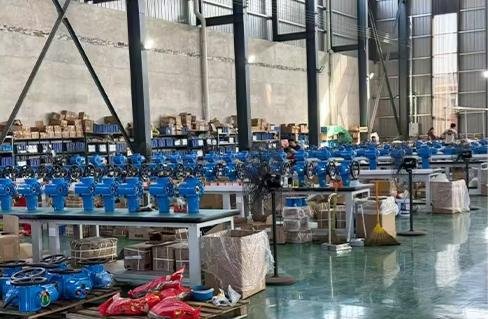
If you work with industrial pipeline systems, you may ask: What is a butterfly valve? A butterfly valve is a quarter-turn flow control valve widely used to regulate or isolate fluid flow in industrial pipelines. The valve uses a rotating disc mounted on a shaft to control the movement of liquids, gases, or slurries.
Because of its compact structure, lightweight design, and cost-effective performance, the butterfly valve has become one of the most commonly used industrial valves worldwide.
🔍 What Is a Butterfly Valve?
Basic Definition
A butterfly valve is a mechanical valve that controls fluid flow using a rotating disc positioned inside the pipeline. The disc rotates 90 degrees:
- Parallel to the flow = fully open
- Perpendicular to the flow = fully closed
This simple design allows fast and efficient operation.
Main Components
A butterfly valve generally includes:
- Valve body
- Valve disc
- Stem shaft
- Sealing seat
- Actuator system
👉 Explore industrial butterfly valve solutions:
https://hongonvalve.com/
⚙️ How Does a Butterfly Valve Work?
Disc Rotation Mechanism
The valve operates by rotating the disc through manual or automated control. When the actuator turns the shaft, the disc changes position inside the valve body.
Open and Closed Positions
- Fully open position allows unrestricted flow
- Partially open position regulates flow rate
- Fully closed position stops fluid movement
This quarter-turn operation makes butterfly valves highly efficient.
🧩 Main Types of Butterfly Valves
Wafer Butterfly Valve
- Compact structure
- Installed between flanges
- Lightweight and economical
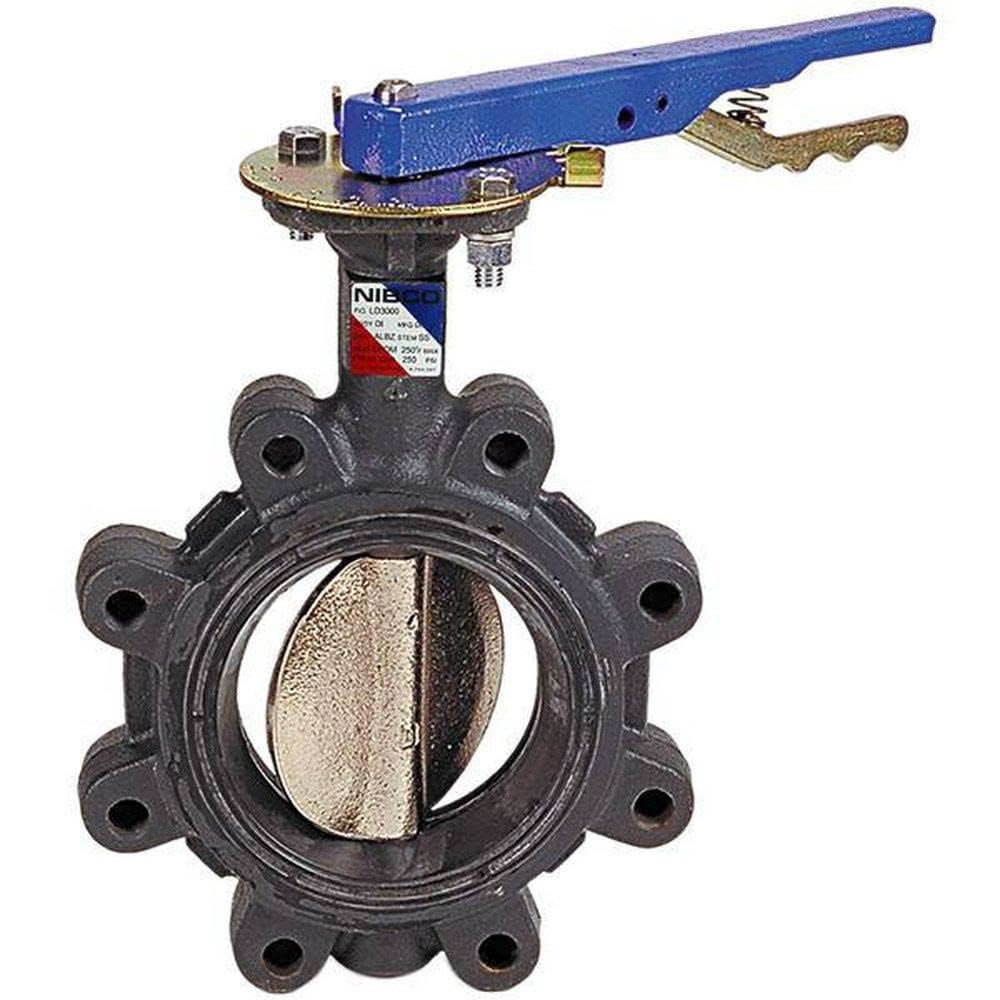
Lug Butterfly Valve
- Threaded lug connections
- Suitable for pipeline isolation
Flanged Butterfly Valve
- Strong flange-end connections
- Common in large industrial systems
👉 View industrial flanged valve products:
https://hongonvalve.com/product/flanged-valves/
Double Offset and Triple Offset Valves
These high-performance designs:
- Reduce seat friction
- Improve sealing performance
- Support high-pressure applications
🧱 Materials Used in Butterfly Valve Manufacturing
Ductile Iron
- Durable and cost-effective
- Common in water treatment systems
Stainless Steel
- Corrosion resistant
- Suitable for chemical and food industries
Carbon Steel
- High mechanical strength
- Suitable for industrial pressure systems
🌍 Applications of Butterfly Valves
Water Treatment Systems
Used in:
- Municipal water supply
- Wastewater treatment plants
- Filtration systems
HVAC Systems
Controls:
- Heating water circulation
- Cooling systems
- Air conditioning pipelines
Oil and Gas Industry
Suitable for:
- Pipeline transportation
- Refinery operations
- Industrial fluid control systems
Chemical Processing
Handles corrosive fluids with proper material selection.
👉 Industry references:
https://www.api.org/
https://www.iso.org/standards.html
✅ Advantages of Butterfly Valves
Compact Design
Butterfly valves:
- Require less installation space
- Simplify pipeline layouts
- Reduce overall system weight
Lightweight Construction
Compared with gate valves and globe valves:
- Easier transportation
- Faster installation
- Lower structural support requirements
Cost Efficiency
Butterfly valves help:
- Reduce manufacturing costs
- Lower maintenance expenses
- Improve operational efficiency
🔧 Butterfly Valve Actuator Options
Manual Operation
Common manual systems include:
- Lever handles
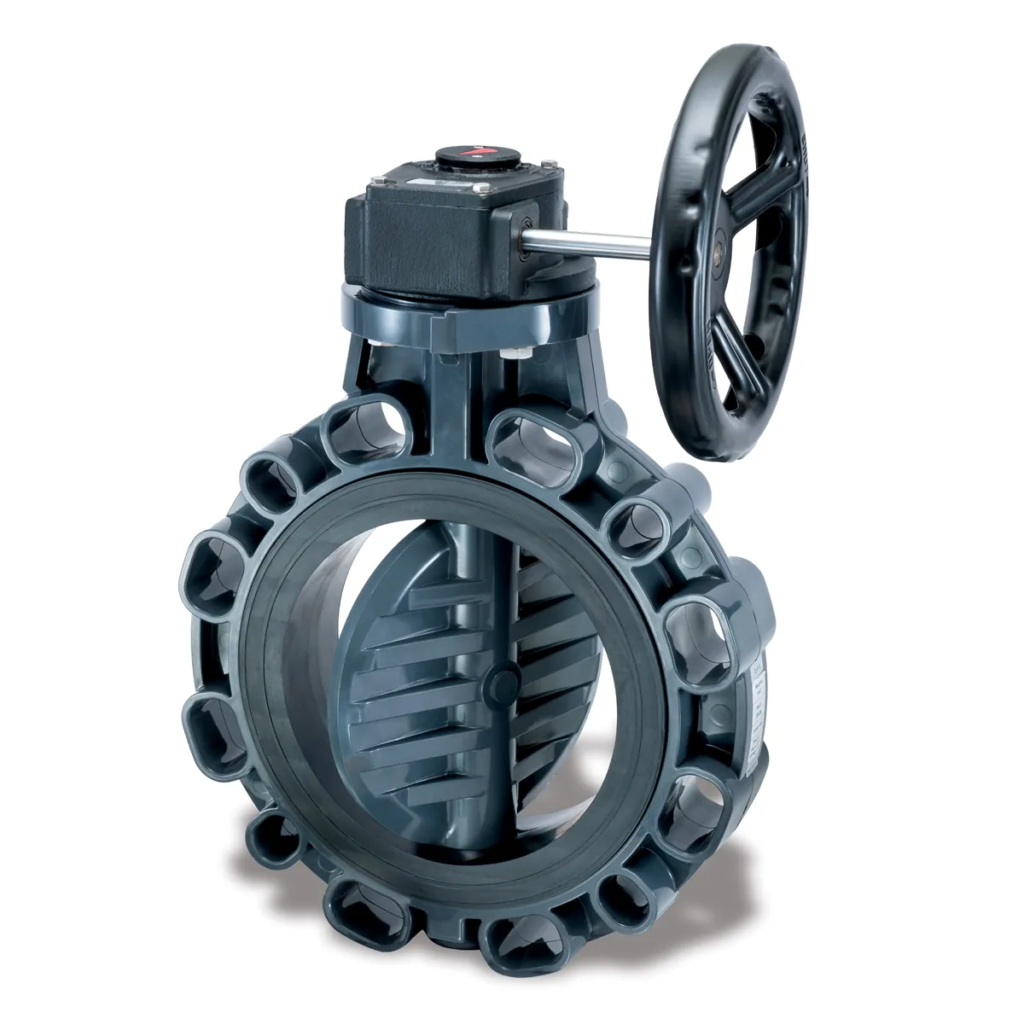
- Gear operators
Pneumatic Actuators
Used for:
- Fast automated operation
- Industrial process control systems
Electric Actuators
Provide:
- Remote control capability
- Precise flow regulation
- Smart automation integration
🔍 How to Choose the Right Butterfly Valve
Valve Size Selection
Choose according to:
- Pipeline diameter
- Flow requirements
- Installation conditions
Pressure and Temperature Ratings
Ensure compatibility with:
- System pressure
- Operating temperature
- Industrial application standards
Material Compatibility
Select materials based on:
- Fluid type
- Corrosion exposure
- Environmental conditions
⚙️ Manufacturing and Quality Control
CNC Machining
Precision machining ensures:
- Accurate valve dimensions
- Reliable operation
- Better sealing performance
Pressure Testing
Manufacturers conduct:
- Shell pressure testing
- Leakage inspection
- Functional testing
International Certifications
Reliable manufacturers comply with:
- ISO certification
- API standards
- CE requirements
⚠️ Common Problems and Maintenance Tips
| Problem | Solution |
|---|---|
| Leakage | Replace sealing seat |
| Corrosion | Use corrosion-resistant materials |
| Difficult operation | Lubricate moving components |
| Installation issues | Verify flange alignment |

🚀 Future Trends in Butterfly Valve Technology
Smart Valve Systems
Modern butterfly valves now support:
- IoT monitoring systems
- Remote operation functions
- Predictive maintenance technology
Automation in Manufacturing
Factories are improving:
- Production precision
- Manufacturing efficiency
- Product consistency
Sustainable Manufacturing
Manufacturers are adopting:
- Eco-friendly materials
- Energy-efficient production systems
- Waste reduction technologies
❓ FAQs
1. What is a butterfly valve used for?
Butterfly valves are used to regulate or isolate fluid flow in industrial pipeline systems.
2. How does a butterfly valve work?
It uses a rotating disc to control the flow of liquids or gases.
3. What are the main types of butterfly valves?
Wafer, lug, flanged, double offset, and triple offset butterfly valves.
4. What industries use butterfly valves?
Water treatment, HVAC, oil and gas, and chemical processing industries.
5. What materials are commonly used?
Ductile iron, stainless steel, and carbon steel.
6. Where can I find industrial butterfly valves?
Visit:
https://hongonvalve.com/
🏁 Conclusion
So, what is a butterfly valve? It is a versatile and efficient industrial valve used for fluid flow control in various pipeline systems. Its compact design, easy operation, and reliable sealing performance make it one of the most popular valve types in modern industry.
By selecting suitable valve materials, actuator systems, and certified manufacturers, businesses can improve operational efficiency and ensure long-term pipeline reliability.