
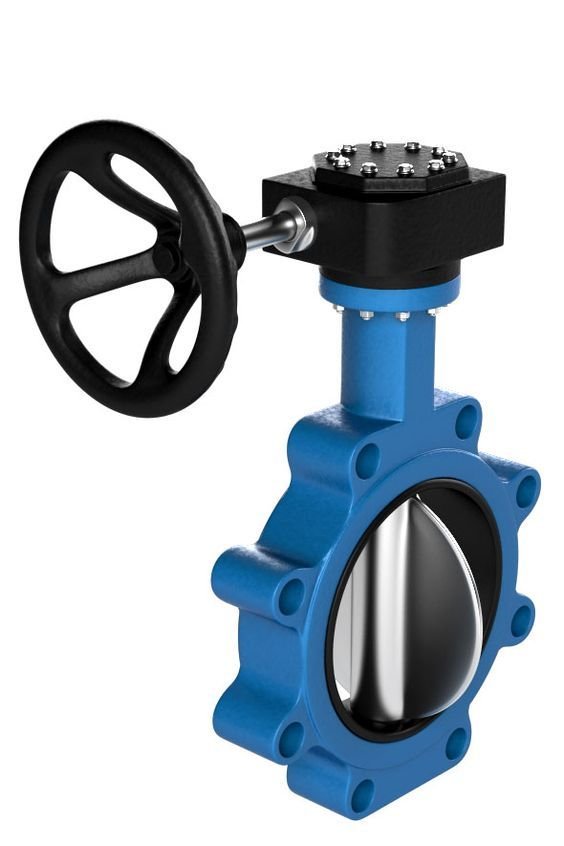
An HVAC butterfly valve system plays a crucial role in regulating airflow and fluid movement in heating, ventilation, and air conditioning systems. It ensures that temperature and air distribution remain balanced across buildings, improving comfort and energy efficiency.
The HVAC butterfly valve system is widely used in commercial buildings, industrial facilities, and residential complexes due to its compact design and reliable performance.
🔍 What Is an HVAC Butterfly Valve System?
Definition and Function
This system uses butterfly valves to control the flow of air or water within HVAC pipelines. It can regulate flow, isolate sections, and optimize system performance.
Key Components
- Butterfly valve
- Actuator (manual, electric, or pneumatic)
- Control system
- Pipeline network
👉 Explore valve solutions here:
https://hongonvalve.com/
⚙️ How HVAC Butterfly Valve System Works
Working Principle
The valve operates with a quarter-turn rotation:
- Open position allows airflow or water flow
- Closed position blocks flow
Role in Temperature Control
By adjusting flow rates, the system helps maintain consistent temperatures across different zones.
🧩 Types of HVAC Butterfly Valve Systems
Manual Valve Systems
- Simple operation
- Cost-effective
Electric Actuated Systems
- Automated control
- High precision
Pneumatic Systems
- Fast response
- Suitable for industrial HVAC systems
👉 Check related product category:
https://hongonvalve.com/product/flanged-valves/
🧱 Materials Used in HVAC Butterfly Valve System
Valve Body Materials
- Cast iron
- Stainless steel
Sealing Materials
- EPDM
- PTFE
🌍 Applications in HVAC Systems
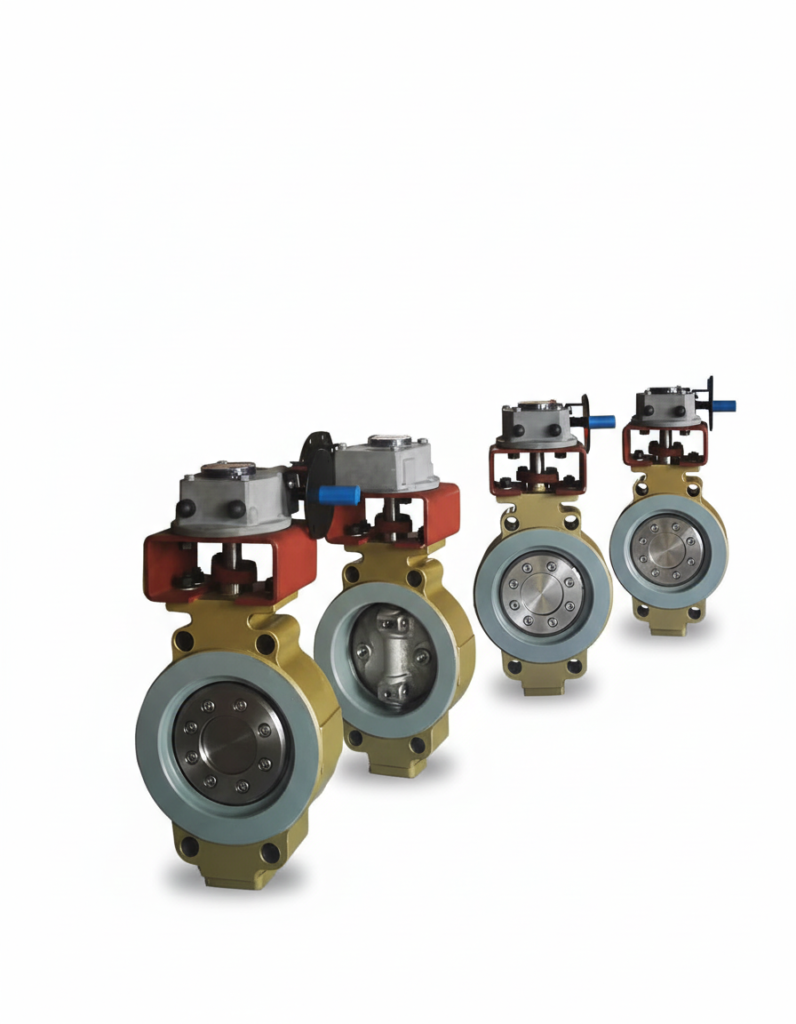
Commercial Buildings
Used in offices, malls, and hospitals.
Industrial Facilities
Controls temperature in manufacturing plants.
Residential Complexes
Ensures efficient heating and cooling.
Data Centers
Maintains stable temperature for equipment.
👉 Industry references:
https://www.ashrae.org/
https://www.iso.org/standards.html
✅ Benefits of HVAC Butterfly Valve System
- Energy-efficient operation
- Compact and lightweight design
- Easy installation and maintenance
- Reliable flow control
- Suitable for large systems
⚠️ Limitations and Considerations
- Not suitable for extremely high-pressure systems
- Requires proper calibration
- Actuator maintenance is necessary
🔄 Comparison with Other HVAC Valves
| Feature | Butterfly Valve | Ball Valve |
|---|---|---|
| Operation | Quarter-turn | Quarter-turn |
| Cost | Lower | Higher |
| Size | Compact | Larger |
| Control | Good | Excellent |
🛠️ How to Choose the Right HVAC Butterfly Valve System
System Size and Capacity
Ensure compatibility with pipeline dimensions.
Automation Requirements
Choose manual or automated systems based on needs.
Energy Efficiency
Select valves that minimize energy loss.
👉 Recommended category:
https://hongonvalve.com/product/flanged-valves/
🔧 Installation and Maintenance Tips
- Ensure proper alignment
- Regularly inspect actuators
- Clean and maintain valve components
- Replace worn seals
📜 Industry Standards and Certifications
Reliable systems should meet:
- ASHRAE
- ISO
- ANSI
🚀 Future Trends in HVAC Valve Technology
- Smart building integration
- IoT-based monitoring
- Energy-saving designs
- Advanced automation systems
❓ FAQs
1. What is an HVAC butterfly valve system used for?
It is used to control airflow and fluid flow in HVAC systems.
2. What are the benefits?
Energy efficiency, compact design, and reliable performance.
3. Can it be automated?
Yes, with electric or pneumatic actuators.
4. Where is it commonly used?
Commercial buildings, industrial plants, and residential complexes.
5. What materials are used?
Cast iron, stainless steel, EPDM, and PTFE.
6. Where can I find reliable options?
Visit:
https://hongonvalve.com/
🏁 Conclusion
The HVAC butterfly valve system is a key component in modern climate control solutions. Its ability to regulate flow efficiently makes it essential for maintaining comfort and reducing energy consumption.
By selecting the right system and maintaining it properly, businesses and property owners can achieve optimal HVAC performance and long-term savings.