
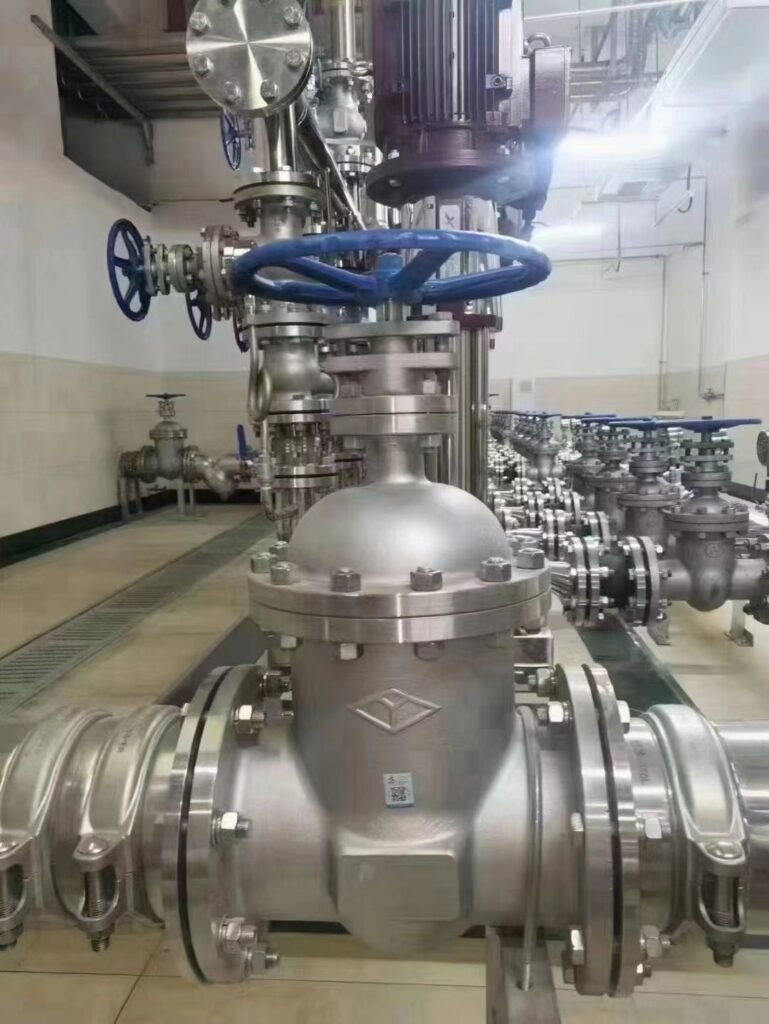
What Is a Food Grade Butterfly Valve?
A food grade butterfly valve is a sanitary flow control valve designed specifically for industries that require high levels of hygiene, cleanliness, and contamination prevention. These valves are widely used in food, beverage, dairy, and pharmaceutical processing systems where product purity and safety are critical.
Unlike standard industrial valves, food grade butterfly valves are designed with:
- Smooth, polished internal surfaces
- Corrosion-resistant stainless steel construction
- Hygienic sealing materials
- Easy-to-clean structures
They are commonly used in:
- Dairy processing plants
- Beverage production lines
- Food manufacturing facilities
- Pharmaceutical systems
- Brewing and fermentation systems
- Biotech processing industries
Why Food Processing Industries Use Butterfly Valves
Food and beverage systems require valves that prevent contamination and support sanitary cleaning processes.
Key Benefits
- Hygienic design for contamination prevention
- Smooth internal surfaces to avoid bacterial buildup
- Easy cleaning and sterilization (CIP/SIP compatibility)
- Corrosion resistance for acidic food products
- Reliable flow control
- Compact installation design
Food grade butterfly valves help maintain product safety and regulatory compliance.
How Does a Food Grade Butterfly Valve Work?
A food grade butterfly valve operates using a rotating disc inside the pipeline.
When the actuator or handle rotates:
- The disc aligns with the flow to allow product passage.
- The disc rotates perpendicular to stop flow completely.
- Partial rotation allows controlled flow regulation.
Operating Positions
| Disc Position | Valve Status |
|---|---|
| 0° | Fully Closed |
| 45° | Flow Regulation |
| 90° | Fully Open |
This simple design ensures fast, hygienic, and efficient operation.
Key Features of Food Grade Butterfly Valves
Hygienic Design
Food grade valves are designed with:
- Smooth internal surfaces
- Dead-zone-free construction
- Easy drainage capability
This prevents bacterial growth and contamination.
Stainless Steel Construction
Most food grade butterfly valves are made from:
- SS304
- SS316
- SS316L
Benefits
- High corrosion resistance
- Safe for food contact
- Long service life
Sanitary Seals
Common sealing materials include:
These materials ensure safe contact with consumable products.
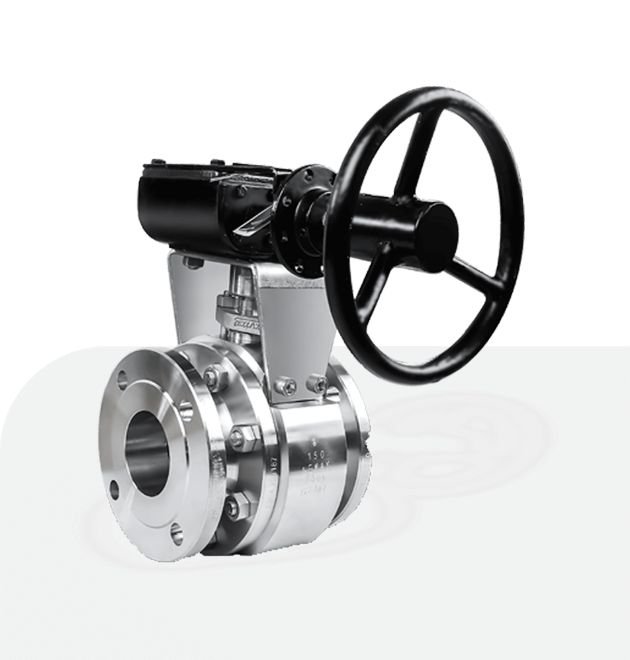
Types of Food Grade Butterfly Valves
Sanitary Clamp Butterfly Valve
One of the most common types in food processing.
Advantages
- Quick installation and removal
- Easy cleaning
- Hygienic connection
Applications:
- Dairy systems
- Beverage pipelines
Threaded Food Grade Butterfly Valve
Features threaded connections for secure installation.
Applications
- Small processing systems
- Laboratory setups
Welded Sanitary Butterfly Valve
Designed for permanent installations.
Advantages
- Leak-free operation
- High hygiene standards
Applications:
- Large-scale food production lines
Pneumatic Food Grade Butterfly Valve
Automated version used in modern processing plants.
Benefits
- Remote operation
- Integration with control systems
- Improved efficiency
Applications of Food Grade Butterfly Valves
Dairy Industry
Used in:
- Milk processing
- Yogurt production
- Cheese manufacturing
Maintains hygiene and prevents contamination.
Beverage Industry
Applications include:
- Juice production
- Soft drink bottling
- Brewing systems
Ensures product purity and safe handling.
Food Processing Plants
Used in:
- Sauce production
- Oil processing
- Liquid food handling
Pharmaceutical Industry
Ensures sterile handling of:
- Liquid medicines
- Active ingredients
- Bioprocess fluids
Biotech and Laboratory Systems
Used in controlled environments requiring high purity standards.
Advantages of Food Grade Butterfly Valves
High Hygiene Standards
Designed to prevent contamination and bacterial buildup.
Easy Cleaning (CIP/SIP Compatible)
Supports Clean-in-Place and Sterilize-in-Place processes.
Corrosion Resistance
Stainless steel construction ensures durability in acidic or alkaline food environments.
Efficient Flow Control
Provides precise regulation of liquid food products.
Long Service Life
Durable materials and hygienic design reduce maintenance needs.
How to Choose the Right Food Grade Butterfly Valve
Select Proper Material Grade
- SS304 for general food applications
- SS316L for high-corrosion or pharmaceutical use
Choose Suitable Seal Material
- EPDM for dairy and water-based products
- PTFE for chemical or high-temperature applications
Consider Connection Type
- Clamp (most hygienic and common)
- Welded (permanent systems)
- Threaded (small systems)
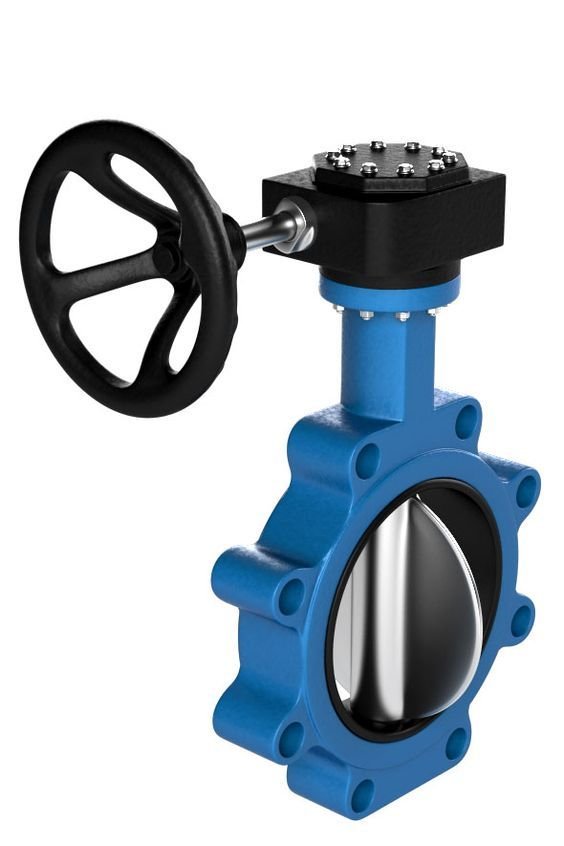
Evaluate Automation Needs
Options include:
- Manual handle
- Pneumatic actuator
- Electric actuator
Hygienic Standards and Certifications
Food grade butterfly valves must comply with strict hygiene standards.
Common Certifications
- FDA compliance
- EHEDG guidelines
- 3-A Sanitary Standards
- ISO 9001
Common Tests
- Surface finish inspection
- Pressure testing
- Leakage testing
- Cleanability testing
Industry references:
Frequently Asked Questions
What is a food grade butterfly valve?
A sanitary valve designed for food, beverage, and pharmaceutical applications where hygiene and contamination prevention are critical.
What materials are used in food grade butterfly valves?
Typically stainless steel grades such as SS304, SS316, and SS316L.
Are food grade butterfly valves safe for drinking products?
Yes. They are designed to meet strict hygiene and safety standards for consumable products.
What industries use food grade butterfly valves?
Dairy, beverage, food processing, pharmaceuticals, and biotech industries.
Can food grade butterfly valves be cleaned automatically?
Yes. Most are compatible with CIP (Clean-in-Place) and SIP (Sterilize-in-Place) systems.
What is the best seat material for food applications?
EPDM and PTFE are commonly used depending on product and temperature requirements.
Conclusion
A food grade butterfly valve is essential for maintaining hygiene, safety, and efficiency in food and beverage processing systems. With stainless steel construction, sanitary design, and compatibility with automated cleaning systems, these valves ensure reliable flow control while meeting strict industry regulations.
From dairy production to pharmaceutical manufacturing, selecting the right food grade butterfly valve helps guarantee product purity, operational safety, and long-term performance.