
What Is an Irrigation System Valve?
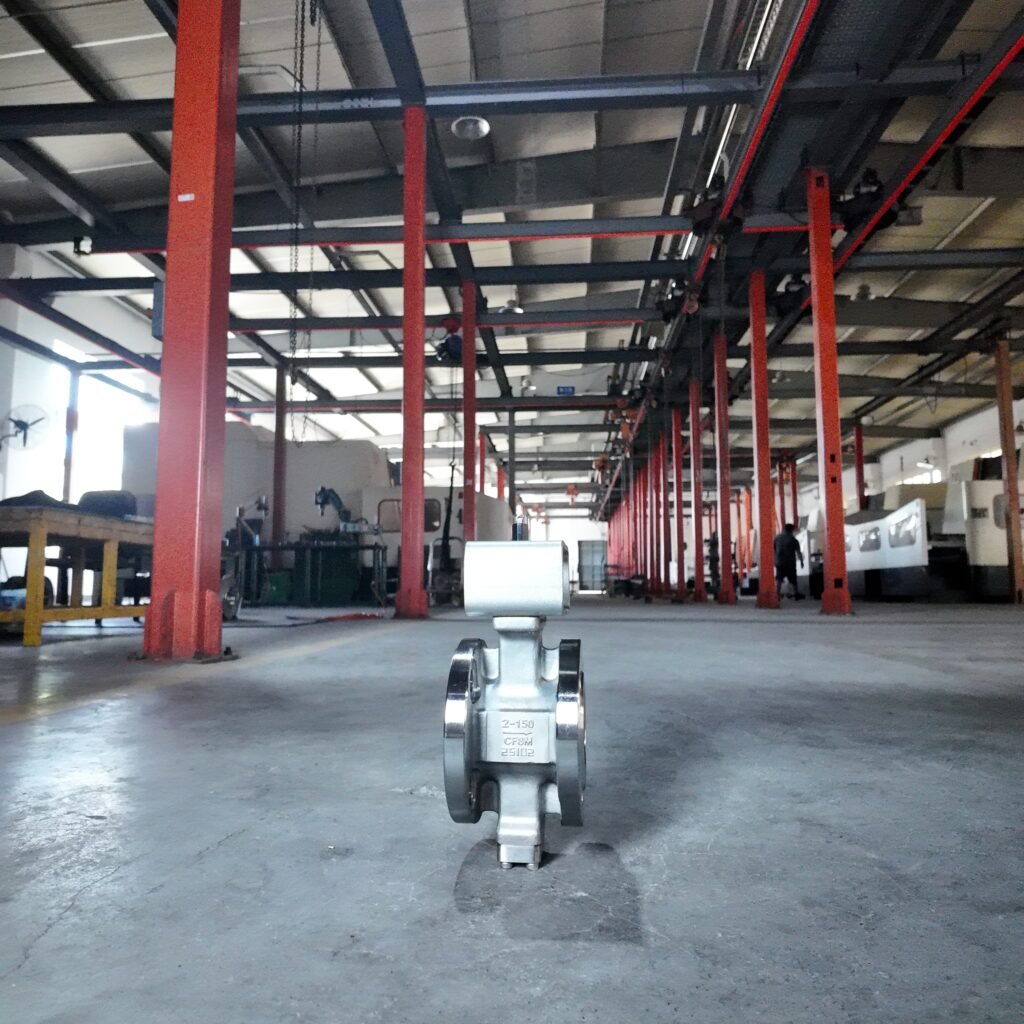
An irrigation system valve is a flow control device used in agricultural, landscape, and farm irrigation networks to regulate, distribute, and isolate water flow. These valves ensure that water is delivered efficiently to crops, fields, gardens, and landscaping systems.
Irrigation system valves are essential components in modern water management systems, helping farmers and irrigation operators optimize water usage, reduce waste, and improve crop productivity.
They are commonly used in:
- Agricultural farmland irrigation
- Greenhouse irrigation systems
- Drip irrigation networks
- Sprinkler irrigation systems
- Landscape irrigation
- Turf and golf course irrigation systems
Why Irrigation Systems Need Valves
Water distribution in agriculture must be controlled precisely to ensure even irrigation and prevent water waste.
Key Benefits
- Controlled water distribution
- Efficient water usage
- Reduced operational costs
- Easy system zoning
- Improved crop yield
- Automated irrigation capability
Without proper valves, irrigation systems may suffer from uneven watering, over-irrigation, or water shortages.
How Does an Irrigation System Valve Work?
An irrigation valve controls water flow by opening, closing, or partially restricting the pipeline.
Depending on the type of valve:
- The flow can be fully opened for irrigation cycles
- The flow can be partially adjusted for controlled watering
- The flow can be completely shut off for maintenance or zoning
Basic Operating Positions (for butterfly valves)
| Position | Function |
|---|---|
| 0° | Fully Closed |
| 45° | Partial Flow Control |
| 90° | Fully Open |
This allows precise control over irrigation zones.
Types of Irrigation System Valves
Butterfly Valves
One of the most widely used irrigation valves.
Advantages
- Lightweight design
- Cost-effective for large pipelines
- Quick operation
Applications
- Main irrigation pipelines
- Water distribution networks
Ball Valves
Common in small irrigation systems.
Benefits
- Tight shutoff
- Simple operation
Applications
- Drip irrigation lines
- Garden irrigation
Gate Valves
Used for full open or full closed control.
Advantages
- Minimal pressure loss
- Suitable for main water lines
Solenoid Valves
Used in automated irrigation systems.
Benefits
- Remote control capability
- Integration with timers and sensors
Applications
PVC Irrigation Valves
Widely used in low-pressure agricultural systems.
Advantages
- Lightweight
- Corrosion-resistant
- Affordable
Materials Used in Irrigation System Valves
PVC Valves
Most common in agriculture.
Benefits
- Low cost
- Corrosion resistance
- Easy installation
Applications:
- Farm irrigation systems
- Garden watering systems
Ductile Iron Valves
Used in larger irrigation pipelines.
Benefits
- High strength
- Long service life
Applications:
- Agricultural water distribution networks
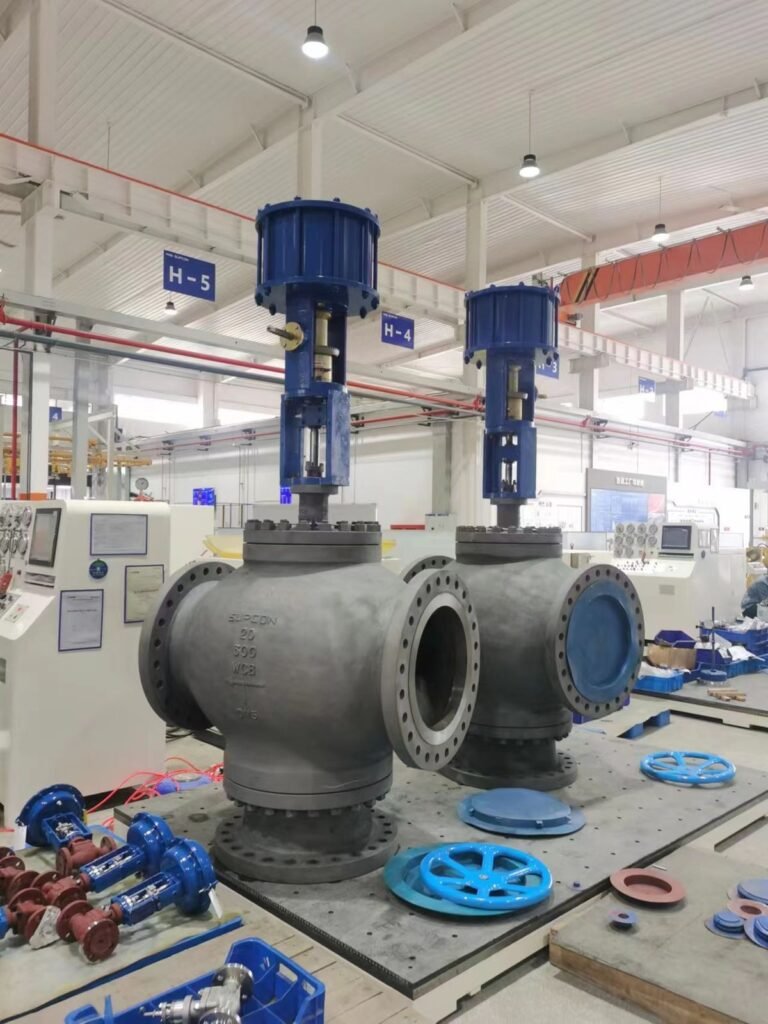
Stainless Steel Valves
Used in high-end irrigation systems.
Benefits
- Corrosion resistance
- Durability
- Suitable for harsh environments
Applications of Irrigation System Valves
Agricultural Irrigation
Used in:
- Crop fields
- Rice paddies
- Vegetable farms
Helps ensure uniform water distribution.
Drip Irrigation Systems
Valves regulate water delivery directly to plant roots, improving efficiency.
Sprinkler Irrigation Systems
Used to control water flow to sprinklers in open fields and landscapes.
Greenhouse Irrigation
Provides precise water control for controlled environment agriculture.
Landscape and Turf Irrigation
Used in:
- Parks
- Golf courses
- Residential landscaping
Advantages of Irrigation System Valves
Water Efficiency
Helps reduce water waste through controlled distribution.
Improved Crop Yield
Ensures plants receive the correct amount of water.
Automation Compatibility
Can be integrated with:
- Timers
- Sensors
- Smart irrigation controllers
Cost-Effective Operation
Reduces labor and water costs.
Easy Installation and Maintenance
Simple design ensures quick installation and servicing.
How to Choose the Right Irrigation System Valve
Consider Water Source and Pressure
Different systems require different pressure ratings and valve types.
Select the Right Material
- PVC for small systems
- Ductile iron for large agricultural pipelines
- Stainless steel for harsh environments
Choose Valve Type
Based on function:
- Isolation
- Regulation
- Automation
Evaluate System Size
Larger systems typically require butterfly or gate valves.
Automation Requirements
Consider whether manual or automated control is needed.
Benefits of Modern Irrigation System Valves
Efficient Water Management
Helps optimize irrigation schedules and reduce waste.
Scalability
Suitable for small gardens and large agricultural farms.
Durability
Designed to withstand outdoor environmental conditions.
Smart Farming Integration
Compatible with IoT-based irrigation systems.
Reduced Labor Costs
Automation reduces manual operation requirements.
Industry Standards and Quality Testing
Reliable irrigation valves are manufactured according to quality standards.
Common Tests
- Pressure testing
- Leakage testing
- Material inspection
- Durability testing
Certifications
- ISO 9001
- CE Certification
- Agricultural equipment standards
Industry references:
Frequently Asked Questions
What is an irrigation system valve?
A valve used to control and distribute water in agricultural, landscape, and irrigation systems.
Which valve is best for irrigation systems?
Butterfly valves are commonly used for large systems, while ball and solenoid valves are used for smaller or automated setups.
Can irrigation valves be automated?
Yes. Many irrigation systems use solenoid valves and smart controllers for automation.
What materials are used in irrigation valves?
PVC, ductile iron, and stainless steel are the most common materials.
Where are irrigation system valves used?
Agricultural fields, greenhouses, drip systems, sprinkler systems, and landscaping projects.
How do irrigation valves improve efficiency?
They control water distribution precisely, reducing waste and improving crop productivity.
Conclusion
An irrigation system valve is a vital component in modern agricultural water management. It ensures efficient water distribution, improves crop yield, reduces waste, and supports automation in smart farming systems.
Whether used in large farmland irrigation, drip systems, or landscape watering, selecting the right irrigation valve helps achieve reliable performance, long service life, and optimized water usage for sustainable agriculture.