
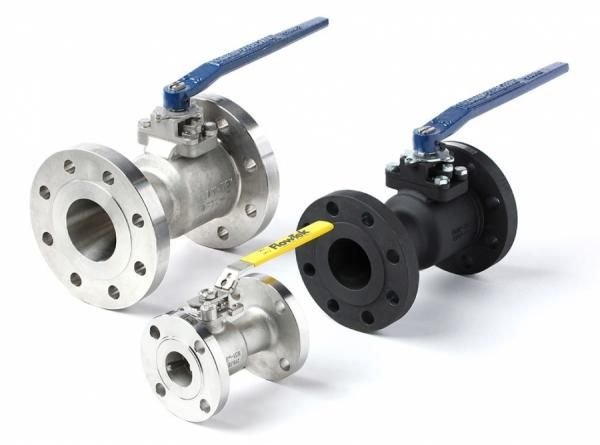
What Is a Fire Protection Butterfly Valve?
A fire protection butterfly valve is a quarter-turn valve specifically designed for use in fire sprinkler systems, fire water distribution networks, and firefighting infrastructure. It is used to isolate, regulate, or control water flow within fire protection systems while ensuring reliable operation during emergency situations.
Fire protection butterfly valves are commonly installed in:
- Automatic sprinkler systems
- Fire pump rooms
- Standpipe systems
- Fire water storage facilities
- Industrial firefighting networks
- Commercial building fire protection systems
These valves are engineered to meet strict fire safety standards and are often equipped with supervisory switches that monitor valve position.
Why Fire Protection Systems Use Butterfly Valves
Butterfly valves have become a preferred solution for fire protection systems because they combine reliable performance with a compact and economical design.
Key Advantages
- Fast quarter-turn operation
- Lightweight construction
- Easy installation
- Reliable shutoff capability
- Low maintenance requirements
- Suitable for large-diameter pipelines
Compared with gate valves, butterfly valves generally require less space and are easier to operate.
How Does a Fire Protection Butterfly Valve Work?
A fire protection butterfly valve uses a circular disc mounted on a rotating stem.
When the handle, gearbox, or actuator rotates:
- The disc aligns with the pipeline to allow water flow.
- The disc rotates perpendicular to the flow path to stop flow.
- Intermediate positions can regulate flow if required.
Valve Position Overview
| Disc Position | Valve Status |
|---|---|
| 0° | Fully Closed |
| 90° | Fully Open |
In most fire protection systems, butterfly valves are primarily used for isolation rather than throttling.
Main Components of a Fire Protection Butterfly Valve
Valve Body
Typically manufactured from:
- Ductile iron
- Cast iron
The body provides strength and durability.
Valve Disc
Usually made from:
- Ductile iron
- Stainless steel
The disc controls water flow through the valve.
Stem
Transfers operating force from the handle or gearbox to the disc.
Seat
Provides tight shutoff and prevents leakage.
Common materials include:
- EPDM
- NBR
Supervisory Switch
Many fire protection butterfly valves include a tamper or supervisory switch that sends an alert if the valve position changes.
Types of Fire Protection Butterfly Valves
Grooved Butterfly Valve
One of the most common valve types in fire protection systems.
Advantages
- Fast installation
- Easy maintenance
- Reduced labor costs
Applications:
- Fire sprinkler systems
- Commercial buildings
Wafer Butterfly Valve
Installed between pipeline flanges.
Benefits
- Compact design
- Lightweight construction
- Cost-effective solution
Applications:
- Industrial fire water systems
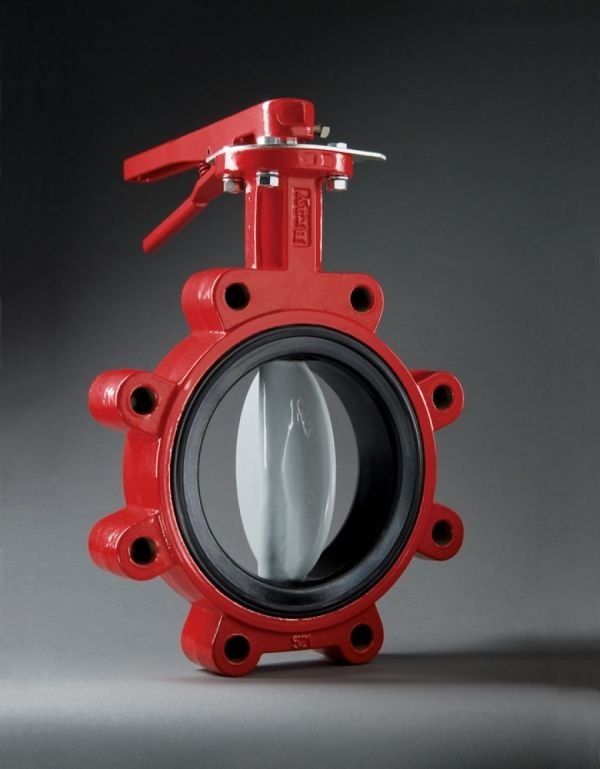
Lug Butterfly Valve
Features threaded inserts around the valve body.
Advantages
- Independent pipeline isolation
- Easier servicing
Applications:
- Fire pump stations
- Industrial facilities
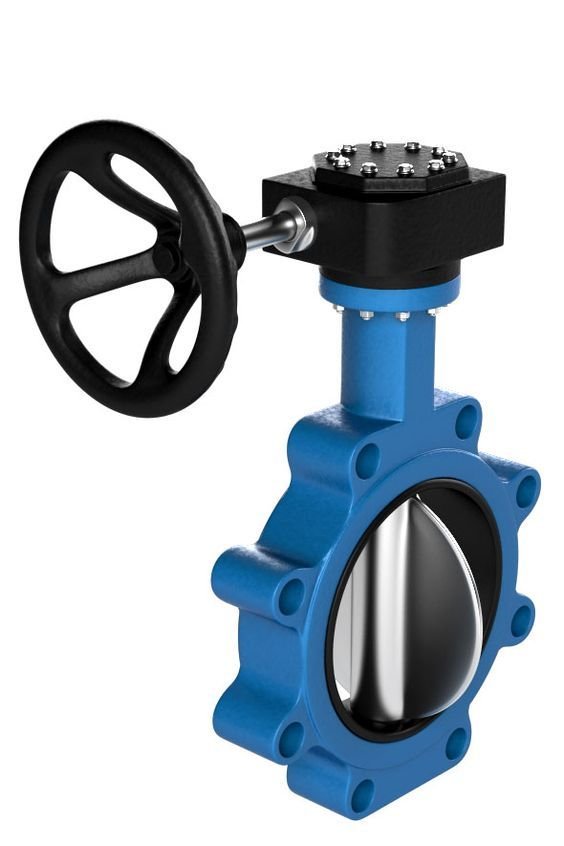
Flanged Butterfly Valve
Provides secure connections for larger systems.
Applications
Applications of Fire Protection Butterfly Valves
Automatic Sprinkler Systems
Butterfly valves isolate sections of sprinkler networks for maintenance and testing.
Fire Pump Rooms
Installed on:
- Suction lines
- Discharge lines
- System distribution pipelines
Standpipe Systems
Used in high-rise buildings and industrial facilities to control water supply.
Fire Water Storage Facilities
Butterfly valves regulate flow between storage tanks and distribution networks.
Industrial Fire Protection Systems
Commonly used in:
- Manufacturing plants
- Warehouses
- Oil and gas facilities
- Power stations
Materials Used in Fire Protection Butterfly Valves
Ductile Iron
The most commonly used material.
Benefits
- High strength
- Excellent durability
- Cost-effective
Applications:
- Sprinkler systems
- Fire water pipelines
Stainless Steel Components
Used for:
- Corrosion resistance
- Long service life
Particularly important in humid or corrosive environments.
Epoxy Coatings
Fusion-bonded epoxy coatings provide:
- Corrosion protection
- Enhanced durability
- Extended service life
Benefits of Fire Protection Butterfly Valves
Reliable Isolation
Provides dependable shutoff when maintenance or emergency isolation is required.
Compact Design
Occupies less space than many alternative valve types.
Easy Operation
Quarter-turn operation allows rapid opening and closing.
Long Service Life
Durable materials and protective coatings help maximize valve lifespan.
Cost-Effective Installation
Lower weight and compact design reduce installation costs.
Importance of Supervisory Switches
A supervisory switch helps monitor valve position.
Benefits Include
- Improved system safety
- Tamper detection
- Compliance with fire protection regulations
- Enhanced monitoring through building management systems
If a valve is unintentionally closed, the supervisory switch can trigger an alarm.
How to Choose the Right Fire Protection Butterfly Valve
Verify Certification Requirements
Select valves approved for fire protection applications.
Common certifications include:
- UL Listed
- FM Approved
Choose Appropriate Valve Size
Valve sizing should match the fire protection system design.
Select the Correct Connection Type
Options include:
- Grooved
- Wafer
- Lug
- Flanged
Evaluate Environmental Conditions
Consider:
- Humidity
- Corrosion potential
- Installation location
Ensure Supervisory Monitoring
For many systems, a supervisory switch is strongly recommended or required.
Industry Standards and Certifications
Reliable fire protection butterfly valves should comply with recognized standards.
Common Certifications
- UL Listed
- FM Approved
- ISO 9001
- CE Certification
Common Tests
- Hydrostatic pressure testing
- Leakage testing
- Operational testing
- Durability testing
Industry references:
Frequently Asked Questions
What is a fire protection butterfly valve?
A butterfly valve designed specifically for fire sprinkler systems and firefighting water networks.
Why are butterfly valves used in fire protection systems?
They provide reliable isolation, compact installation, quick operation, and cost-effective performance.
What is a supervisory switch?
A monitoring device that detects changes in valve position and can trigger an alarm if the valve is tampered with or accidentally closed.
What materials are commonly used in fire protection butterfly valves?
Ductile iron, stainless steel components, and epoxy-coated bodies are commonly used.
What certifications should fire protection butterfly valves have?
UL Listed and FM Approved certifications are widely recognized in fire protection applications.
Where are fire protection butterfly valves installed?
Sprinkler systems, fire pump rooms, standpipe systems, fire water tanks, and industrial firefighting networks.
Conclusion
A fire protection butterfly valve is a critical component in modern fire safety infrastructure. Designed for dependable performance in sprinkler systems, fire water pipelines, and firefighting networks, these valves provide reliable isolation, easy operation, and long-term durability.
Whether used in commercial buildings, industrial facilities, warehouses, or municipal fire protection systems, selecting a certified fire protection butterfly valve helps ensure system reliability, regulatory compliance, and enhanced safety during emergency situations.