
What Is a Wastewater Treatment Valve?
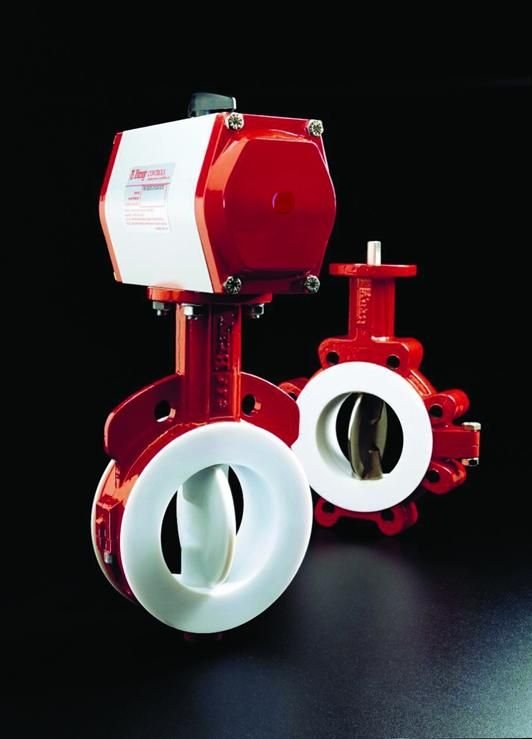
A wastewater treatment valve is a flow control device used in municipal and industrial wastewater treatment facilities to regulate, isolate, and direct the movement of wastewater, sludge, reclaimed water, and treatment chemicals. These valves are engineered to withstand corrosive environments, abrasive particles, and continuous operation in demanding treatment processes.
Wastewater treatment valves play a critical role in ensuring the efficiency, reliability, and safety of treatment systems.
They are commonly installed in:
- Municipal sewage treatment plants
- Industrial wastewater facilities
- Water recycling systems
- Sludge treatment processes
- Pumping stations
- Effluent discharge systems
Why Valves Are Essential in Wastewater Treatment
Wastewater treatment involves multiple stages that require precise flow control and equipment isolation.
Valves help operators:
- Control process flow rates
- Isolate equipment for maintenance
- Prevent backflow
- Manage sludge transportation
- Improve system efficiency
Without reliable valves, wastewater treatment operations can experience leaks, process interruptions, and increased maintenance costs.
Common Types of Wastewater Treatment Valves
Butterfly Valves
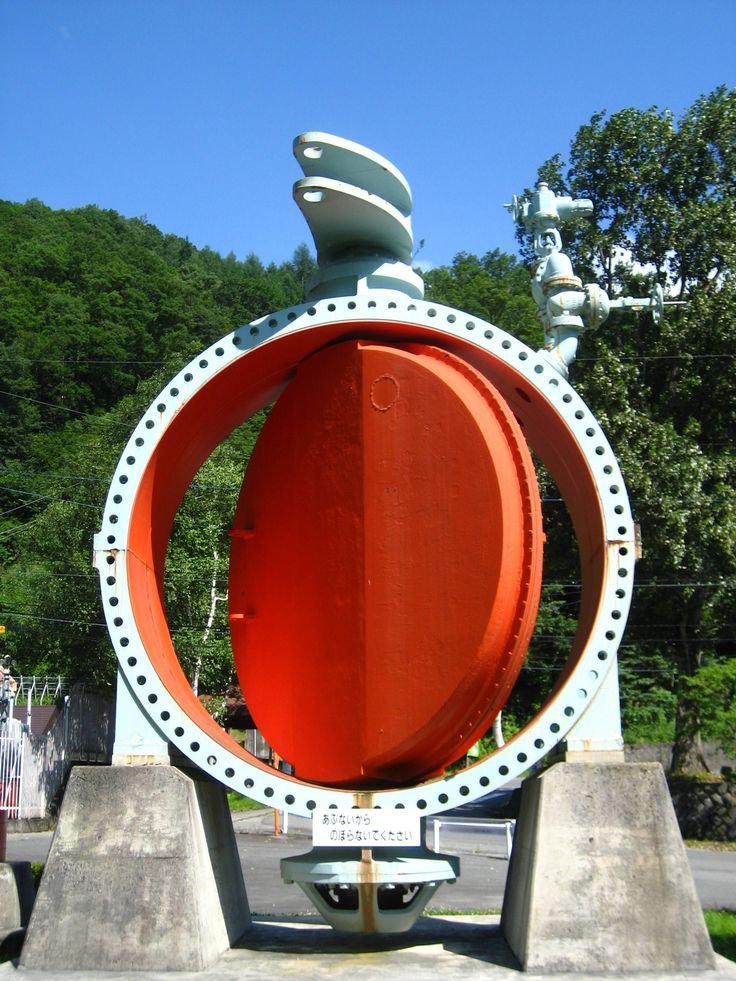
Butterfly valves are among the most widely used wastewater treatment valves.
Advantages
- Compact design
- Lightweight construction
- Low operating torque
- Cost-effective for large diameters
Applications
- Water distribution
- Sludge systems
- Pump stations
Gate Valves
Gate valves are used for full open or full closed operation.
Benefits
- Minimal pressure loss
- Reliable isolation
Applications
- Main transmission pipelines
- Large wastewater networks
Check Valves
Check valves prevent reverse flow.
Applications
Knife Gate Valves
Designed for handling slurry and sludge.
Advantages
- Effective in abrasive media
- Suitable for solids-containing fluids
Applications:

Ball Valves
Provide quick shutoff and reliable sealing.
Applications:
- Chemical dosing systems
- Utility services
Butterfly Valves in Wastewater Treatment
Butterfly valves are particularly popular because they offer an excellent balance of performance, durability, and affordability.
Key Features
- Quarter-turn operation
- Easy automation
- Space-saving design
- Low maintenance requirements
They are commonly used in:
- Aeration systems
- Clarifiers
- Filtration units
- Effluent pipelines
Materials Used in Wastewater Treatment Valves
Ductile Iron
The most common valve body material.
Benefits
- High strength
- Excellent durability
- Cost-effective solution
Applications:
- Municipal wastewater systems
Stainless Steel
Provides:
- Corrosion resistance
- Long service life
- Improved reliability
Applications:
- Industrial wastewater treatment
- Corrosive environments
Duplex Stainless Steel
Suitable for:
- Aggressive wastewater
- High chloride environments
Applications:
- Coastal treatment facilities
- Water reuse systems
Protective Coatings for Wastewater Valves
Because wastewater systems often contain corrosive substances, protective coatings are essential.
Fusion Bonded Epoxy (FBE)
Benefits:
- Excellent corrosion protection
- Long service life
- Water industry approval
Epoxy Coatings
Provide:
- Chemical resistance
- Enhanced durability
Rubber Linings
Common materials include:
- EPDM
- NBR
These materials improve sealing and corrosion resistance.
Applications of Wastewater Treatment Valves
Influent Systems
Valves regulate incoming wastewater before treatment begins.
Primary Treatment
Used in:
- Sedimentation tanks
- Clarifiers
- Flow diversion systems
Secondary Treatment
Applications include:
- Aeration systems
- Biological treatment processes
Sludge Handling Systems
Valves control:
- Sludge transfer
- Dewatering operations
- Thickening systems
Effluent Discharge Systems
Used to regulate treated water before discharge or reuse.
Key Features of a High-Quality Wastewater Treatment Valve
Corrosion Resistance
Valves must withstand:
- Hydrogen sulfide
- Chlorides
- Treatment chemicals
Abrasion Resistance
Sludge and solids can cause wear, making durable materials essential.
Reliable Sealing
Effective sealing minimizes leakage and improves process efficiency.
Easy Maintenance
Accessible designs help reduce downtime and service costs.
Automation Compatibility
Modern valves can be fitted with:
- Electric actuators
- Pneumatic actuators
for remote operation and process control.
How to Choose the Right Wastewater Treatment Valve
Analyze Process Requirements
Consider:
- Flow rate
- Pressure
- Temperature
Evaluate Media Characteristics
Determine:
- Solids content
- Corrosion potential
- Chemical composition
Select Appropriate Materials
Match valve materials to operating conditions for maximum lifespan.
Consider Valve Function
Choose the correct valve type based on:
- Isolation
- Regulation
- Backflow prevention
Review Certification Requirements
Ensure compliance with applicable water and wastewater standards.
Benefits of Using High-Quality Wastewater Treatment Valves
Improved Operational Efficiency
Reliable valves help maintain consistent process performance.
Reduced Maintenance Costs
Durable construction minimizes repairs and replacements.
Long Service Life
Properly selected valves provide years of dependable operation.
Enhanced Environmental Compliance
Accurate flow control supports regulatory compliance and environmental protection.

Lower Lifecycle Costs
Investing in quality valves often reduces long-term operating expenses.
Industry Standards and Certifications
Reliable wastewater treatment valves are manufactured according to recognized standards.
Common Certifications
- ISO 9001
- CE Certification
- EN Standards
- AWWA Guidelines
Common Tests
- Hydrostatic pressure testing
- Leakage testing
- Coating inspection
- Material verification
- Functional testing
Industry references:
Frequently Asked Questions
What is a wastewater treatment valve?
A valve used to control, isolate, and regulate wastewater, sludge, reclaimed water, and treatment chemicals in wastewater facilities.
Which valve type is most commonly used in wastewater treatment?
Butterfly valves are among the most widely used because of their compact design, reliability, and cost-effectiveness.
What materials are commonly used for wastewater valves?
Ductile iron, stainless steel, duplex stainless steel, and coated materials are frequently used.
Why is corrosion resistance important in wastewater treatment valves?
Wastewater often contains corrosive substances that can damage standard valve materials and shorten service life.
Can wastewater treatment valves be automated?
Yes. Many valves can be fitted with electric or pneumatic actuators for remote operation.
What applications use wastewater treatment valves?
Influent systems, aeration tanks, clarifiers, sludge handling systems, pumping stations, and effluent discharge networks.
Conclusion
A wastewater treatment valve is a vital component in modern sewage treatment and water reclamation facilities. Designed to withstand corrosive environments, abrasive media, and continuous operation, these valves help ensure efficient flow control, reliable system performance, and long service life.
Whether used in municipal wastewater plants, industrial treatment facilities, sludge processing systems, or water reuse projects, selecting the right wastewater treatment valve contributes to improved operational efficiency, reduced maintenance costs, and enhanced environmental compliance.