
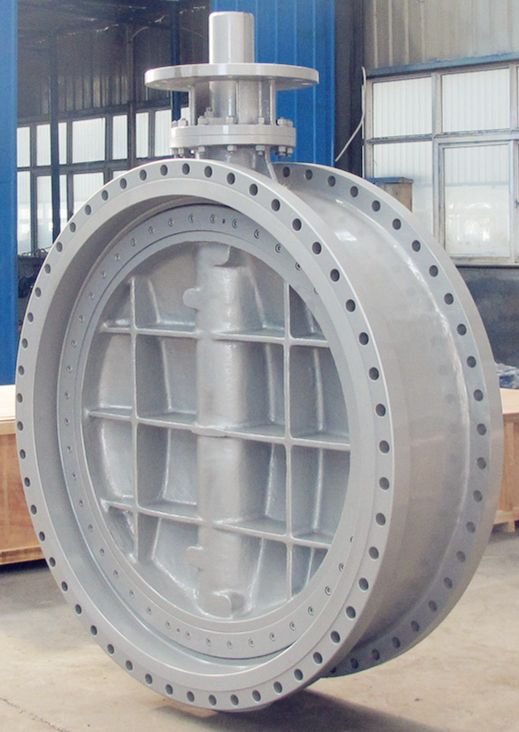
What Are Fire Protection Valves?
Fire protection valves are specialized valves used to control, isolate, and regulate water flow in fire suppression systems. They are critical components in fire sprinkler networks, standpipe systems, fire pump installations, hydrant systems, and fire water storage facilities.
These valves help ensure that water is delivered quickly and reliably during a fire emergency while allowing maintenance and testing without shutting down the entire fire protection system.
Why Are Fire Protection Valves Important?
A properly designed fire protection system depends on reliable valves to:
- Supply water during fire emergencies
- Isolate sections for maintenance
- Prevent reverse water flow
- Monitor system status
- Protect fire pumps
- Support routine inspection and testing
- Maintain compliance with fire safety regulations
Using certified valves improves both system reliability and occupant safety.
Common Types of Fire Protection Valves
Butterfly Valves
Butterfly valves are among the most widely used fire protection valves because of their compact design and quick quarter-turn operation.
Advantages
- Lightweight construction
- Fast opening and closing
- Easy installation
- Suitable for large-diameter pipelines
- Compatible with supervisory tamper switches
Applications:
- Fire sprinkler systems
- Fire water mains
- Pump rooms
- Isolation service
Gate Valves
Gate valves provide full-port isolation with minimal pressure loss.
Applications include:
- Underground fire mains
- Municipal fire water systems
- Hydrant networks
Check Valves
Check valves prevent reverse water flow and protect fire pumps.
Common applications:
- Fire pump discharge lines
- Booster pump systems
- Water supply connections
Alarm Valves
Alarm valves are designed specifically for wet pipe sprinkler systems.
Functions include:
- Water flow detection
- Alarm activation
- System monitoring
Deluge Valves
Deluge valves rapidly release water into deluge sprinkler systems.
Typical applications:
- Aircraft hangars
- Chemical plants
- Power generation facilities
- High-hazard industrial areas
Butterfly Valves in Fire Protection Systems
Butterfly valves are commonly used as isolation valves in modern fire protection systems because they are compact, economical, and easy to operate.
Common Types
- Wafer butterfly valve
- Lug butterfly valve
- Double flanged butterfly valve
- Supervisory butterfly valve
- Gear-operated butterfly valve
Many fire protection butterfly valves are equipped with tamper switches that monitor valve position and send signals to the fire alarm control panel if the valve is moved from its normal open position.
Materials Used for Fire Protection Valves
Material selection depends on system pressure, water quality, and installation environment.
Body Materials
- Ductile Iron
- Cast Iron
- Carbon Steel
- Stainless Steel
Disc Materials
- Stainless Steel 304
- Stainless Steel 316
- Ductile Iron with protective coating
Seat Materials
| Material | Typical Application |
|---|---|
| EPDM | Fire water systems |
| NBR | Utility water systems |
| PTFE | Specialized industrial applications |
Fusion-bonded epoxy (FBE) coatings are commonly applied to ductile iron valves to improve corrosion resistance and extend service life.
Applications of Fire Protection Valves
Commercial Buildings
Used for:
- Fire sprinkler systems
- Standpipe systems
- Fire pump rooms
Industrial Facilities
Applications include:
- Manufacturing plants
- Warehouses
- Processing facilities
Municipal Fire Protection
Suitable for:
- Underground fire mains
- Hydrant systems
- Water distribution networks
Oil and Gas Facilities
Used in:
- Firewater pipelines
- Storage terminals
- Refinery fire protection systems
Power Plants
Applications include:
- Fire suppression systems
- Cooling water backup
- Emergency response infrastructure
Key Factors When Selecting Fire Protection Valves
Consider the following when choosing fire protection valves:
- System pressure
- Valve size
- Flow capacity
- Corrosion resistance
- Valve type
- End connection (wafer, lug, flanged)
- Operating method
- Fire safety certifications
- Local code requirements
Selecting certified valves helps ensure dependable performance during emergencies.
Automation and Monitoring
Modern fire protection systems often include valve monitoring devices.
Available options include:
- Supervisory tamper switches
- Electric actuators (specialized systems)
- Gear operators
- Position indicators
Monitoring devices improve inspection, maintenance, and compliance with fire safety regulations.
Quality Standards and Certifications
Reliable fire protection valves should comply with recognized international standards and approvals.
Common Certifications
- ISO 9001
- CE Certification
- UL Listed
- FM Approved
- EN 1074
- AWWA Standards (where applicable)
Industry references:
How to Choose a Reliable Fire Protection Valve Supplier
When selecting a supplier, consider:
- Experience in fire protection products
- UL/FM certification capabilities
- Quality management system
- Pressure testing facilities
- Product traceability
- OEM and customization services
- Technical support
- International export experience
Working with a qualified manufacturer helps ensure compliance with project specifications and applicable fire safety standards.
Frequently Asked Questions
What are fire protection valves used for?
They control, isolate, and regulate water flow in fire sprinkler systems, standpipes, hydrants, and fire pump installations.
Which valve is commonly used in fire sprinkler systems?
Butterfly valves and gate valves are commonly used as isolation valves, while alarm valves are used in wet pipe sprinkler systems.
Why are butterfly valves popular in fire protection systems?
They are compact, easy to operate, suitable for large pipelines, and can be fitted with supervisory tamper switches.
What certifications should fire protection valves have?
Depending on project requirements, common approvals include UL Listed, FM Approved, ISO 9001, CE, and compliance with EN or AWWA standards.
Can fire protection valves be monitored remotely?
Yes. Many butterfly valves are equipped with tamper switches that connect to the building’s fire alarm monitoring system.
How do I choose the right fire protection valve?
Evaluate system pressure, valve size, installation requirements, certification needs, material compatibility, and local fire codes.
Conclusion
Fire protection valves are essential components of modern fire safety systems, ensuring reliable water flow for fire suppression, system isolation, and equipment protection. From butterfly and gate valves to check, alarm, and deluge valves, each type plays a specific role in maintaining system performance and regulatory compliance.
By selecting certified valves manufactured to recognized industry standards and matched to the application’s operating conditions, facility owners and engineers can improve fire system reliability, simplify maintenance, and enhance overall safety for commercial, industrial, and municipal installations.