
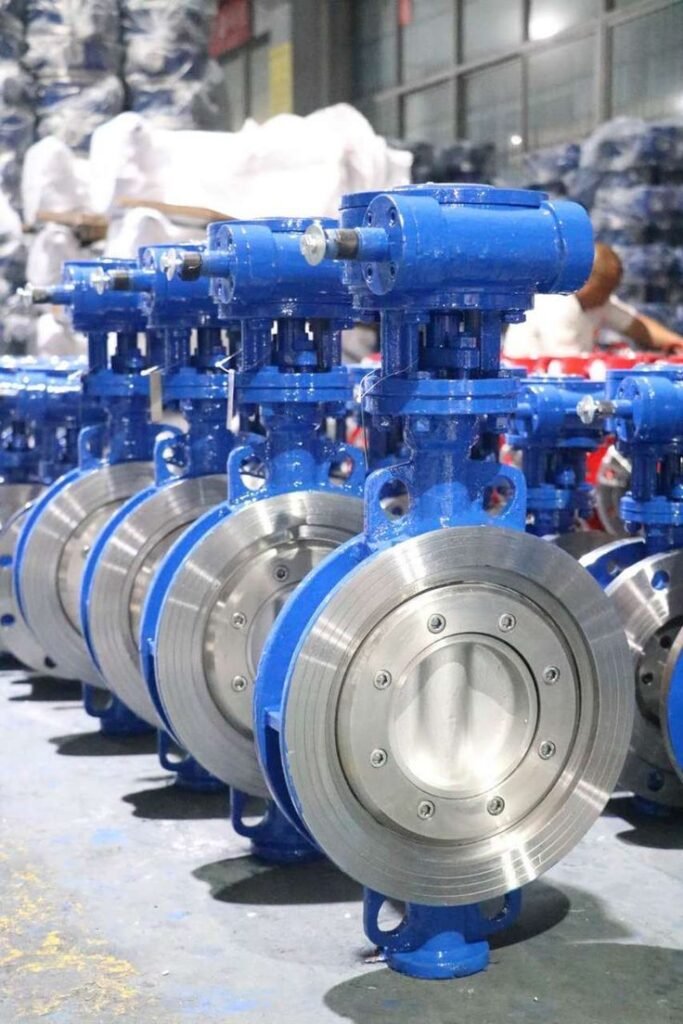
What Is a Butterfly Valve for Water Treatment?
A butterfly valve for water treatment is a quarter-turn valve designed to control, isolate, and regulate water flow in municipal and industrial treatment systems. Its compact design, low operating torque, and excellent sealing performance make it one of the most widely used valve types in water supply, wastewater treatment, desalination, and filtration facilities.
Compared with larger isolation valves, butterfly valves require less installation space, are easier to automate, and offer a cost-effective solution for both new projects and system upgrades.
Why Butterfly Valves Are Ideal for Water Treatment
Water treatment plants require valves that are reliable, durable, and easy to operate. Butterfly valves meet these requirements through several key advantages:
- Compact and lightweight design
- Quarter-turn opening and closing
- Low operating torque
- Excellent sealing performance
- Suitable for large-diameter pipelines
- Easy integration with electric or pneumatic actuators
- Lower installation and maintenance costs
These benefits make butterfly valves a preferred choice for municipal utilities and industrial water processing facilities.
Common Types of Butterfly Valves for Water Treatment
Wafer Butterfly Valve
Installed between two flanges, wafer butterfly valves are compact and economical.
Best for:
- Clean water pipelines
- Filtration systems
- HVAC water circuits
Lug Butterfly Valve
Lug-style valves feature threaded inserts that allow one side of the pipeline to be disconnected for maintenance.
Best for:
- Pump stations
- Industrial water systems
- Maintenance-intensive installations
Double Flanged Butterfly Valve
Double flanged valves provide a stronger connection for large-diameter or high-flow pipelines.
Best for:
- Municipal water distribution
- Raw water transmission
- Main process pipelines
Resilient Seated Butterfly Valve
Soft-seated butterfly valves provide bubble-tight shutoff using EPDM or other elastomer seats.
Best for:
- Drinking water
- Wastewater
- Filtration systems
- Fire water systems
Materials Used
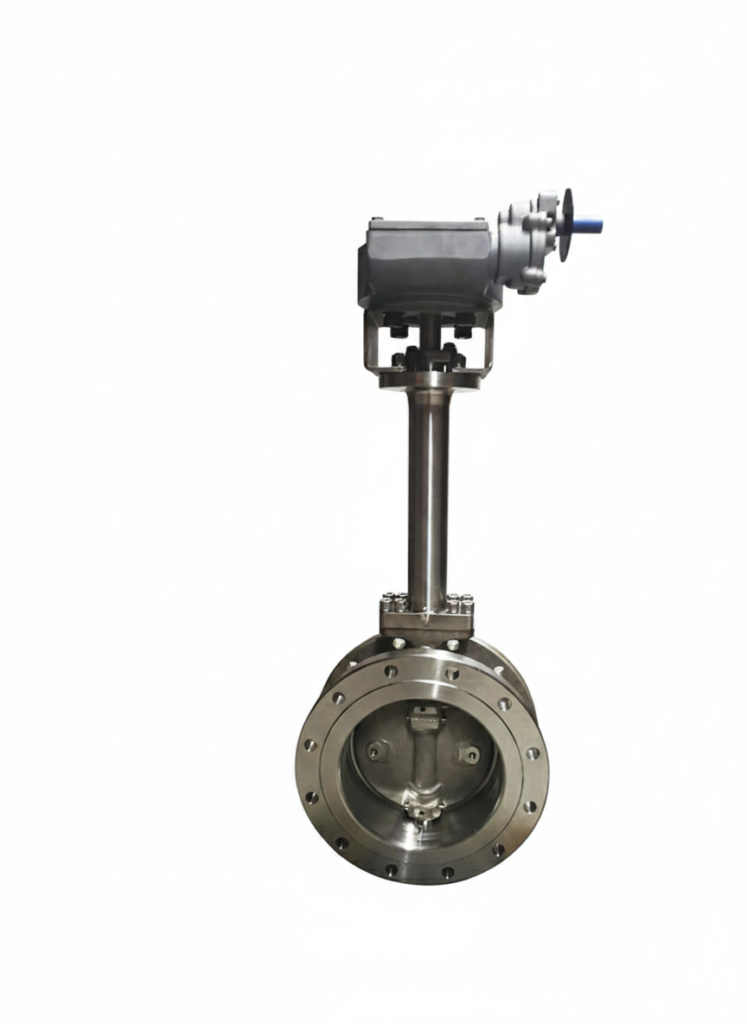
Selecting suitable materials improves durability and ensures compatibility with water quality requirements.
Valve Body Materials
- Ductile Iron
- Stainless Steel
- Carbon Steel (for selected industrial applications)
Disc Materials
- Stainless Steel 304
- Stainless Steel 316
- Ductile Iron with epoxy coating
- Aluminum Bronze
Seat Materials
| Material | Typical Application |
|---|---|
| EPDM | Drinking water and municipal systems |
| NBR | Industrial water with light oil contamination |
| PTFE | Chemical dosing systems |
| Viton | Elevated-temperature applications |
For potable water systems, EPDM seats and epoxy-coated ductile iron bodies are among the most common configurations.
Applications of Butterfly Valves in Water Treatment
Raw Water Intake
Butterfly valves regulate water entering treatment facilities from rivers, lakes, reservoirs, or wells.
Filtration Systems
Used to isolate sand filters, membrane filtration units, and activated carbon systems for maintenance and operation.
Water Distribution
Installed throughout treated water distribution networks to control flow and isolate pipeline sections.
Wastewater Treatment
Common applications include:
- Sludge pipelines
- Aeration systems
- Clarifiers
- Effluent discharge lines
Desalination Plants
Butterfly valves are used in:
- Seawater intake systems
- Reverse osmosis processes
- Product water pipelines
Pump Stations
Installed on suction and discharge lines to facilitate pump maintenance and system isolation.
Manual and Automated Operation
Depending on system requirements, butterfly valves can be operated using:
- Lever handle
- Worm gear operator
- Electric actuator
- Pneumatic actuator
Automated valves are widely used in modern water treatment plants to enable remote control, improve operational efficiency, and integrate with SCADA systems.
Advantages of Butterfly Valves for Water Treatment
| Advantage | Benefit |
|---|---|
| Compact Design | Saves installation space |
| Lightweight | Easier transportation and installation |
| Quarter-Turn Operation | Fast opening and closing |
| Low Torque | Suitable for automation |
| Excellent Sealing | Minimizes water leakage |
| Cost-Effective | Lower installation and maintenance costs |
| Long Service Life | Reliable performance with proper maintenance |
How to Choose the Right Butterfly Valve for Water Treatment
When selecting a butterfly valve for water treatment, consider:
- Pipeline diameter (DN size)
- Operating pressure (PN10, PN16, PN25, etc.)
- Water quality and media characteristics
- Temperature range
- End connection (wafer, lug, or flanged)
- Manual or automated operation
- Body and seat material compatibility
- Applicable industry standards and certifications
Choosing the correct valve configuration helps maximize efficiency and reduce lifecycle costs.
Quality Standards and Certifications
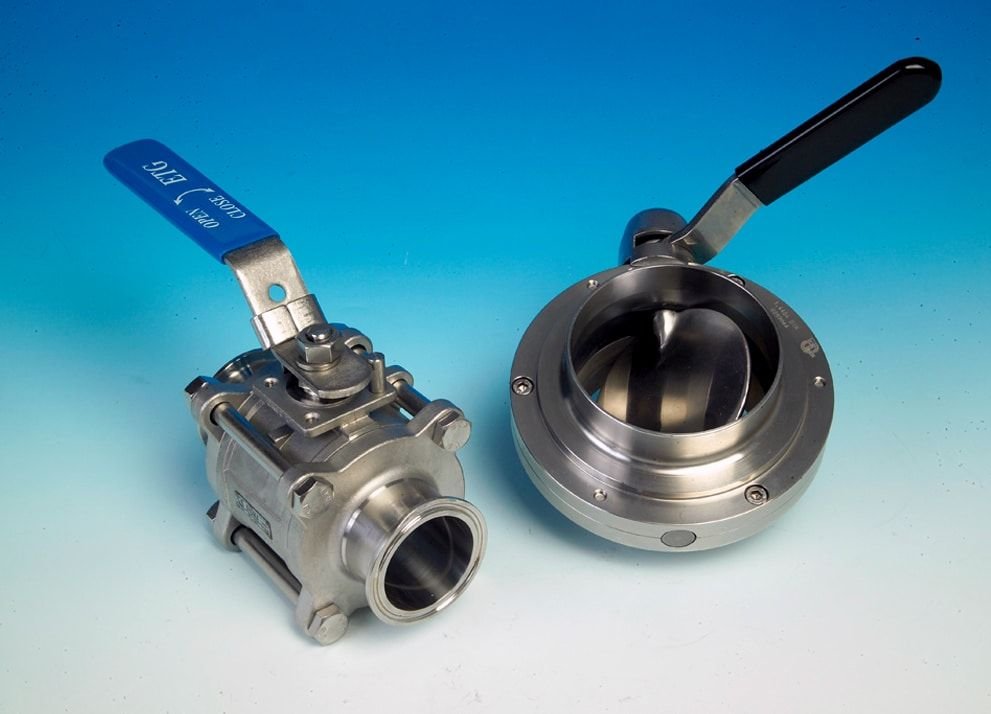
Reliable butterfly valves should comply with internationally recognized standards.
Common Standards
- ISO 9001
- CE Certification
- WRAS Approval
- NSF/ANSI 61 (where required for potable water)
- EN 593 (Butterfly Valves)
- AWWA standards (for municipal water applications)
Industry references:
Frequently Asked Questions
Why are butterfly valves commonly used in water treatment?
They offer compact construction, reliable sealing, low operating torque, and economical installation, making them ideal for large water systems.
Which seat material is best for drinking water applications?
EPDM is widely used because it provides excellent sealing performance and is commonly specified for potable water systems.
Can butterfly valves be automated?
Yes. Electric and pneumatic actuators are commonly used to automate butterfly valves in modern water treatment facilities.
What is the difference between wafer and flanged butterfly valves?
Wafer valves are installed between flanges for compact installations, while flanged valves provide a more robust connection for larger or higher-demand pipelines.
What pressure ratings are available?
Common pressure ratings include PN10, PN16, and PN25, depending on the valve design and application.
How do I select the correct butterfly valve?
Consider pipe size, operating pressure, water quality, temperature, installation method, and required certifications before selecting a valve.
Conclusion
A butterfly valve for water treatment is one of the most efficient and economical solutions for controlling water flow in municipal and industrial systems. Its compact design, dependable sealing, ease of automation, and broad range of materials make it suitable for applications ranging from raw water intake and filtration to wastewater treatment and clean water distribution.
By selecting the appropriate valve type, materials, pressure rating, and actuator, engineers and operators can improve system reliability, reduce maintenance requirements, and ensure long-term performance in demanding water treatment environments.