
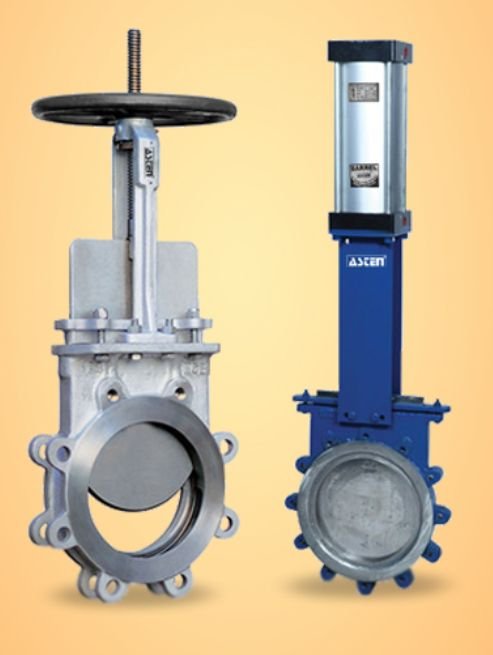
What Is an Industrial Valve for Oil and Gas?
An industrial valve for oil and gas is a specialized valve designed to control, isolate, regulate, or direct the flow of crude oil, natural gas, refined fuels, steam, and other process media in energy production and processing facilities. These valves are engineered to withstand high pressure, extreme temperatures, corrosive fluids, and demanding operating conditions while maintaining reliable sealing and operational safety.
Industrial valves are used throughout the entire oil and gas value chain, including upstream exploration and production, midstream transportation and storage, and downstream refining and petrochemical processing.
Why Industrial Valves Are Critical in Oil and Gas
Oil and gas facilities operate under demanding conditions where equipment reliability is essential. Industrial valves help to:
- Control process flow and pressure
- Isolate equipment for maintenance
- Prevent reverse flow
- Protect pumps and compressors
- Improve plant safety
- Reduce downtime
- Support automated process control
Choosing the correct valve improves system performance, minimizes maintenance, and extends equipment life.
Common Types of Industrial Valves for Oil and Gas
Butterfly Valves
Butterfly valves are commonly used for large-diameter pipelines and utility systems because of their compact design and quarter-turn operation.
Advantages
- Lightweight construction
- Low operating torque
- Fast opening and closing
- Suitable for automation
Typical applications:
- Cooling water systems
- Firewater pipelines
- Storage terminals
- Utility services
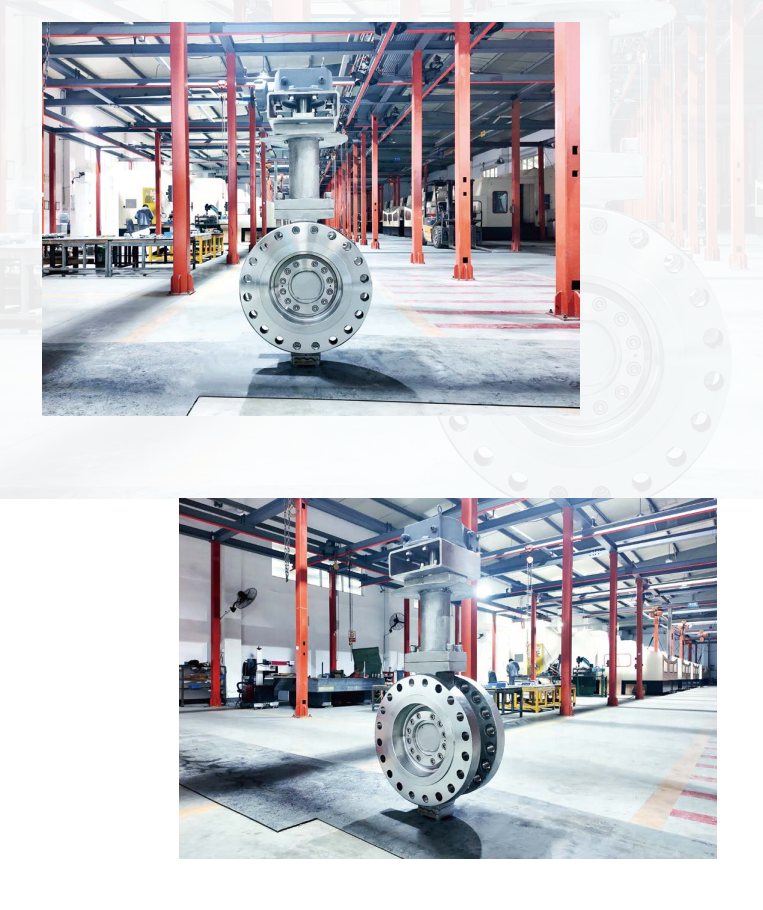
High-performance and triple offset butterfly valves are often selected for higher-pressure and higher-temperature applications.
Ball Valves
Ball valves provide tight shutoff and reliable isolation.
Applications include:
- Crude oil pipelines
- Natural gas transmission
- Refineries
- LNG facilities
Gate Valves
Gate valves are primarily used for on/off isolation in high-pressure pipelines.
Suitable for:
- Transmission pipelines
- Wellhead systems
- Storage facilities
Globe Valves
Globe valves offer precise throttling and flow regulation.
Applications:
- Steam systems
- Pressure control
- Refinery process lines
Check Valves
Check valves automatically prevent reverse flow.
Used in:
- Pump discharge systems
- Compressor stations
- Pipeline protection
Control Valves
Control valves automatically regulate flow, pressure, and temperature.
Common applications:
- Process automation
- Refining operations
- Petrochemical production
Butterfly Valves in Oil and Gas Systems
Modern oil and gas facilities increasingly use butterfly valves because they offer a compact and lightweight alternative to traditional gate valves.
Common Butterfly Valve Designs
- High-performance butterfly valve
- Double offset butterfly valve
- Triple offset butterfly valve
- Metal seated butterfly valve
- Electric butterfly valve
- Pneumatic butterfly valve
Triple offset butterfly valves are especially suitable for severe service conditions requiring high-temperature resistance and metal-to-metal sealing.
Materials Used for Oil and Gas Valves
Material selection depends on process media, pressure, temperature, and corrosion resistance requirements.
Body Materials
- Carbon Steel
- Stainless Steel
- Cast Steel
- Duplex Stainless Steel
Disc and Trim Materials
- Stainless Steel 316
- Duplex Stainless Steel
- Inconel
- Monel
Seat Materials
| Material | Typical Application |
|---|---|
| PTFE | Chemical and light hydrocarbon service |
| RPTFE | Enhanced wear resistance |
| Metal Seat | High-temperature and high-pressure service |
| Viton | Hydrocarbon and fuel applications |
Selecting compatible materials helps maximize valve life and operational reliability.
Applications Across the Oil and Gas Industry
Upstream Operations
Industrial valves are used in:
- Wellhead equipment
- Production facilities
- Gathering pipelines
Midstream Operations
Applications include:
- Crude oil transmission
- Natural gas pipelines
- Compressor stations
- Storage terminals
Downstream Operations
Suitable for:
- Oil refineries
- Petrochemical plants
- LNG terminals
- Gas processing facilities
Offshore Platforms
Used in:
- Firewater systems
- Cooling water circuits
- Process piping
- Utility services

Key Factors When Selecting an Industrial Valve for Oil and Gas
When choosing an industrial valve for oil and gas, consider:
- Operating pressure
- Temperature range
- Fluid properties
- Corrosion resistance
- Valve type
- End connection
- Actuation method
- Maintenance requirements
- Compliance with applicable standards
Proper valve selection improves safety, reliability, and long-term operating performance.
Automation Solutions
Oil and gas facilities often require automated valve operation for improved efficiency and safety.
Available actuators include:
- Pneumatic actuators
- Electric actuators
- Hydraulic actuators
- Manual gear operators
Automation supports remote monitoring, process optimization, and emergency shutdown systems.
Quality Standards and Certifications
Reliable industrial valves should comply with recognized international standards.
Common Standards
- API 609
- API 6D
- API 598
- ISO 9001
- ASME
- ANSI
- NACE MR0175 / ISO 15156 (for sour service, where applicable)
Industry references:
How to Choose a Reliable Industrial Valve Manufacturer
When selecting a supplier, evaluate:
- Experience in oil and gas projects
- Manufacturing capabilities
- Quality management system
- Pressure testing facilities
- API and ISO certifications
- OEM and custom engineering services
- Export experience
- Technical support and after-sales service
Partnering with an experienced manufacturer helps ensure consistent quality and dependable performance in demanding environments.
Frequently Asked Questions
What is an industrial valve for oil and gas used for?
It is used to control, isolate, and regulate the flow of crude oil, natural gas, steam, and other process media throughout oil and gas facilities.
Which valve types are commonly used in oil and gas?
Butterfly, ball, gate, globe, check, and control valves are all widely used, depending on the application.
Why are triple offset butterfly valves used in oil and gas?
They provide durable metal-to-metal sealing, making them suitable for high-temperature, high-pressure, and severe service conditions.
Can industrial valves be automated?
Yes. Pneumatic, hydraulic, and electric actuators are commonly used for automated process control and emergency shutdown systems.
What standards should oil and gas valves meet?
API, ASME, ANSI, ISO, and NACE standards are commonly specified depending on the service conditions and project requirements.
How do I choose the right industrial valve?
Evaluate operating pressure, temperature, media compatibility, valve function, material selection, actuator type, and compliance with applicable standards.
Conclusion
An industrial valve for oil and gas is a critical component in ensuring the safe and efficient operation of upstream, midstream, and downstream facilities. From butterfly and ball valves to gate, globe, check, and control valves, each type serves a specific purpose in managing flow, pressure, and system safety.
By selecting high-quality valves manufactured to recognized industry standards and matched to the application’s operating conditions, operators can improve reliability, reduce maintenance costs, and achieve long-term performance across a wide range of oil and gas processes.