
Introduction
When selecting a butterfly valve for an industrial piping system, one of the most common questions is flanged vs wafer butterfly valve. Both designs provide reliable quarter-turn flow control, but they differ in installation, structural strength, maintenance, and suitable applications.
Understanding these differences helps engineers, contractors, and purchasing managers choose the right valve for water treatment, HVAC, chemical processing, oil and gas, fire protection, and other industrial systems.
This guide compares flanged and wafer butterfly valves to help you make an informed decision.
What Is a Wafer Butterfly Valve?
A wafer butterfly valve is designed to fit between two pipeline flanges. Long bolts pass through both flanges and clamp the valve securely in place.
Key Features
- Compact and lightweight
- Cost-effective design
- Easy installation
- Suitable for bidirectional flow
- Requires minimal installation space
Wafer butterfly valves are among the most widely used valves in water distribution and HVAC systems.
What Is a Flanged Butterfly Valve?
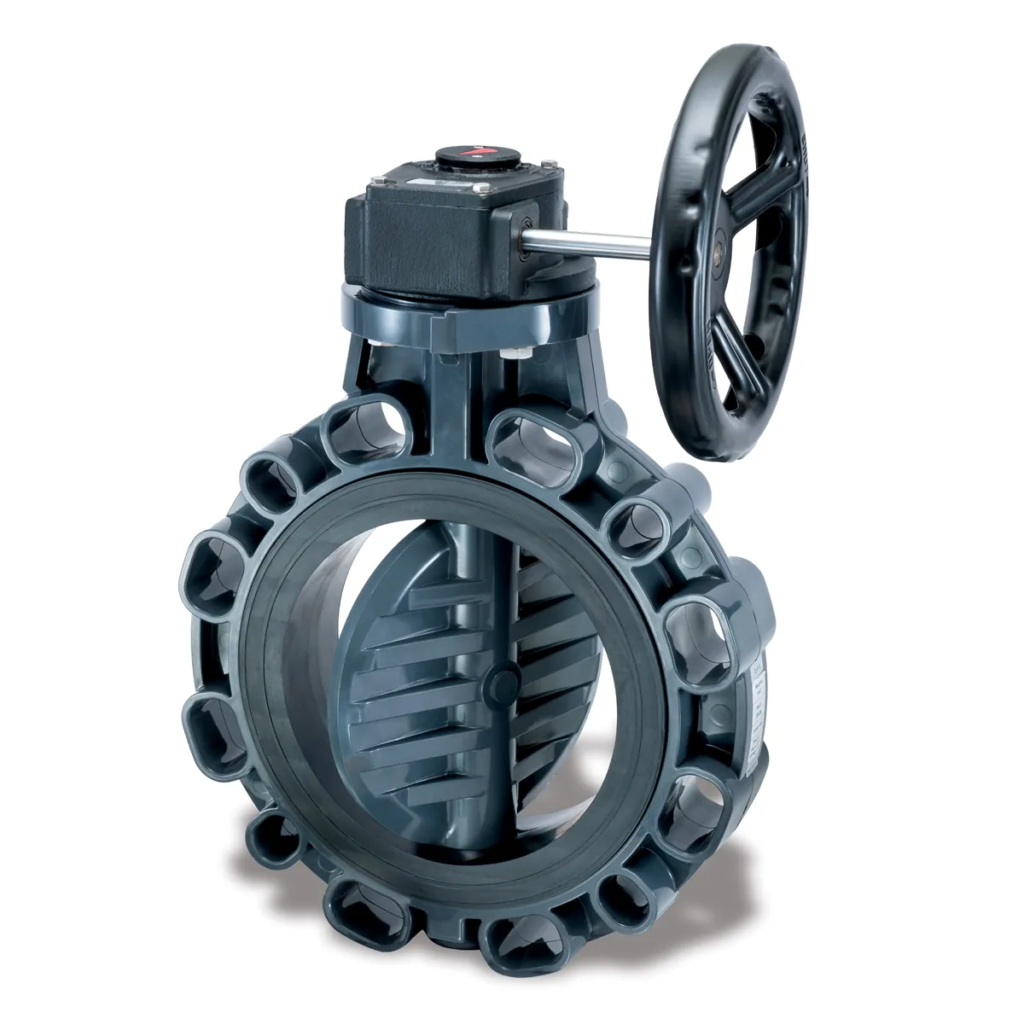
A flanged butterfly valve has integral flanges on both sides of the valve body, allowing it to be bolted directly to matching pipe flanges.
Key Features
- Strong and rigid connection
- Excellent alignment
- Suitable for larger pipelines
- Better mechanical stability
- Easy removal for maintenance
Flanged butterfly valves are commonly selected for demanding industrial applications.
Flanged vs Wafer Butterfly Valve: Key Differences
| Feature | Flanged Butterfly Valve | Wafer Butterfly Valve |
|---|---|---|
| Connection | Integral flanges | Installed between flanges |
| Installation | Bolted directly to pipeline | Clamped with long bolts |
| Weight | Heavier | Lighter |
| Installation Space | Requires more space | Compact design |
| Cost | Higher | Lower |
| Mechanical Strength | Higher | Moderate |
| Large Diameter Pipelines | Excellent | Suitable for many applications |
| Maintenance | Easier removal and replacement | May require loosening both flanges |
Installation Differences
Wafer Butterfly Valve Installation
The valve is positioned between two pipe flanges and secured using bolts that extend through both flanges.
Advantages
- Simple installation
- Reduced weight
- Lower material costs
Best suited for:
- Water treatment
- HVAC systems
- Utility pipelines
Flanged Butterfly Valve Installation
The valve body includes integral flanges that are bolted directly to the mating pipeline flanges.
Advantages
- More secure connection
- Improved stability
- Better support for larger valves
Common applications include:
- Municipal water distribution
- Industrial processing
- Power plants
Performance Comparison
Pressure Resistance
Flanged butterfly valves generally provide greater structural support for larger pipelines and higher-pressure applications.
Wafer butterfly valves perform well in low- to medium-pressure systems such as PN10 and PN16 water networks.
Maintenance
Flanged valves are often easier to remove for servicing because they have dedicated flange connections.
Wafer valves may require loosening both pipeline flanges during maintenance.
Space Requirements
Wafer butterfly valves require significantly less installation space, making them ideal for compact piping layouts.
Flanged valves require additional clearance due to their integral flange design.
Typical Applications
Wafer Butterfly Valve Applications
- Water treatment plants
- HVAC systems
- Irrigation networks
- Municipal water distribution
- Fire protection systems
Flanged Butterfly Valve Applications
- Large-diameter pipelines
- Industrial processing plants
- Oil and gas facilities
- Chemical plants
- Power generation
- Marine engineering
Advantages of Wafer Butterfly Valves
- Lower initial cost
- Lightweight construction
- Compact installation
- Easy handling
- Reduced transportation costs
- Suitable for automated systems
Advantages of Flanged Butterfly Valves
- Strong mechanical connection
- Excellent stability
- Better for large pipe sizes
- Simplified maintenance
- Reliable long-term performance
- Suitable for demanding operating conditions
How to Choose Between Flanged and Wafer Butterfly Valves
When comparing flanged vs wafer butterfly valve, consider the following factors:
Pipeline Size
Large-diameter systems often benefit from flanged valves because of their stronger structural support.
Operating Pressure
For higher-pressure applications, flanged valves may provide additional mechanical stability.
Installation Space
Where space is limited, wafer valves are usually the better option.
Maintenance Requirements
If frequent maintenance is expected, flanged valves may simplify valve removal and replacement.
Budget
Wafer butterfly valves generally have lower purchase and installation costs.
Materials Available
Both valve types are available in various materials.

Body Materials
- Ductile Iron
- Carbon Steel
- Stainless Steel
Disc Materials
- Stainless Steel 304
- Stainless Steel 316
- Aluminum Bronze
Seat Materials
- EPDM
- NBR
- PTFE
- Viton
Material selection should be based on the process media, operating pressure, and temperature.
Quality Standards
Reliable butterfly valves are manufactured according to internationally recognized standards.
Common Standards
- ISO 9001
- EN 593
- CE Certification
- API 609 (where applicable)
- AWWA Standards
Industry references:
Frequently Asked Questions
What is the main difference between flanged and wafer butterfly valves?
A flanged butterfly valve has integral flanges for direct pipeline connection, while a wafer butterfly valve is clamped between two pipe flanges using long bolts.
Which valve is more economical?
Wafer butterfly valves are generally less expensive due to their lighter weight and simpler design.
Which valve is better for large pipelines?
Flanged butterfly valves are often preferred for larger-diameter pipelines because they provide greater mechanical stability.
Can both valve types be automated?
Yes. Both flanged and wafer butterfly valves can be equipped with manual, electric, or pneumatic actuators.
Which valve is commonly used in water treatment?
Both are widely used, but wafer butterfly valves are particularly popular because of their compact design and cost-effectiveness.
How do I choose between flanged and wafer butterfly valves?
Consider pipeline size, operating pressure, installation space, maintenance needs, budget, and project specifications.
Conclusion
Understanding the differences between flanged vs wafer butterfly valve designs is essential for selecting the most suitable valve for your piping system. Wafer butterfly valves offer a lightweight, compact, and economical solution for water treatment, HVAC, and general industrial applications, while flanged butterfly valves provide greater structural strength and are well suited to larger pipelines and more demanding operating conditions.
By evaluating factors such as pressure, pipe size, installation requirements, and maintenance needs, engineers and facility managers can choose the butterfly valve design that delivers reliable performance, efficient flow control, and long-term value.