
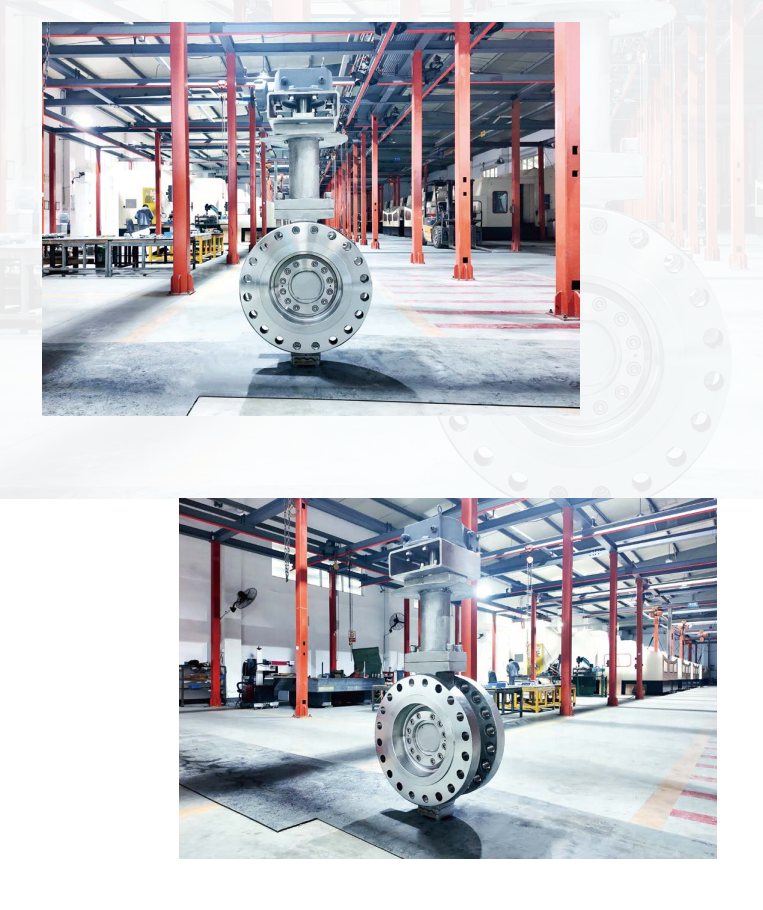
Choosing the right butterfly valve manufacturing company can have a major impact on product quality, project reliability, purchasing costs, and long-term maintenance. Butterfly valves are widely used in water treatment, wastewater, HVAC, cooling water, desalination, chemical processing, power generation, marine systems, and industrial pipelines.
Although a butterfly valve has fewer moving parts than many other industrial valve designs, every component still needs to work correctly. The valve body must withstand pressure, the disc must operate smoothly, the shaft must maintain proper alignment, and the seat must provide reliable sealing.
For buyers, this means the manufacturing process matters just as much as the final product.
A professional manufacturer should have appropriate engineering capabilities, controlled production processes, suitable testing equipment, and the ability to maintain consistent quality across repeat orders.
For industrial projects requiring flanged valves, you can also explore our flanged valve product range.
What Is a Butterfly Valve Manufacturing Company?
A butterfly valve manufacturing company is a business that designs and produces butterfly valves for industrial and commercial applications.
Unlike a simple trading company, a manufacturing company typically has direct involvement in processes such as:
- Product design
- Casting or forging
- CNC machining
- Component inspection
- Assembly
- Pressure testing
- Leakage testing
- Surface treatment
- Final inspection
- Packaging
Some manufacturers also provide additional services, including:
- OEM manufacturing
- ODM development
- Private labeling
- Custom engineering
- Actuator integration
- Special materials
- Customized dimensions
- Project documentation
However, not every company performs every process internally. Buyers should verify the actual manufacturing scope before placing an order.
Why Manufacturing Capability Matters
A butterfly valve’s performance is strongly influenced by manufacturing accuracy.
For example, dimensional errors in the shaft or disc can increase operating torque. Poor seat manufacturing can cause leakage. Inadequate coating preparation can reduce corrosion protection.
Manufacturing quality can therefore affect:
- Sealing performance
- Operating torque
- Corrosion resistance
- Service life
- Installation
- Maintenance
- Actuator performance
A reliable manufacturer should have defined procedures for controlling these factors.
Key Manufacturing Capabilities to Evaluate
| Capability | Why It Matters |
|---|---|
| Engineering | Supports product selection and customization |
| Casting/forging | Determines quality of pressure-containing parts |
| Machining | Controls critical dimensions |
| Assembly | Affects valve operation |
| Testing | Verifies pressure and sealing performance |
| Coating | Provides surface protection |
| Inspection | Detects manufacturing problems |
| Production planning | Supports delivery schedules |
1. Butterfly Valve Designs
A capable manufacturer may offer several butterfly valve configurations.
Concentric Butterfly Valves
Concentric designs are widely used for general isolation applications.
Typical applications include:
- Drinking water
- Wastewater
- HVAC
- Cooling water
- Irrigation
- Utility systems
They’re commonly supplied with resilient seats.
Double Offset Butterfly Valves
Double offset designs change the shaft position relative to the disc and sealing surface.
Potential advantages include:
- Reduced friction
- Lower seat wear
- Improved operating characteristics
- Better suitability for demanding service
Triple Offset Butterfly Valves
Triple offset designs use a specialized sealing geometry.
They’re often considered for:
- High-temperature service
- Steam
- Hydrocarbons
- Metal-seated applications
- Industrial process systems
The appropriate design should be selected according to actual process conditions.
2. Materials Used in Butterfly Valve Manufacturing
Material selection is fundamental to valve performance.
Common body materials include:
| Material | Typical Applications |
|---|---|
| Cast iron | General water and HVAC |
| Ductile iron | Water and industrial pipelines |
| Carbon steel | Industrial process service |
| Stainless steel | Corrosive environments |
| Aluminum bronze | Marine and selected seawater applications |
Internal components can be manufactured from different materials according to the application.
Common options include:
- Stainless steel
- Carbon steel
- Aluminum bronze
- Special alloys
- Coated materials
Material Selection Factors
The manufacturer should consider:
- Fluid chemistry
- Corrosion
- Operating temperature
- Operating pressure
- Abrasion
- Mechanical stress
- Expected service life
For projects with strict procurement specifications, buyers may request material certificates and inspection records.
3. Butterfly Valve Seat Manufacturing
The seat is critical for reliable shut-off.
EPDM Seats
Commonly used for:
- Drinking water
- Wastewater
- Cooling water
- General water applications
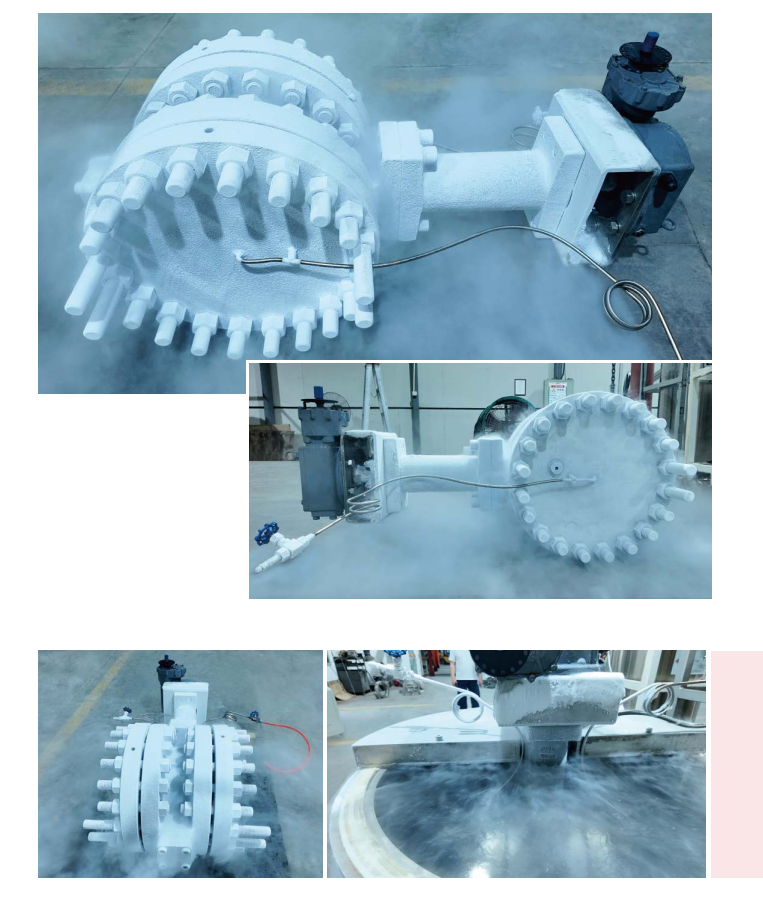
NBR Seats
Often selected for suitable oil and hydrocarbon applications.
PTFE Seats
Can provide strong chemical resistance in appropriate services.
FKM Seats
Can be used in selected chemical, hydrocarbon, and elevated-temperature applications.
Metal Seats
Metal-seated designs may be selected for high-temperature or otherwise demanding services.
Seat selection must be based on fluid compatibility and operating temperature.
4. Pressure Ratings and Connections
Common butterfly valve pressure ratings include:
- PN10
- PN16
- PN25
- Class 150
However, buyers should not evaluate pressure ratings without considering temperature.
Important parameters include:
- Maximum working pressure
- Differential pressure
- Operating temperature
- Pressure-temperature limitations
- Leakage requirements
- Design standard
- Testing standard
Common Connection Types
A manufacturing company may offer:
- Wafer
- Lug
- Flanged
- Double flanged
- Grooved
For replacement applications, buyers should confirm:
- Face-to-face dimensions
- Flange drilling
- Bolt-hole pattern
- Valve height
- Actuator mounting dimensions
5. Butterfly Valve Manufacturing Process
A typical manufacturing workflow looks like this:
Raw Material → Casting/Forging → Machining → Inspection → Assembly → Pressure Testing → Surface Treatment → Final Inspection → Packaging
Each stage contributes to the final product.
Casting and Forging
Pressure-containing components must meet the specified material and dimensional requirements.
CNC Machining
Critical components may include:
- Valve bodies
- Discs
- Shafts
- Bearing areas
- Seat surfaces
- Flange faces
- Mounting pads
Accurate machining helps maintain proper alignment and operating performance.
Assembly
Components such as the disc, shaft, seat, bearings, bushings, and seals are assembled according to established procedures.
Surface Treatment
Depending on the material and application, the valve may receive:
- Epoxy coating
- Painting
- Powder coating
- Other protective finishes
6. Quality Control and Testing
Quality control should cover the complete production process.
Incoming Material Inspection
Materials are checked against approved specifications.
Dimensional Inspection
Critical dimensions are measured using appropriate inspection equipment.
Shell Pressure Testing
The valve body is tested to verify pressure integrity.
Seat Leakage Testing
The valve is tested for the specified shut-off performance.
Functional Testing
The valve is operated to verify smooth opening and closing.
Final Inspection
Final inspection can include:
- Appearance
- Dimensions
- Coating
- Marking
- Operation
- Cleanliness
- Packaging
For automated valves, additional checks may cover actuator operation and accessories.
7. Manual and Actuated Butterfly Valves
A full-service manufacturer may produce both manual and automated butterfly valves.
Manual Operation
Common configurations include:
- Lever operated
- Gear operated
- Chain wheel operated
Electric Actuation
Electric actuators can support:
- Remote operation
- Automatic isolation
- PLC integration
- Position feedback
- Modulating control
Pneumatic Actuation
Pneumatic actuators are widely used in industrial automation.
Typical configurations include:
- Double acting
- Spring return
Hydraulic Actuation
Hydraulic actuators can provide high operating force for demanding applications.
A manufacturer that supplies complete assemblies can simplify procurement and installation.
8. Actuator Torque and Valve Sizing
For automated butterfly valves, correct actuator sizing is essential.
The required operating torque can depend on:
- Valve size
- Seat material
- Differential pressure
- Disc geometry
- Fluid
- Temperature
- Operating frequency
The actuator should be selected based on verified valve torque rather than simply matching the mounting dimensions.
Fail-Safe Requirements
Depending on the process, the valve may need to:
- Fail open
- Fail closed
- Remain in its current position
These requirements should be established before actuator selection.
9. OEM and ODM Manufacturing Services
Many modern valve manufacturers also support customized product development.
OEM Manufacturing
OEM services can include:
- Customer branding
- Custom nameplates
- Model numbers
- Packaging
- Special materials
- Customized specifications
- Private documentation
ODM Development
ODM can involve greater engineering responsibility.
The manufacturer may support:
- Product design
- Engineering development
- Prototypes
- Testing
- Design optimization
- Production scaling
This is useful for distributors and industrial brands that want to develop their own butterfly valve product series.
10. Production Capacity and Consistency
Production capacity is particularly important for distributors and large projects.
A manufacturer should have sufficient resources for:
- Raw material procurement
- Machining
- Assembly
- Testing
- Quality inspection
- Storage
- Packaging
Repeat-Order Consistency
The first batch is only part of the relationship.
Future batches should maintain the approved:
- Materials
- Dimensions
- Seat specifications
- Component interfaces
- Markings
- Performance requirements
A controlled engineering change process can prevent unexpected product modifications.
Butterfly Valve Manufacturing Company for Distributors
Distributors often need a long-term manufacturing partner.
A manufacturer can support them with:
- Private-label products
- Custom packaging
- Product catalogs
- Datasheets
- Technical drawings
- Dedicated model numbers
- Repeat production
- Inventory planning
For distributors, consistent quality can be more valuable than a slightly lower initial purchase price.
A stable product allows the distributor to build customer confidence and simplify inventory management.
Butterfly Valve Manufacturing Company for EPC Contractors
EPC projects often have detailed technical and documentation requirements.
A manufacturing company may need to provide:
- Valve datasheets
- General arrangement drawings
- Material certificates
- Inspection plans
- Pressure-test reports
- Leakage-test reports
- Actuator documents
- Certificates of conformity
- Operation manuals
- Spare-parts lists
A typical workflow is:
RFQ → Technical Review → Quotation → Clarification → Purchase Order → Drawing Approval → Production → Inspection → Testing → Documentation → Shipment
Clear communication at each stage can reduce project risk.
How to Choose a Butterfly Valve Manufacturing Company
A structured evaluation is better than comparing quotations alone.
| Evaluation Factor | What to Check |
|---|---|
| Factory | Does it have actual manufacturing facilities? |
| Engineering | Can it handle technical customization? |
| Materials | Are materials controlled and documented? |
| Machining | How are critical dimensions inspected? |
| Assembly | Are production procedures standardized? |
| Testing | Are pressure and leakage tests available? |
| Quality | Is inspection documented? |
| Actuation | Can complete valve assemblies be supplied? |
| OEM/ODM | Can it support private-label products? |
| Capacity | Can it handle bulk production? |
| Documentation | Are project documents available? |
| Delivery | Is production planning reliable? |
| Support | Is technical support available? |
For major projects, a factory audit or third-party inspection can provide additional assurance.
Manufacturer vs Distributor: What’s the Difference?
Not every butterfly valve company is a manufacturer.
Manufacturing Company
A manufacturer generally controls:
- Production
- Machining
- Assembly
- Testing
- Quality management
Distributor
A distributor typically purchases products from manufacturers and resells them.
Distributors can provide valuable local inventory and customer service, but buyers looking for OEM, ODM, or highly customized products may benefit from direct manufacturer communication.
Global Export and Project Support
For international customers, logistics and documentation are also important.
An export-capable manufacturer may provide:
- Commercial invoices
- Packing lists
- Certificates of origin
- Test reports
- Material certificates
- Export packaging
- Shipping documentation
- Product markings
For large-diameter butterfly valves, packaging size and shipping weight can have a significant impact on transportation costs.
Delivery terms and responsibilities should be clearly agreed before shipment.
Common Mistakes When Selecting a Manufacturer
Choosing the Lowest Price
A low quotation can reflect differences in material, components, testing, coating, or quality control.
Not Verifying the Factory
A company may sell products without manufacturing them directly.
Ignoring Fluid Compatibility
Materials and seats must be compatible with the actual fluid.
Selecting the Wrong Valve Design
A standard concentric valve isn’t necessarily the best solution for every process.

Ignoring Temperature
Seat and material selection can change significantly with operating temperature.
Skipping Torque Verification
Automated valves require proper actuator sizing.
Not Confirming Dimensions
Incorrect face-to-face dimensions or flange drilling can cause installation problems.
Failing to Define Testing
Testing requirements should be established before manufacturing begins.
Butterfly Valve Manufacturing Company Selection Checklist
Before placing an order, confirm:
- Valve design
- Valve size
- Pressure rating
- Fluid
- Operating pressure
- Operating temperature
- Body material
- Disc material
- Shaft material
- Seat material
- Connection type
- Flange standard
- Face-to-face dimension
- Manual or automated operation
- Actuator type
- Operating torque
- Fail position
- Accessories
- Testing requirements
- Inspection requirements
- Certifications
- Technical documents
- OEM/ODM requirements
- Packaging
- Quantity
- Delivery schedule
Frequently Asked Questions
What is a butterfly valve manufacturing company?
A butterfly valve manufacturing company designs and/or manufactures butterfly valves and may also provide assembly, testing, actuation, OEM, ODM, and export services.
What types of butterfly valves can a manufacturer produce?
Depending on its capabilities, a manufacturer may produce concentric, double offset, triple offset, wafer, lug, flanged, double flanged, and grooved butterfly valves.
What materials are commonly used?
Common body materials include cast iron, ductile iron, carbon steel, stainless steel, and aluminum bronze. Seat materials may include EPDM, NBR, PTFE, FKM, and metal.
Can a manufacturing company provide customized butterfly valves?
Yes. Customization may include materials, dimensions, pressure ratings, connections, seats, coatings, actuators, accessories, markings, and packaging.
Can a butterfly valve manufacturer provide OEM and ODM services?
Many manufacturers can. OEM generally focuses on manufacturing according to customer specifications, while ODM can include deeper product design and engineering support.
How are butterfly valves tested?
Typical tests include shell pressure testing, seat leakage testing, functional testing, dimensional inspection, and visual inspection. Additional tests may be required depending on the project.
How can I verify whether a company is a real manufacturer?
Ask about its factory, machinery, machining processes, assembly facilities, testing equipment, quality system, production capacity, and manufacturing scope. A factory audit can provide additional verification.
Can manufacturers supply actuated butterfly valves?
Yes. Many manufacturers can provide electric, pneumatic, or hydraulic actuators together with accessories such as limit switches, solenoid valves, position indicators, and positioners.
What information should I provide when requesting a quotation?
Provide the valve type, size, pressure rating, fluid, temperature, pressure, body and internal materials, seat, connection standard, actuator requirements, testing requirements, quantity, documentation, and delivery requirements.
Why is production consistency important?
Consistent production ensures that repeat orders maintain the same approved dimensions, materials, interfaces, and performance. This is particularly important for distributors, OEM brands, and long-term industrial projects.
Conclusion
Selecting the right butterfly valve manufacturing company is about much more than comparing prices.
A dependable manufacturer should combine engineering expertise, material control, accurate machining, standardized assembly, reliable sealing, pressure and leakage testing, quality management, and sufficient production capacity.
For distributors and industrial brands, OEM and ODM services can provide additional product flexibility. For EPC contractors, technical documentation, inspection, testing, certifications, and delivery performance are equally important.
Before selecting a manufacturer, clearly define the valve’s size, pressure rating, fluid, temperature, body and internal materials, seat, connection, dimensions, operating method, actuator requirements, testing, documentation, and delivery schedule.
The right manufacturing partner should be able to do more than produce a valve. It should provide consistent quality, technical support, customization, dependable delivery, and long-term supply capability.
In the long run, that’s what turns a valve manufacturer into a reliable industrial supply-chain partner.