
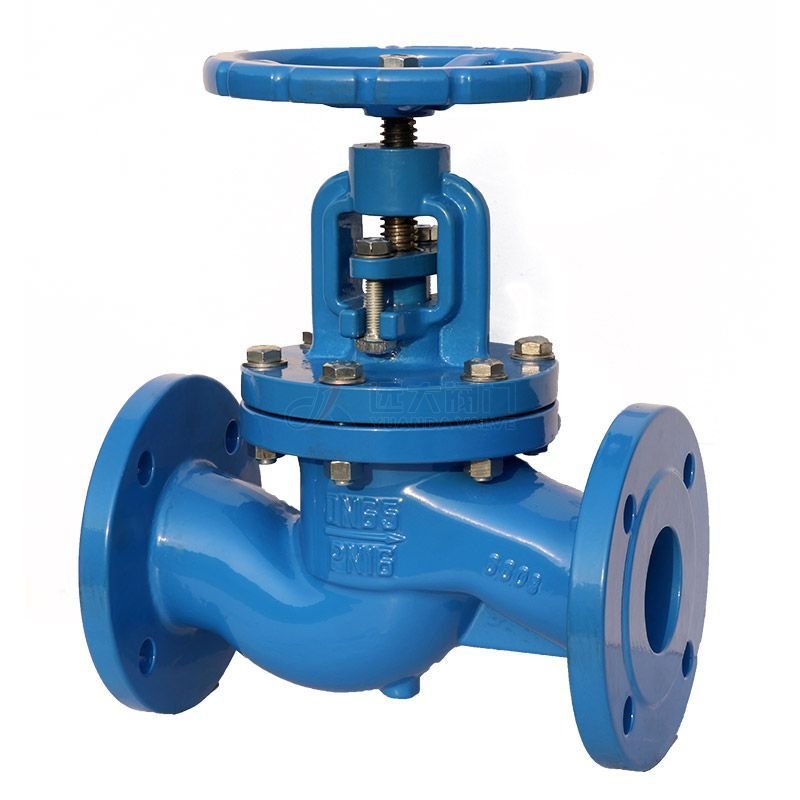
Choosing the right butterfly valve manufacturing factory is a key step for distributors, EPC contractors, industrial equipment manufacturers, engineering companies, and valve brands. A reliable factory doesn’t simply assemble a valve. It needs to control important stages of production, from material selection and machining to assembly, testing, inspection, and packaging.
Butterfly valves are used in many industries, including water treatment, wastewater, HVAC, cooling water, desalination, chemical processing, power generation, marine systems, and industrial process pipelines.
Different applications require different combinations of valve design, pressure rating, body material, disc material, seat material, connection type, and actuation. Therefore, the manufacturing factory’s engineering and production capabilities can directly affect the quality and reliability of the final valve.
For industrial projects requiring flanged configurations, you can also explore our flanged valve product range.
What Is a Butterfly Valve Manufacturing Factory?
A butterfly valve manufacturing factory is a production facility where butterfly valves and their components are manufactured, machined, assembled, inspected, and tested.
Depending on the factory’s capabilities, its production scope may include:
- Valve body manufacturing
- Disc manufacturing
- Shaft machining
- Seat production
- CNC machining
- Valve assembly
- Pressure testing
- Leakage testing
- Surface treatment
- Actuator assembly
- Final inspection
- Export packaging
Some factories also provide:
- OEM production
- ODM development
- Private labeling
- Custom engineering
- Special materials
- Customized dimensions
- Complete actuated valve assemblies
However, buyers shouldn’t assume that every factory performs all processes internally. It’s important to understand which processes are actually controlled by the factory and which are outsourced.
Why Does the Factory Matter for Butterfly Valve Quality?
A butterfly valve’s performance depends on many manufacturing details.
For example, poor machining accuracy can affect disc alignment. An unsuitable seat finish can contribute to leakage. Inconsistent shaft dimensions can increase operating torque.
Factory capabilities can therefore influence:
- Sealing performance
- Operating torque
- Pressure resistance
- Corrosion protection
- Service life
- Installation
- Maintenance
A professional factory should have defined procedures for controlling these factors.
Important Factory Capabilities
Buyers should evaluate:
- Production equipment
- Machining capability
- Assembly facilities
- Testing equipment
- Quality-control procedures
- Material management
- Engineering resources
- Production capacity
- Customization capability
- Packaging and logistics
1. Butterfly Valve Production Equipment
Production equipment is an important indicator of manufacturing capability.
Depending on the production model, a factory may use:
- CNC machining centers
- CNC lathes
- Drilling machines
- Grinding equipment
- Assembly stations
- Pressure-test equipment
- Leakage-test equipment
- Coating equipment
- Measuring instruments
Why CNC Machining Matters
Critical butterfly valve components require accurate dimensions.
These may include:
- Valve body
- Disc
- Shaft
- Seat area
- Bearing surfaces
- Flange faces
- Actuator mounting pads
Consistent machining helps maintain proper alignment and predictable valve performance.
2. Raw Materials and Component Control
A reliable factory should have a controlled material-management process.
Common valve body materials include:
| Material | Typical Application |
|---|---|
| Cast iron | General water and HVAC |
| Ductile iron | Water and industrial pipelines |
| Carbon steel | Industrial process service |
| Stainless steel | Corrosive environments |
| Aluminum bronze | Marine and selected seawater applications |
Internal components can also use different materials.
Typical options include:
- Stainless steel
- Carbon steel
- Aluminum bronze
- Special alloys
- Coated materials
Material Traceability
For industrial projects, buyers may require material certificates or traceability records.
The factory should be able to identify the material specification used for relevant components and prevent unauthorized substitutions.
3. Butterfly Valve Seat Manufacturing
Seat quality is particularly important because the seat provides the sealing interface.
Common seat materials include:
EPDM
Widely used in suitable water-related applications.
NBR
Can be selected for appropriate oil and hydrocarbon services.
PTFE
Offers strong chemical resistance in suitable applications.
FKM
Can be considered for selected chemical, hydrocarbon, and elevated-temperature services.
Metal Seat
Metal-seated butterfly valves can be considered for high-temperature or demanding industrial applications.
The factory should select seat materials based on the actual fluid and operating temperature rather than using one material for every application.
4. Butterfly Valve Assembly Process
After machining and component inspection, the valve enters the assembly stage.
A typical assembly includes:
- Body
- Disc
- Shaft
- Seat
- Bearings
- Bushings
- Seals
- Fasteners
- Actuator mounting components
Assembly accuracy can affect:
- Disc movement
- Operating torque
- Sealing
- Valve alignment
- Service life
A professional factory should use standardized assembly procedures rather than relying entirely on individual operator experience.
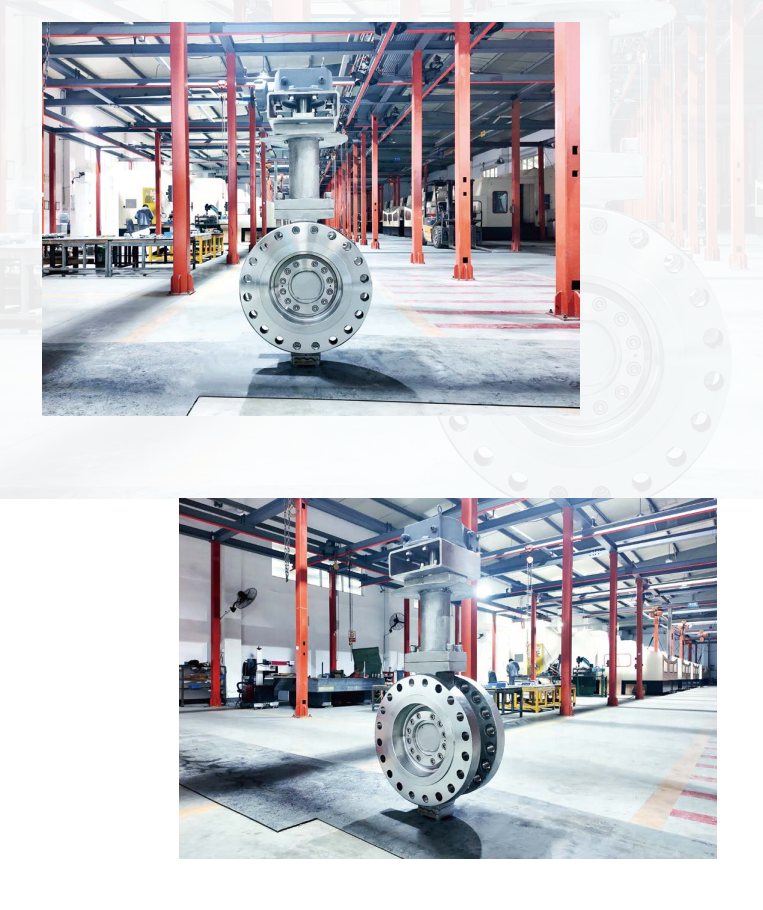
5. Pressure and Leakage Testing
Testing is one of the most important factory processes.
Shell Pressure Testing
Shell testing verifies the pressure integrity of the pressure-containing parts.
Seat Leakage Testing
Seat testing evaluates shut-off performance.
Functional Testing
The valve should be opened and closed to verify smooth operation.
Dimensional Inspection
Critical dimensions should be checked against approved drawings.
Visual Inspection
Final valves may be checked for:
- Coating
- Surface condition
- Marking
- Damage
- Cleanliness
- Packaging
The exact test requirements should be defined according to the applicable specification and standard.
6. Butterfly Valve Designs Manufactured in the Factory
A capable factory may produce multiple butterfly valve designs.
Concentric Butterfly Valves
Common applications include:
- Water treatment
- Wastewater
- HVAC
- Cooling water
- Irrigation
- Utility systems
Double Offset Butterfly Valves
Double offset designs can reduce contact between the disc and seat during operation.
They may be selected for more demanding applications where reduced friction and seat wear are beneficial.
Triple Offset Butterfly Valves
Triple offset designs use specialized sealing geometry and are often considered for:
- Steam
- High-temperature applications
- Hydrocarbons
- Metal-seated service
- Industrial processes
The appropriate design depends on pressure, temperature, fluid, and operating requirements.
7. Pressure Ratings and Connection Options
A professional butterfly valve manufacturing factory may produce valves for different pressure classes.
Common ratings include:
- PN10
- PN16
- PN25
- Class 150
However, buyers should also verify the pressure-temperature limitations.
Common Connections
Factories may produce:
- Wafer butterfly valves
- Lug butterfly valves
- Flanged butterfly valves
- Double flanged butterfly valves
- Grooved butterfly valves
For replacement projects, check:
- Face-to-face dimensions
- Flange drilling
- Bolt-hole pattern
- Overall dimensions
- Actuator mounting dimensions
Dimensional compatibility can be just as important as pressure rating.
8. Manual and Automated Valve Production
A modern factory may manufacture both manual and actuated butterfly valves.
Manual Valves
Common operating methods include:
- Lever
- Gearbox
- Chain wheel
Electric Actuated Valves
Electric actuators can provide:
- Remote operation
- Automated isolation
- PLC integration
- Position feedback
- Modulating control
Pneumatic Actuated Valves
Pneumatic actuators are widely used for industrial automation.
They can be configured as:
- Double acting
- Spring return
Hydraulic Actuated Valves
Hydraulic systems can provide high operating force for demanding applications.
A factory that can assemble complete valve-and-actuator packages can simplify procurement.
9. Actuator Torque Verification
Actuator sizing should be based on actual valve operating torque.
Torque can depend on:
- Valve size
- Seat material
- Differential pressure
- Disc geometry
- Fluid
- Temperature
- Operating frequency
A professional manufacturer should verify the required torque before recommending an actuator.
Fail-Safe Functions
Depending on the process, the valve may need to:
- Fail open
- Fail closed
- Remain in position
These requirements should be clearly specified before assembly.
Factory Capacity and Production Management
Factory capacity is particularly important for large orders and long-term supply agreements.
Evaluate:
- Machining capacity
- Assembly capacity
- Testing capacity
- Raw material inventory
- Production scheduling
- Workforce
- Warehouse space
- Quality-control resources
Can the Factory Maintain Repeat-Order Quality?
This is an important question.
A good factory should maintain the same approved:
- Materials
- Dimensions
- Seat specifications
- Component interfaces
- Markings
- Performance requirements
Engineering changes should be controlled and communicated to customers.
OEM and ODM Services from a Butterfly Valve Factory
A factory may support customers beyond standard catalog products.
OEM Manufacturing
OEM services may include:
- Customer logo
- Nameplate
- Model number
- Packaging
- Custom specifications
- Special materials
- Private documentation
ODM Development
ODM can involve:
- Product design
- Engineering
- Prototyping
- Testing
- Design optimization
- Mass production
This can be valuable for distributors and brands that want to develop their own butterfly valve products.
Factory Inspection Before Ordering
For major purchases, visiting or auditing the manufacturing factory can provide valuable information.
What Should You Check?
During a factory audit, look at:
- Production equipment
- Raw material storage
- Machining areas
- Assembly lines
- Testing equipment
- Inspection instruments
- Finished-product warehouse
- Packaging area
- Quality-control records
Ask to see actual production and testing rather than relying only on photographs.
Useful Questions
You can ask:
- Which processes are performed internally?
- Which processes are outsourced?
- How are materials inspected?
- How are critical dimensions controlled?
- How are valves pressure tested?
- How are leakage tests recorded?
- How are engineering changes controlled?
- What’s the monthly production capacity?
- Can the factory support OEM/ODM products?
- How are customer drawings protected?
Butterfly Valve Manufacturing Factory for EPC Projects
EPC contractors often require detailed documentation.
A factory may need to provide:
- Valve datasheets
- General arrangement drawings
- Material certificates
- Inspection plans
- Pressure-test reports
- Leakage-test reports
- Actuator documents
- Certificates
- Operation manuals
- Spare-parts information
A typical workflow is:
RFQ → Technical Review → Quotation → Clarification → Purchase Order → Drawing Approval → Manufacturing → Inspection → Testing → Documentation → Shipment
Clear technical communication helps reduce the risk of production errors and delays.
Butterfly Valve Factory for Distributors and Brands
Distributors often need stable long-term supply.
A manufacturing factory may provide:
- Private-label products
- Custom packaging
- Product catalogs
- Datasheets
- Technical drawings
- Dedicated model numbers
- Repeat production
- Inventory support
For a distributor, consistent production is crucial because customers expect replacement valves to remain interchangeable with previous products.
How to Choose a Butterfly Valve Manufacturing Factory
Use a structured evaluation rather than selecting the lowest quotation.
| Evaluation Factor | What to Verify |
|---|---|
| Factory ownership | Is it an actual production facility? |
| Equipment | Is appropriate machinery available? |
| Engineering | Can it handle customized designs? |
| Materials | Are materials controlled and traceable? |
| Machining | Are critical dimensions inspected? |
| Assembly | Are procedures standardized? |
| Testing | Are pressure and leakage tests available? |
| Quality | Is inspection documented? |
| Capacity | Can it handle your order volume? |
| OEM/ODM | Can it develop customized products? |
| Actuation | Can it supply complete assemblies? |
| Documentation | Can it provide project documents? |
| Delivery | Is production scheduling reliable? |
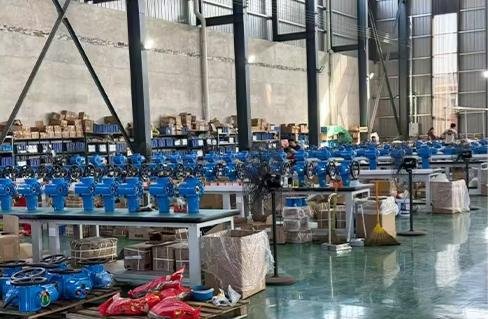
Common Mistakes When Choosing a Factory
Choosing Based Only on Factory Size
A very large factory isn’t automatically the best fit. Technical capability and quality control matter more than building size alone.
Accepting Factory Photos as Proof
Photos don’t necessarily show current production capabilities.
Ignoring Outsourced Processes
Find out which processes are performed internally and which are subcontracted.
Choosing the Lowest Price
Material, testing, machining, and quality-control differences can explain price variations.
Skipping Factory Audits for Major Orders
For strategic suppliers, an audit can reveal valuable information.
Not Defining Product Specifications
Specifications should be finalized before mass production.
Ignoring Change Control
Unapproved changes to materials or components can affect future batches.
Butterfly Valve Manufacturing Factory Checklist
Before approving a factory, confirm:
- Actual manufacturing facility
- Production equipment
- CNC machining capability
- Assembly facilities
- Pressure testing equipment
- Leakage testing capability
- Quality-control procedures
- Material traceability
- Engineering capability
- OEM/ODM capability
- Actuator integration
- Production capacity
- Warehouse facilities
- Export packaging
- Technical documentation
- Factory audit
- Sample approval
- Testing requirements
- Delivery schedule
- Change-control procedure
Frequently Asked Questions
What is a butterfly valve manufacturing factory?
It’s a production facility that manufactures, assembles, tests, and inspects butterfly valves. Depending on its capabilities, it may also provide engineering, OEM, ODM, actuation, and export services.
What equipment should a butterfly valve factory have?
Depending on its production model, equipment may include CNC machining centers, CNC lathes, drilling machines, assembly stations, pressure-test equipment, leakage-test equipment, and dimensional inspection instruments.
What materials can a butterfly valve factory manufacture?
Common materials include cast iron, ductile iron, carbon steel, stainless steel, and aluminum bronze. Different materials may be selected for bodies, discs, shafts, and other components.
How does a factory test butterfly valves?
Typical testing can include shell pressure testing, seat leakage testing, functional testing, dimensional inspection, and final visual inspection. Exact requirements depend on the applicable specification.
Can a butterfly valve factory provide OEM products?
Yes. OEM services may include customer branding, nameplates, model numbers, packaging, custom specifications, and private documentation.
Can a factory provide ODM development?
Some factories have engineering teams capable of developing customized butterfly valves, prototypes, testing procedures, and production designs.
How can I verify whether a factory is genuine?
Request information about its production equipment, machining facilities, assembly areas, testing equipment, quality procedures, and production capacity. A factory audit or third-party inspection provides additional verification.
Why is CNC machining important for butterfly valves?
CNC machining can provide consistent control of critical dimensions on components such as valve bodies, discs, shafts, bearing surfaces, and actuator mounting areas.
Can a butterfly valve factory supply actuators?
Many factories can assemble butterfly valves with electric, pneumatic, or hydraulic actuators and provide related accessories.
What should I check during a factory audit?
Check raw material storage, machining equipment, assembly processes, testing facilities, inspection records, finished-product storage, quality documentation, and production capacity.
Conclusion
A reliable butterfly valve manufacturing factory should provide much more than a production line and a product catalog.
Buyers should evaluate its engineering capabilities, raw material control, machining accuracy, assembly procedures, pressure and leakage testing, quality management, production capacity, OEM/ODM services, and documentation capabilities.
For distributors and industrial brands, factory-direct manufacturing can provide better opportunities for customization and private labeling. For EPC contractors, strong engineering support, inspection, testing, certification, and documentation can make the procurement process much smoother.
Before choosing a factory, verify the actual production facilities and clearly define the valve’s size, pressure rating, fluid, temperature, materials, seat, connection, dimensions, actuation, testing, documentation, and delivery requirements.
The strongest factory relationship is built on more than competitive pricing. It depends on consistent quality, transparent manufacturing processes, reliable testing, controlled engineering changes, and dependable long-term production capacity.