
What Is a Double Offset Butterfly Valve?
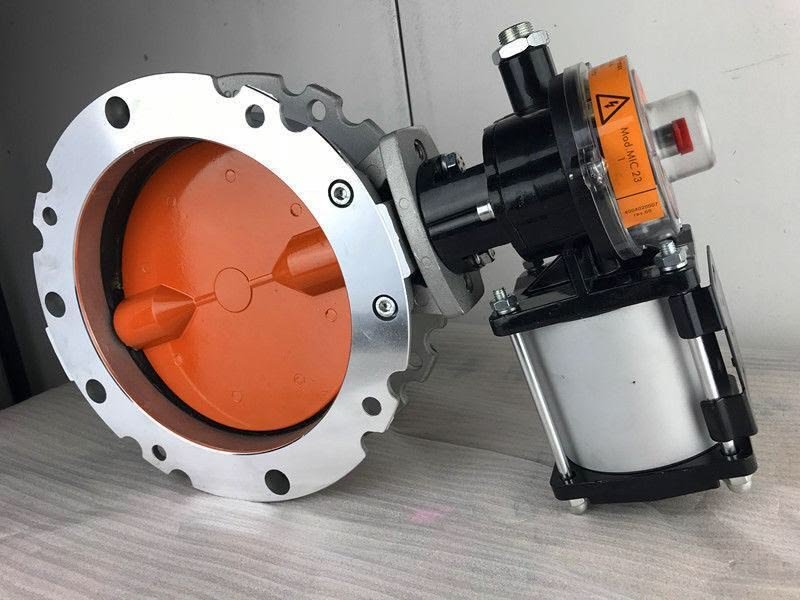
A double offset butterfly valve is a high-performance butterfly valve designed to provide improved sealing, reduced seat wear, and longer service life compared to traditional concentric butterfly valves. The term “double offset” refers to two specific design offsets incorporated into the valve shaft and disc arrangement.
This advanced design minimizes friction between the disc and seat during operation, allowing the valve to perform efficiently in higher-pressure and higher-temperature environments.
Double offset butterfly valves are widely used in:
- Water treatment plants
- Oil and gas facilities
- Chemical processing plants
- Power generation systems
- Marine applications
- Industrial utility pipelines
Because of their enhanced sealing performance and durability, they have become a preferred solution for demanding industrial applications.
How Does a Double Offset Butterfly Valve Work?
Unlike a concentric butterfly valve, where the disc remains in constant contact with the seat during operation, a double offset butterfly valve uses two shaft offsets to reduce friction.
First Offset
The shaft is positioned behind the centerline of the valve disc.
Second Offset
The shaft is offset from the centerline of the pipeline.
Together, these offsets create a cam-like movement that allows the disc to disengage from the seat immediately when opening and only contact the seat during the final stage of closing.
This design provides:
- Reduced seat wear
- Lower operating torque
- Improved sealing efficiency
- Extended service life
Key Components of a Double Offset Butterfly Valve
Valve Body
Available in:
- Wafer type
- Lug type
- Flanged type
Disc
The disc controls fluid flow and is engineered to minimize turbulence and pressure loss.
Stem
The stem transfers rotational force from the actuator to the disc.
Seat
Common seat materials include:
- EPDM
- PTFE
- RPTFE
- Metal seats
Actuator
Operation methods include:
- Lever
- Worm gear
- Pneumatic actuator
- Electric actuator
Advantages of Double Offset Butterfly Valve
Reduced Seat Wear
Because the disc only contacts the seat during final closure, friction is significantly reduced.
This leads to:
- Longer seat life
- Lower maintenance requirements
- Improved reliability
Higher Pressure Capability
Double offset butterfly valves are suitable for:
- PN16
- PN25
- PN40
- ANSI Class 150
- ANSI Class 300
applications depending on design specifications.
Lower Operating Torque
The offset design reduces resistance during operation, making automation easier and more efficient.
Improved Sealing Performance
The valve provides tighter shutoff compared with standard concentric butterfly valves.
Extended Service Life
Reduced mechanical wear contributes to longer operational lifespan.
Double Offset Butterfly Valve vs Concentric Butterfly Valve
| Feature | Double Offset Butterfly Valve | Concentric Butterfly Valve |
|---|---|---|
| Disc Design | Offset | Centered |
| Seat Wear | Low | Higher |
| Pressure Capability | Higher | Moderate |
| Operating Torque | Lower | Higher |
| Service Life | Longer | Standard |
| Cost | Higher Initial Cost | Lower Initial Cost |
For critical industrial applications, double offset designs often provide better long-term value.
Common Materials Used
Ductile Iron
Benefits:
- Strong mechanical properties
- Cost-effective
- Suitable for water applications
Stainless Steel
Advantages:
- Excellent corrosion resistance
- Long service life
- Suitable for aggressive media
Applications:
- Chemical processing
- Marine environments
- Food industries
Carbon Steel
Characteristics:
- High strength
- Pressure resistance
- Industrial durability
Applications:
- Oil and gas
- Power generation
- Heavy industry
Duplex Stainless Steel
Provides:
- Superior corrosion resistance
- Enhanced mechanical strength
- Excellent performance in offshore environments
Applications of Double Offset Butterfly Valve
Water Treatment Systems
Double offset butterfly valves are widely installed in:
- Municipal water treatment plants
- Wastewater treatment facilities
- Filtration systems
- Pump stations
Their durability and sealing performance help ensure reliable operation.
Oil and Gas Industry
Used in:
- Pipeline transportation
- Refineries
- Storage facilities
- Offshore platforms
The valve’s pressure-handling capability makes it suitable for demanding energy applications.
Chemical Processing Plants
Ideal for:
- Corrosive fluids
- Industrial chemicals
- Process control systems
Power Generation Facilities
Installed in:
- Cooling water systems
- Utility pipelines
- Steam-related applications
Marine Industry
Suitable for:
- Ballast systems
- Cooling water circuits
- Shipboard piping systems
Types of Double Offset Butterfly Valve
Wafer Double Offset Butterfly Valve
Features:
- Compact design
- Lightweight construction
- Cost-effective installation
Lug Double Offset Butterfly Valve
Advantages:
- Easier maintenance
- Independent pipeline isolation
- Flexible installation
Flanged Double Offset Butterfly Valve
Benefits:
- Strong structural support
- Stable installation
- Suitable for large-diameter pipelines
How to Choose the Right Double Offset Butterfly Valve
Evaluate Pressure Requirements
Select a valve that matches system pressure ratings.
Consider Temperature Conditions
Seat and body materials should withstand operating temperatures.
Assess Media Compatibility
Consider:
- Corrosion potential
- Fluid composition
- Process conditions
Select Proper Actuation
Available options:
- Manual gearbox
- Pneumatic actuator
- Electric actuator
Automated systems improve process efficiency and control accuracy.
Manufacturing and Quality Standards
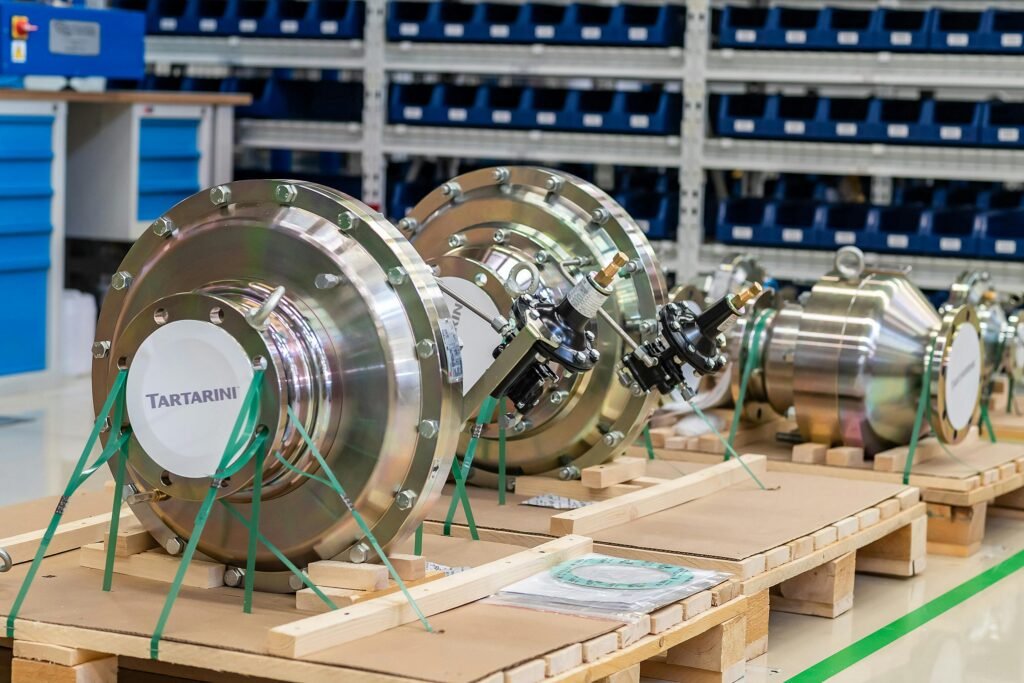
Reliable manufacturers implement strict testing procedures.
Common Tests
- Hydrostatic pressure testing
- Seat leakage testing
- Torque testing
- Operational cycle testing
Industry Certifications
Look for compliance with:
- ISO 9001
- CE Certification
- API Standards
Industry references:
For industrial butterfly valve solutions, visit:
https://hongonvalve.com/
Frequently Asked Questions
What is a double offset butterfly valve?
A double offset butterfly valve is a high-performance butterfly valve that uses two shaft offsets to reduce seat wear and improve sealing performance.
What are the advantages of a double offset butterfly valve?
Reduced friction, lower operating torque, improved sealing, and longer service life.
Where are double offset butterfly valves commonly used?
Water treatment, oil and gas, chemical processing, power generation, and marine industries.
Can a double offset butterfly valve handle high pressure?
Yes. Many designs are suitable for medium- and high-pressure industrial applications.
What materials are available?
Ductile iron, stainless steel, carbon steel, and duplex stainless steel.
Is a double offset butterfly valve better than a concentric butterfly valve?
For demanding applications requiring enhanced sealing and durability, a double offset design is often the better choice.
Conclusion
A double offset butterfly valve offers a significant performance upgrade over traditional concentric butterfly valves. Its innovative offset design reduces seat wear, lowers operating torque, and improves sealing performance, making it ideal for industrial systems that require reliability and long service life.
From water treatment facilities and chemical plants to oil and gas pipelines and power stations, double offset butterfly valves provide dependable flow control while helping reduce maintenance costs and improve operational efficiency.