
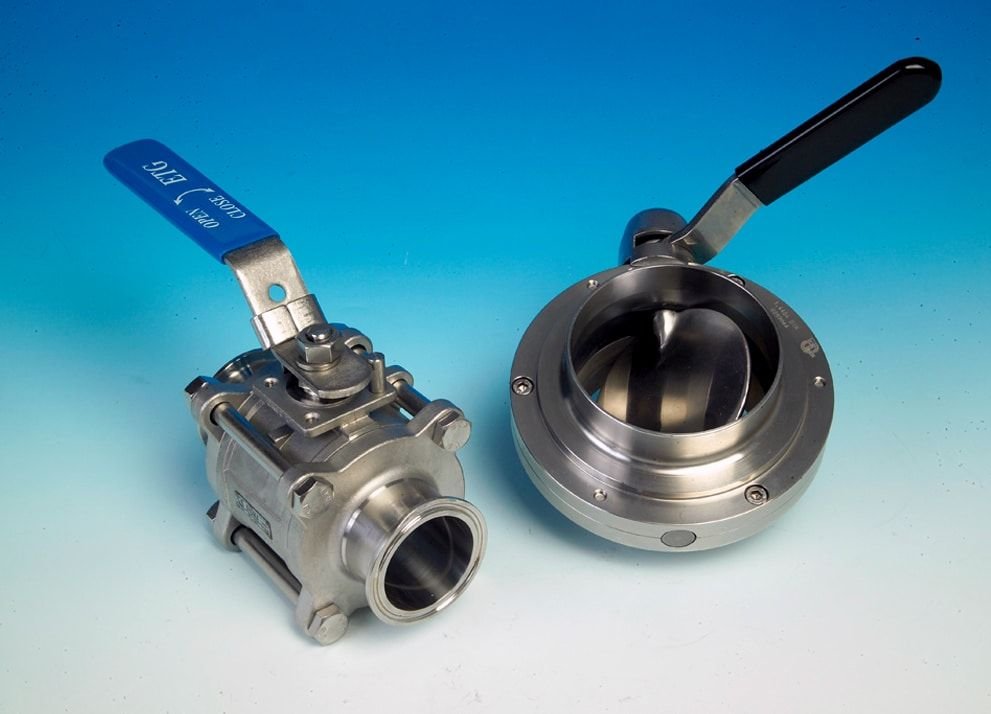
What Is a Double Offset Butterfly Valve?
A double offset butterfly valve is a high-performance quarter-turn valve engineered for applications requiring improved sealing, reduced operating torque, and longer service life. Unlike concentric butterfly valves, the stem of a double offset butterfly valve is positioned with two offsets from the valve centerline. This geometry minimizes contact between the disc and the seat during opening and closing, significantly reducing friction and wear.
Because of its superior performance, the double offset butterfly valve is widely used in oil and gas, chemical processing, power generation, marine engineering, HVAC, and water treatment systems.
How Does a Double Offset Butterfly Valve Work?
A double offset butterfly valve uses two shaft offsets:
- First Offset: The shaft is positioned behind the centerline of the sealing surface.
- Second Offset: The shaft is offset from the centerline of the pipeline.
These two offsets allow the disc to lift away from the seat immediately after opening begins, minimizing rubbing and extending seat life.
- Open Position: The disc aligns with the flow to reduce pressure loss.
- Closed Position: The disc rotates into the seat to provide a secure seal.
The valve can be operated manually or with electric, pneumatic, or hydraulic actuators.
Key Advantages of Double Offset Butterfly Valves
A double offset butterfly valve offers several important advantages:
- Reduced disc-to-seat friction
- Longer seat service life
- Excellent sealing performance
- Lower operating torque
- Suitable for higher pressures and temperatures
- Compact and lightweight construction
- Easy automation
- Lower maintenance requirements
These features make double offset valves ideal for demanding industrial applications.
Key Components
A double offset butterfly valve typically includes:
- Valve body
- Offset disc
- Stem
- Precision seat
- Bearings and bushings
- Packing system
- ISO mounting pad
- Manual or automated actuator
Each component is designed to deliver reliable performance under challenging operating conditions.
Materials Used
Material selection depends on pressure, temperature, and process media.
Body Materials
- Carbon Steel
- Stainless Steel
- Ductile Iron
- Cast Steel
Disc Materials
- Stainless Steel 304
- Stainless Steel 316
- Duplex Stainless Steel
- Aluminum Bronze
Seat Materials
| Material | Typical Application |
|---|---|
| PTFE | Chemical processing |
| Reinforced PTFE (RPTFE) | High-cycle applications |
| Viton | Elevated-temperature service |
| Metal Seat | High-temperature and severe service |
Pressure Ratings and Sizes
Double offset butterfly valves are available in a broad range of sizes and pressure classes.
Common Sizes
- DN50–DN2000+
- 2″–80″+
Common Pressure Ratings
- PN16
- PN25
- PN40
- ANSI Class 150
- ANSI Class 300
- ANSI Class 600 (selected models)
Always choose a valve that matches the system’s design pressure and operating conditions.
Industrial Applications
Oil and Gas
Used in:
- Pipeline transportation
- Refineries
- Offshore platforms
- Storage terminals
Chemical Processing
Suitable for:
- Corrosive media
- Process pipelines
- Utility services
Power Generation
Installed in:
- Steam systems
- Cooling water circuits
- Boiler auxiliary systems
Marine Engineering
Applications include:
- Ballast systems
- Cooling water systems
- Shipbuilding
HVAC Systems
Commonly used in:
- Chilled water systems
- District cooling
- Heating networks
Water Treatment
Installed in:
- Raw water pipelines
- Pump stations
- Municipal water distribution
Double Offset vs. Concentric Butterfly Valve
| Feature | Double Offset | Concentric |
| Shaft Design | Two offsets | Centered shaft |
| Seat Wear | Low | Higher |
| Operating Torque | Lower | Moderate |
| Pressure Capability | Higher | Standard |
| Temperature Capability | Higher | Moderate |
| Service Life | Longer | Standard |
Manual and Automated Operation
Double offset butterfly valves support multiple operating methods:
- Lever handle
- Worm gear operator
- Electric actuator
- Pneumatic actuator
- Hydraulic actuator
Automation enables remote monitoring, process control, and seamless integration with industrial automation systems.
How to Choose the Right Double Offset Butterfly Valve
When selecting a double offset butterfly valve, consider:
- Pipeline diameter
- Operating pressure
- Temperature range
- Media compatibility
- Body and seat materials
- Required leakage performance
- Manual or automated operation
- Applicable industry standards
Proper valve selection improves operational efficiency and extends equipment life.
Quality Standards and Certifications
Reliable double offset butterfly valves are manufactured according to internationally recognized standards, including:
- ISO 9001
- API 609
- API 598
- CE Certification
- EN 593
- ANSI / ASME
- DIN
- JIS
Compliance with these standards ensures quality, safety, and reliable long-term performance.

Frequently Asked Questions
What is a double offset butterfly valve?
A double offset butterfly valve is a high-performance butterfly valve with two shaft offsets that reduce friction between the disc and seat, improving sealing performance and extending service life.
What are the advantages of a double offset butterfly valve?
It offers reduced seat wear, lower operating torque, improved sealing, higher pressure capability, and longer service life.
Which industries use double offset butterfly valves?
They are widely used in oil and gas, chemical processing, power generation, marine engineering, HVAC, and water treatment.
Can double offset butterfly valves be automated?
Yes. They are compatible with electric, pneumatic, and hydraulic actuators.
What materials are commonly used?
Carbon steel, stainless steel, ductile iron, PTFE, reinforced PTFE, Viton, and metal seats are commonly available.
How does a double offset butterfly valve differ from a concentric butterfly valve?
The double offset design reduces disc-to-seat contact during operation, resulting in less wear, improved sealing, and better performance in higher-pressure and higher-temperature applications.
Conclusion
A double offset butterfly valve is an advanced flow control solution that combines reliable sealing, reduced friction, and extended service life. Its innovative double-offset design makes it ideal for demanding industrial applications where higher pressures, elevated temperatures, and frequent operation require superior valve performance.
Whether used in oil and gas, chemical processing, power generation, marine engineering, HVAC, or water treatment, selecting the right double offset butterfly valve helps improve system efficiency, reduce maintenance costs, and ensure dependable long-term operation.