
What Is a Triple Offset Butterfly Valve?
A triple offset butterfly valve is a high-performance quarter-turn valve engineered for severe service applications that demand zero leakage, high-pressure resistance, and exceptional durability. Unlike concentric or double offset butterfly valves, a triple offset butterfly valve incorporates three distinct geometric offsets that eliminate friction between the disc and seat during operation.
This innovative design provides a metal-to-metal seal, making triple offset butterfly valves ideal for high-temperature, high-pressure, and corrosive environments found in oil and gas, petrochemical, power generation, marine, and chemical processing industries.
How Does a Triple Offset Butterfly Valve Work?
The performance of a triple offset butterfly valve is based on three design offsets:
First Offset
The shaft is positioned behind the centerline of the sealing surface.
Second Offset
The shaft is offset from the centerline of the pipeline.
Third Offset
The sealing surface is machined into a conical angle, allowing the disc to contact the seat only at the final stage of closing.
This geometry eliminates rubbing during operation, significantly reducing wear and providing long-term sealing reliability.
- Open Position: The disc rotates completely away from the seat, minimizing flow resistance.
- Closed Position: The disc contacts the seat only at the final closing angle, creating a secure metal-to-metal seal.
Key Advantages of Triple Offset Butterfly Valves
A triple offset butterfly valve offers several important benefits:
- Zero leakage performance
- Metal-to-metal sealing
- Minimal seat wear
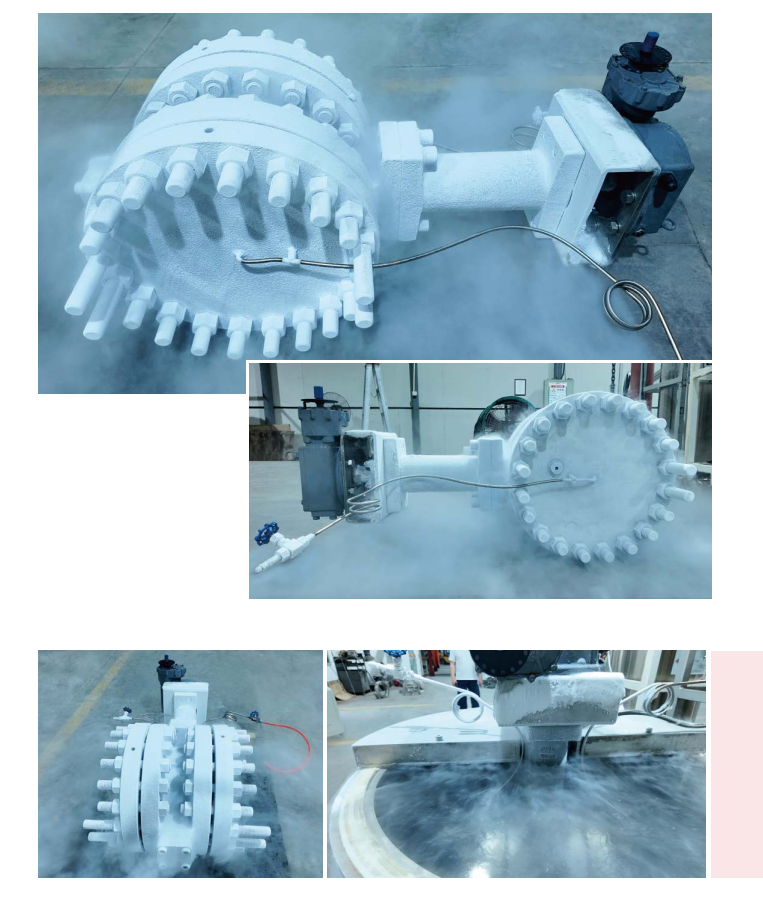
- Excellent high-temperature resistance
- Suitable for high-pressure applications
- Low operating torque
- Long service life
- Reduced maintenance requirements
- Reliable bidirectional sealing
- Excellent performance in severe service conditions
These advantages make triple offset butterfly valves one of the most reliable industrial valve solutions available.
Key Components
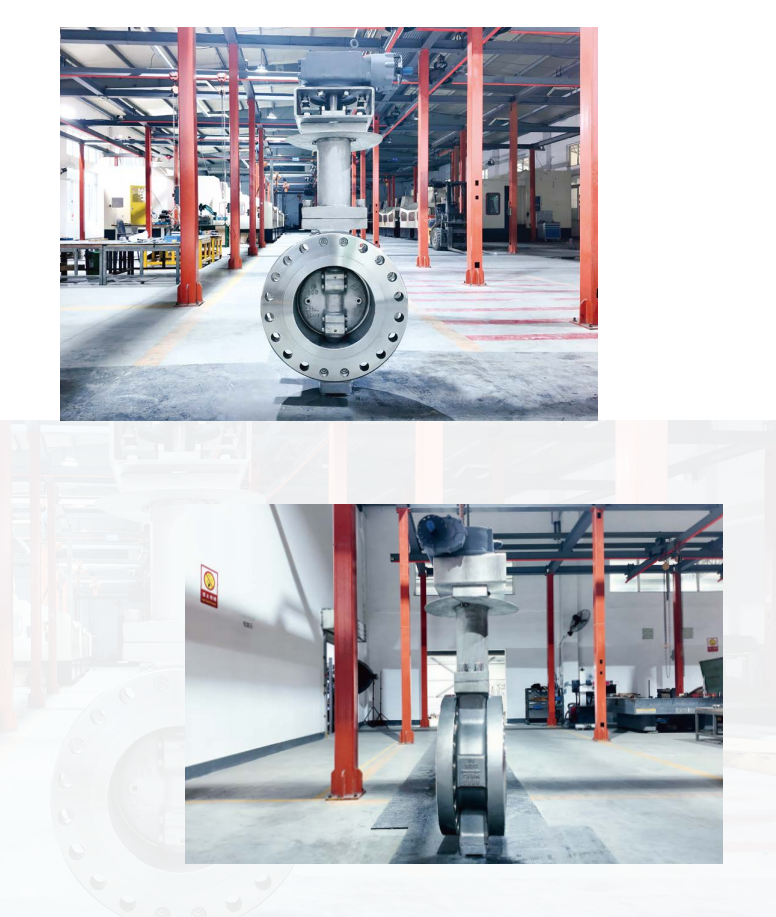
A triple offset butterfly valve typically includes:
- Valve body
- Triple-offset disc
- Valve stem
- Metal seat
- Bearings and bushings
- Packing system
- ISO mounting flange
- Manual or automated actuator
Each component is precisely engineered to ensure dependable performance under demanding operating conditions.
Materials Used
Material selection depends on operating pressure, temperature, and process media.
Body Materials
- Carbon Steel
- Stainless Steel
- Cast Steel
- Duplex Stainless Steel
Disc Materials
- Stainless Steel 304
- Stainless Steel 316
- Duplex Stainless Steel
- Alloy Steel
Seat Materials
| Material | Typical Application |
|---|---|
| Stainless Steel | General industrial service |
| Stellite Overlay | High-temperature applications |
| Inconel | Corrosive and high-temperature media |
| Metal Laminated Seat | Zero-leakage severe service |
Pressure Ratings and Sizes
Triple offset butterfly valves are manufactured in a wide range of sizes and pressure classes.
Common Sizes
- DN50–DN2000+
- 2″–80″+
Common Pressure Ratings
- PN16
- PN25
- PN40
- ANSI Class 150
- ANSI Class 300
- ANSI Class 600
- ANSI Class 900 (selected models)
Always select the valve based on the design pressure and operating conditions of the system.
Industrial Applications
Oil and Gas
Used in:
- Pipeline transmission
- Refineries
- Offshore platforms
- LNG terminals
Chemical Processing
Suitable for:
- Corrosive chemicals
- High-temperature processes
- Utility pipelines
Power Generation
Installed in:
- Steam systems
- Boiler isolation
- Cooling water systems
Petrochemical Industry
Applications include:
- Process units
- Hydrocarbon pipelines
- Utility systems
Marine Engineering
Commonly used in:
- Ballast systems
- Cooling water circuits
- Offshore vessels
Industrial Processing
Suitable for:
- High-temperature manufacturing
- Process control systems
- Severe service pipelines
Triple Offset vs. Double Offset Butterfly Valve
| Feature | Triple Offset | Double Offset |
| Sealing Type | Metal-to-metal | Soft or PTFE seat |
| Leakage Performance | Zero leakage | Excellent sealing |
| Temperature Capability | Very high | High |
| Pressure Capability | Higher | High |
| Seat Wear | Extremely low | Low |
| Severe Service | Excellent | Good |
Manual and Automated Operation
Triple offset butterfly valves support various operating methods:
- Worm gear operator
- Electric actuator
- Pneumatic actuator
- Hydraulic actuator
Automated operation improves process control, remote monitoring, and system efficiency in critical industrial applications.
How to Choose the Right Triple Offset Butterfly Valve
When selecting a triple offset butterfly valve, evaluate:
- Pipeline diameter
- Operating pressure
- Temperature range
- Media characteristics
- Body and seat materials
- Leakage requirements
- Manual or automated operation
- Applicable industry standards
Proper valve selection ensures reliable operation, extended service life, and reduced maintenance.
Quality Standards and Certifications
Reliable triple offset butterfly valves are manufactured according to internationally recognized standards, including:
- ISO 9001
- API 609
- API 598
- CE Certification
- EN 593
- ANSI / ASME
- DIN
- JIS
Compliance with these standards helps ensure product quality, safety, and dependable long-term performance.
Frequently Asked Questions
What is a triple offset butterfly valve?
A triple offset butterfly valve is a high-performance butterfly valve with three geometric offsets that create a friction-free, metal-to-metal sealing mechanism for zero-leakage performance.
What are the advantages of a triple offset butterfly valve?
It offers zero leakage, excellent high-temperature resistance, minimal seat wear, long service life, and reliable performance in severe service applications.
Which industries use triple offset butterfly valves?
Oil and gas, petrochemical, chemical processing, power generation, marine engineering, LNG, and other heavy industrial sectors.
Can triple offset butterfly valves be automated?
Yes. They are compatible with electric, pneumatic, and hydraulic actuators for automated flow control.
What materials are commonly used?
Carbon steel, stainless steel, duplex stainless steel, alloy steel, Stellite, Inconel, and laminated metal seats.
How does a triple offset butterfly valve differ from a double offset butterfly valve?
A triple offset butterfly valve uses a conical metal-to-metal sealing design that eliminates friction and provides zero-leakage performance, while a double offset butterfly valve typically uses a soft or PTFE seat for high-performance sealing.
Conclusion
A triple offset butterfly valve is the preferred choice for industries that require zero leakage, superior durability, and reliable performance under high-pressure and high-temperature conditions. Its advanced triple-offset geometry and metal-to-metal sealing design provide exceptional reliability, reduced maintenance, and an extended service life.
Whether installed in oil and gas pipelines, chemical processing plants, LNG facilities, power stations, or marine systems, a properly selected triple offset butterfly valve helps improve operational efficiency, enhance safety, and deliver long-term value in the most demanding industrial environments.